
10 Years of the Day Units for Child and Adolescent Psychiatry at Children's Hospital
Ten years ago, the Queen Fabiola University Children’s Hospital opened two day units for child and adolescent psychiatry with a clear ambition: to intervene early, at a decisive stage in a child’s development, and to design care in close partnership with parents. Ten years on, the Parent–Baby Unit and the A.P.P.I. Unit have established themselves as reference services in early child psychiatry, grounded in time, relationships and partnership with families.
Early intervention from the very first bonds
In January 2026, the day units for child and adolescent psychiatry at the Queen Fabiola University Children’s Hospital (HUDERF) celebrate their tenth anniversary. Over the past decade, the Parent–Baby Unit (UPBB) and the A.P.P.I. Unit (Autism – Early Individualised Intervention) have helped anchor an approach to early child and adolescent psychiatry that pays close attention to early interactions and developmental trajectories in young children.
Both units were established under the leadership of Professor Véronique Delvenne, Head of the Department of Psychiatry for Infants, Children, Adolescents and Young Adults, with a clear ambition: to intervene at a decisive stage of psychological development, when early support can have a lasting impact on life trajectories.
Thinking beyond the symptom
“From the outset, the aim was not to organise care solely around symptoms, but around the bond, the relationship and the family context,” explains Professor Véronique Delvenne. This guiding principle continues to underpin the teams’ clinical work today.
Caring for both child and parent
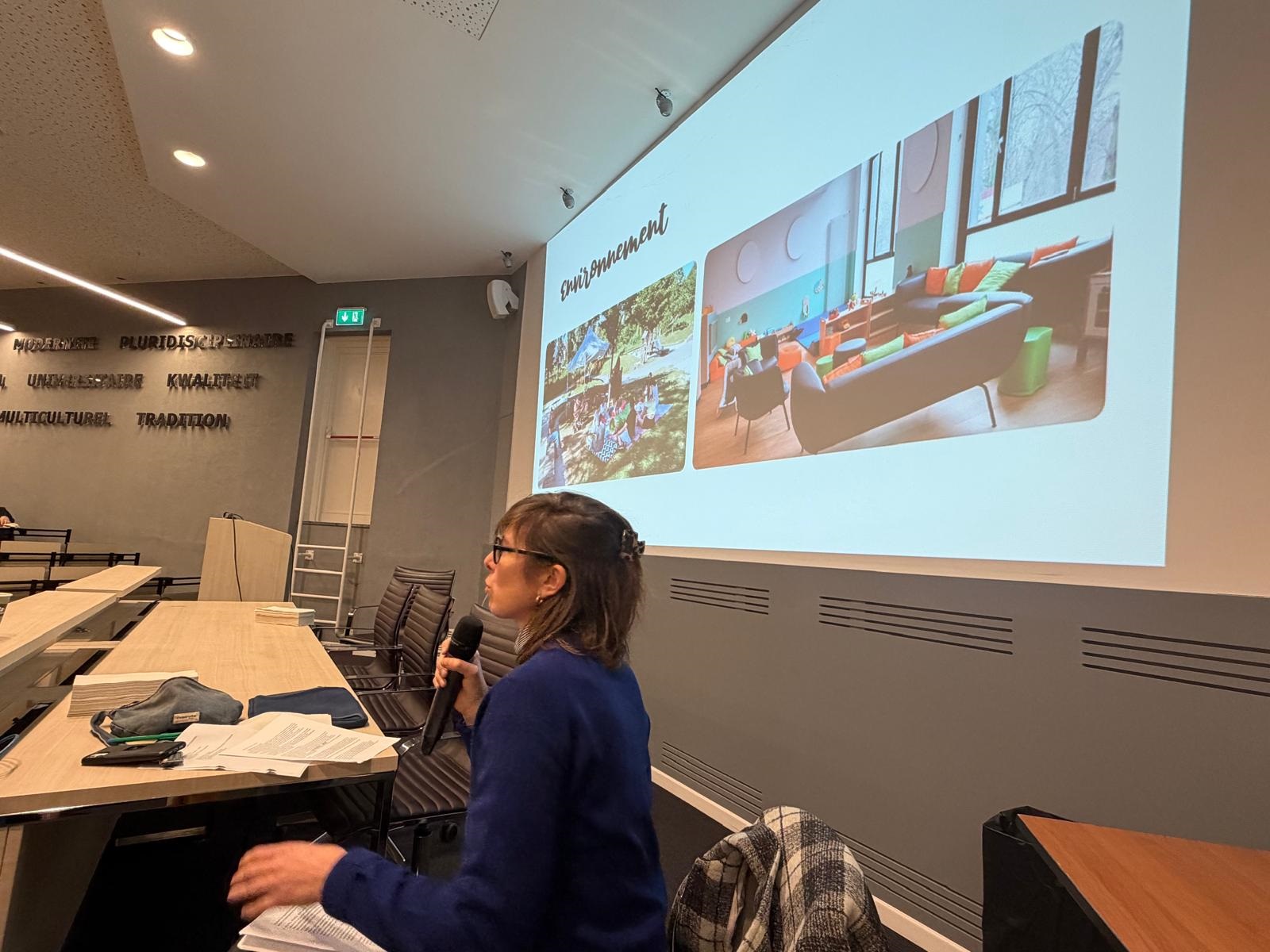
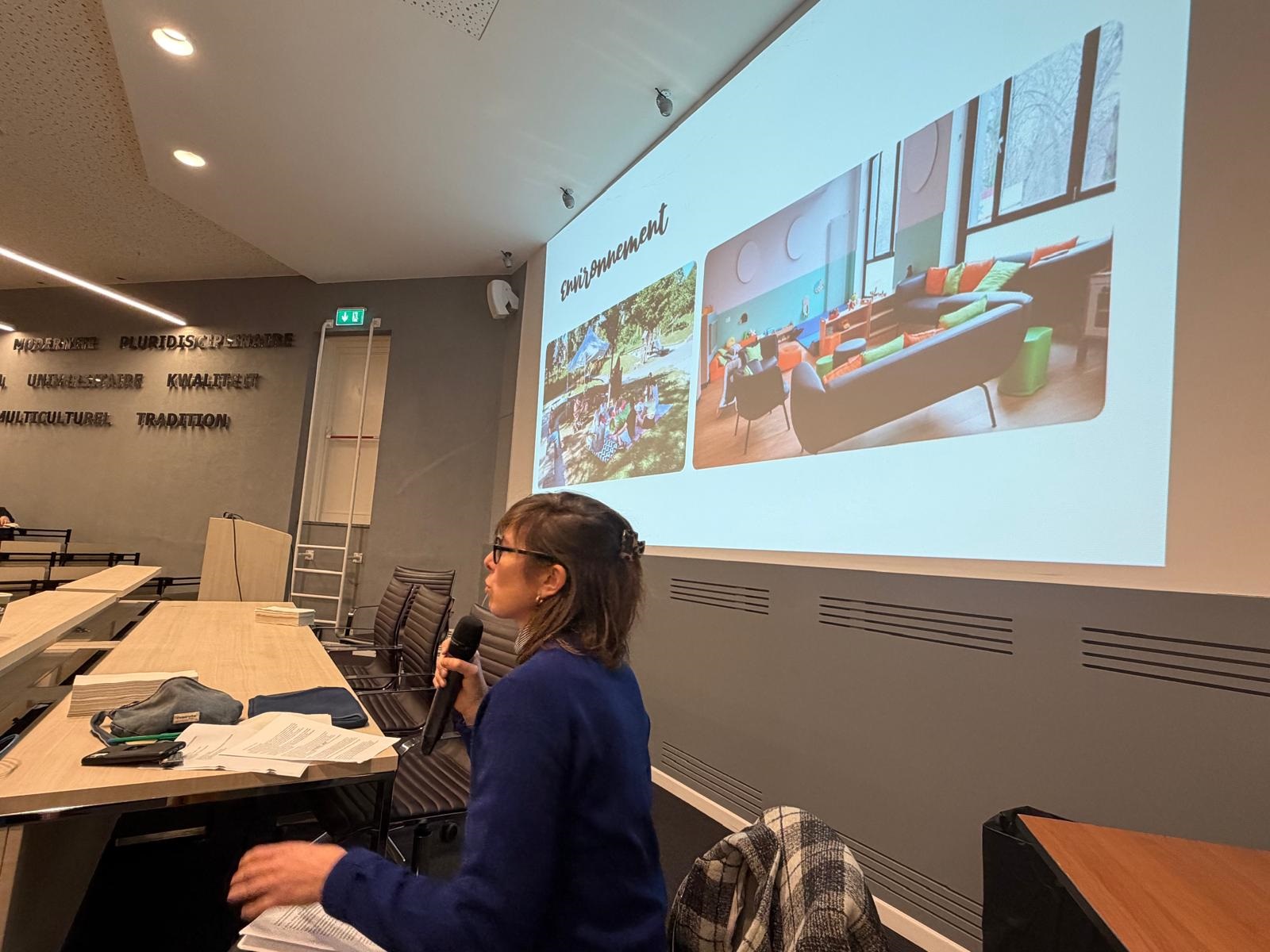
Within the Parent–Baby Unit, babies and young children are welcomed together with their parents on a part-time basis, until entry into nursery school. The model is built on a fundamental principle: one cannot care for the child without also supporting the parent. Care therefore addresses both the child and their parental figures, within a structured framework marked by regular routines and reassuring rituals.
“Creating opportunities for shared pleasure between parent and child is not incidental: it is often there that the bond can be repaired or strengthened,” says Audrey Moureau, child and adolescent psychiatrist at the UPBB.
Tailored support
The A.P.P.I. Unit, dedicated to autism, follows the same logic of early intervention, taking into account the child within their broader environment. Jessica Sztalberg, child and adolescent psychiatrist and long involved in the development of the unit, contributes to an approach that combines individualised care with coordination between professionals and sustained support for families.
A practice informed by research
Over the years, clinical practices have continued to evolve, supported by ongoing training and by research projects, notably within the UPBB. This work highlights the value of an integrated approach that considers parental mental health alongside the child’s development.
Looking ahead
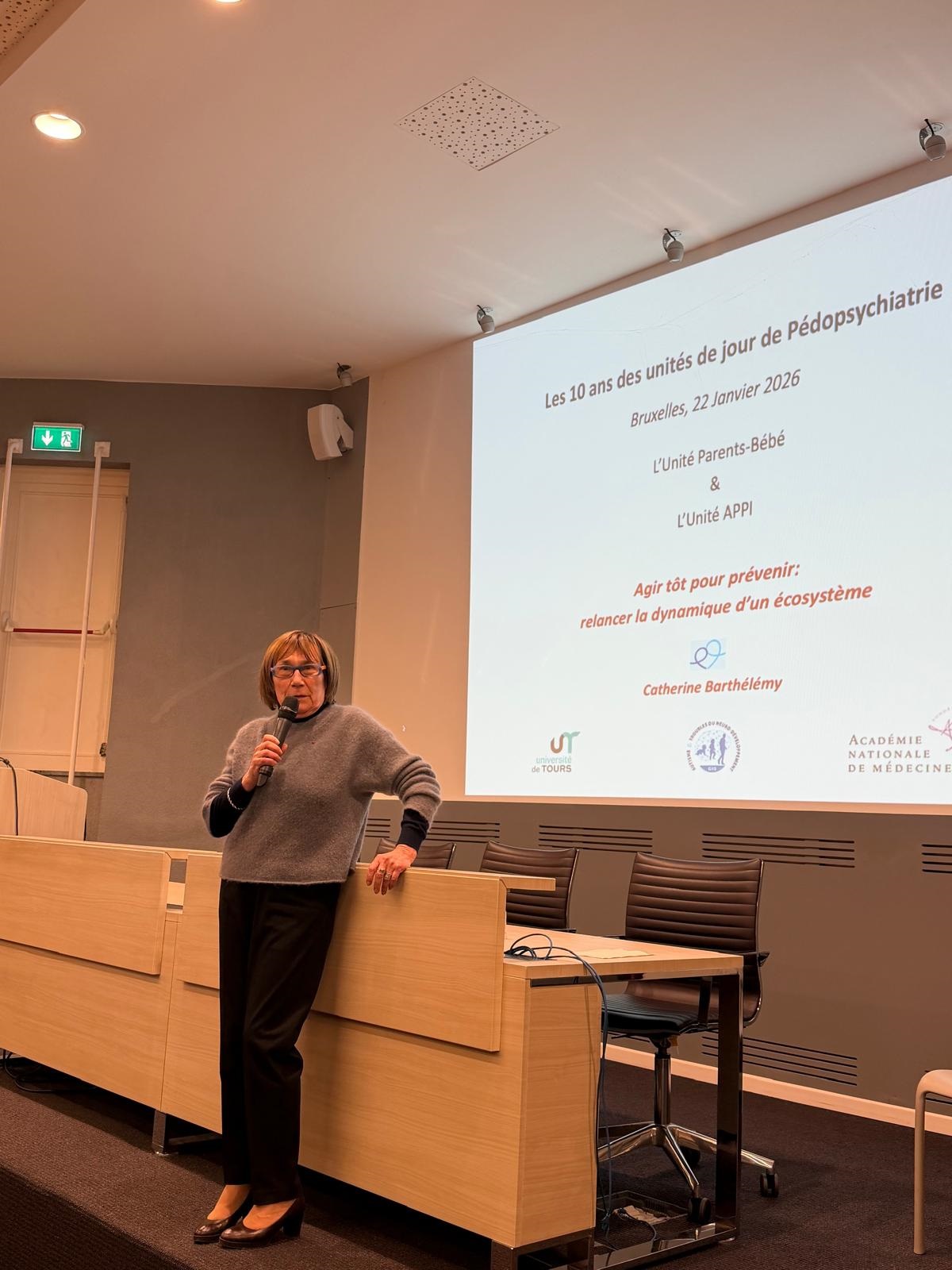
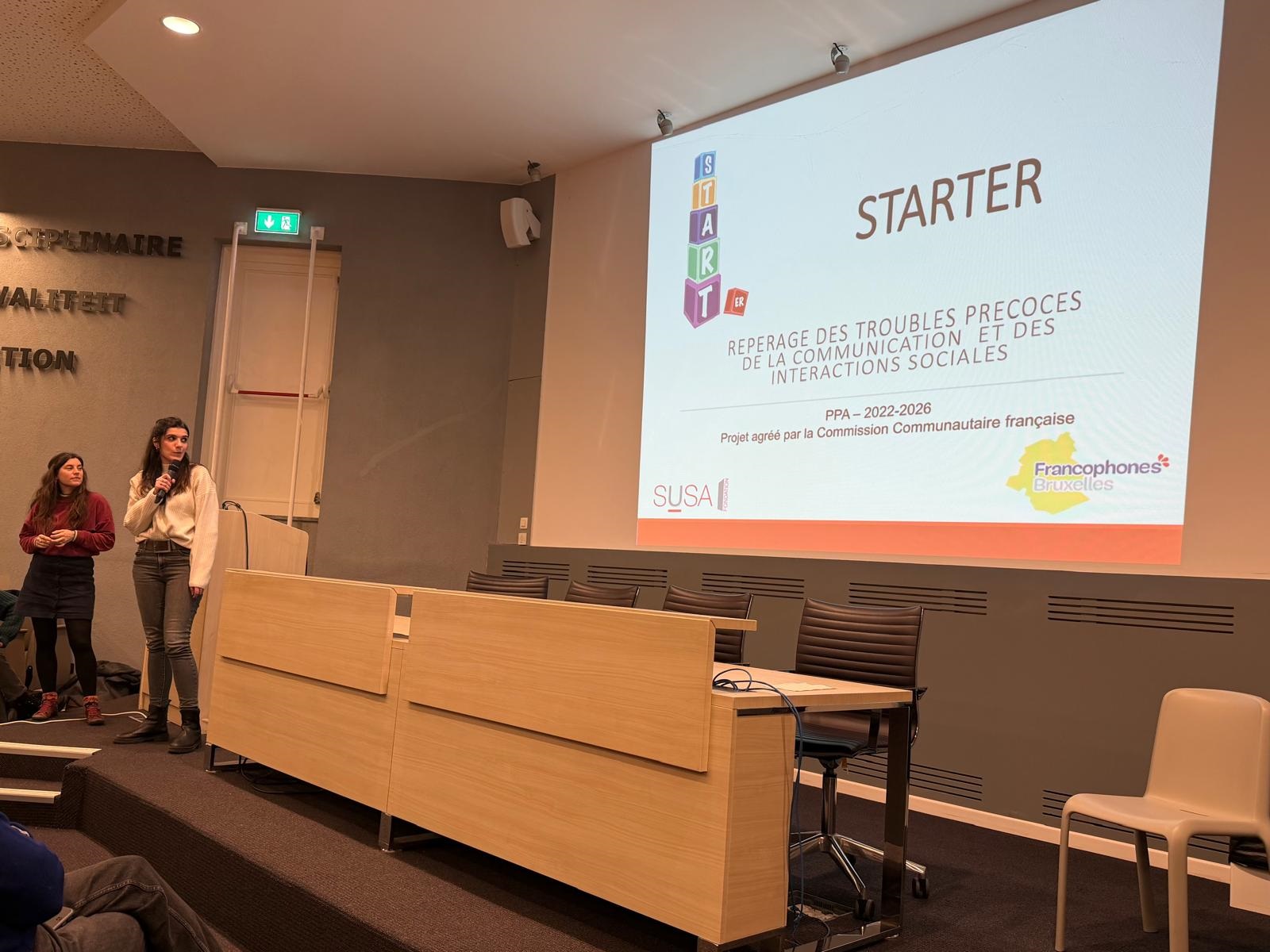
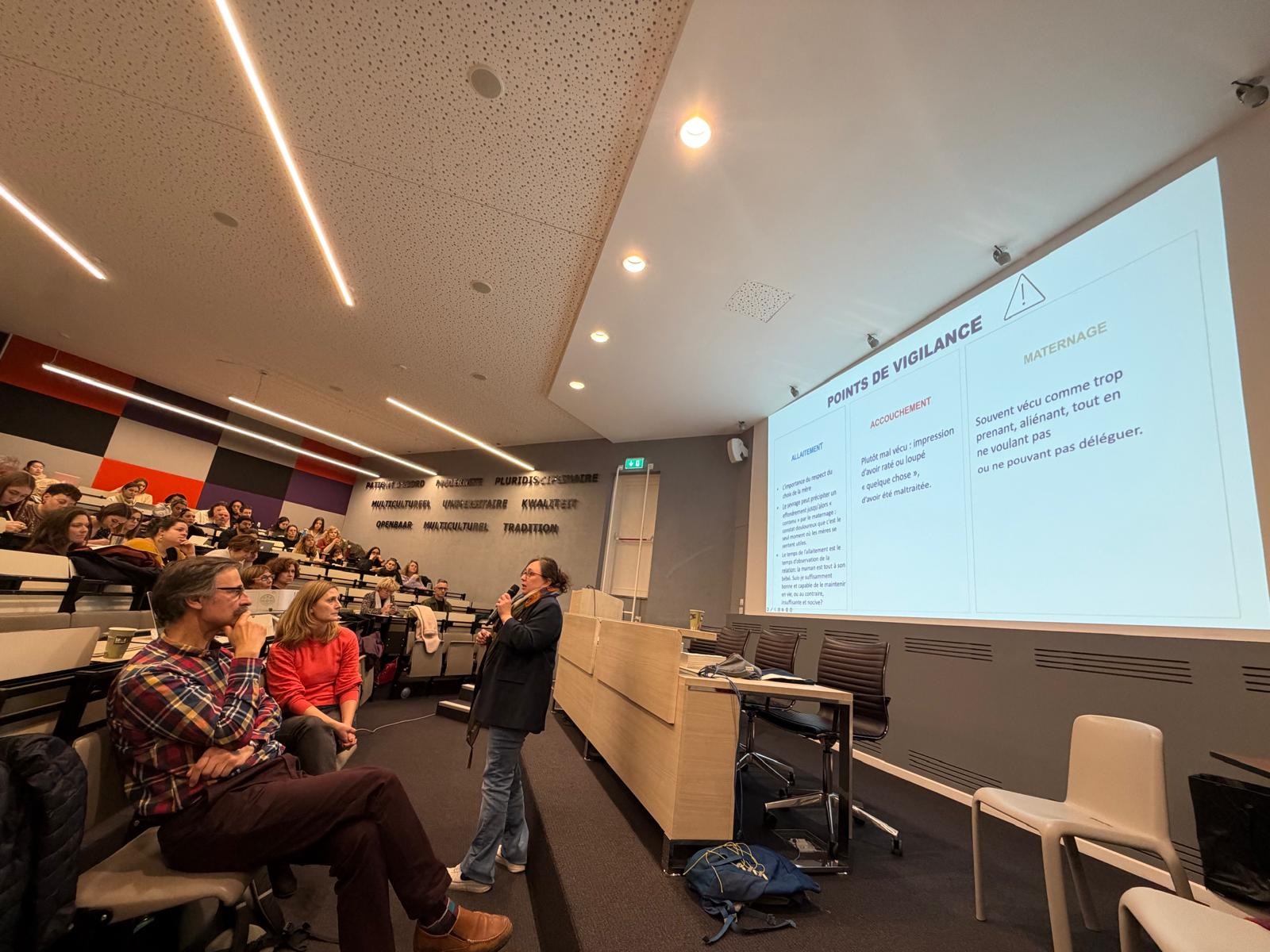
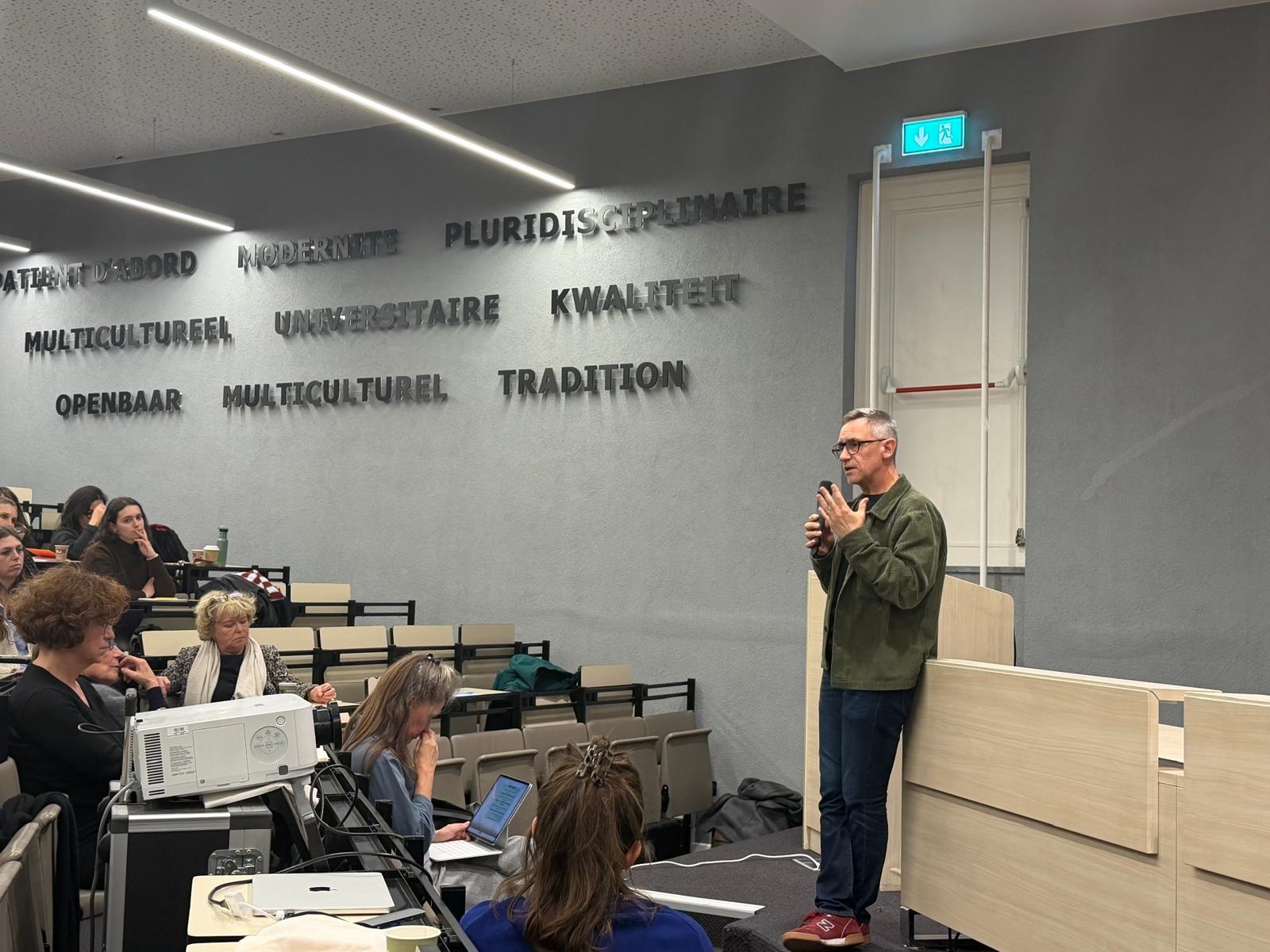
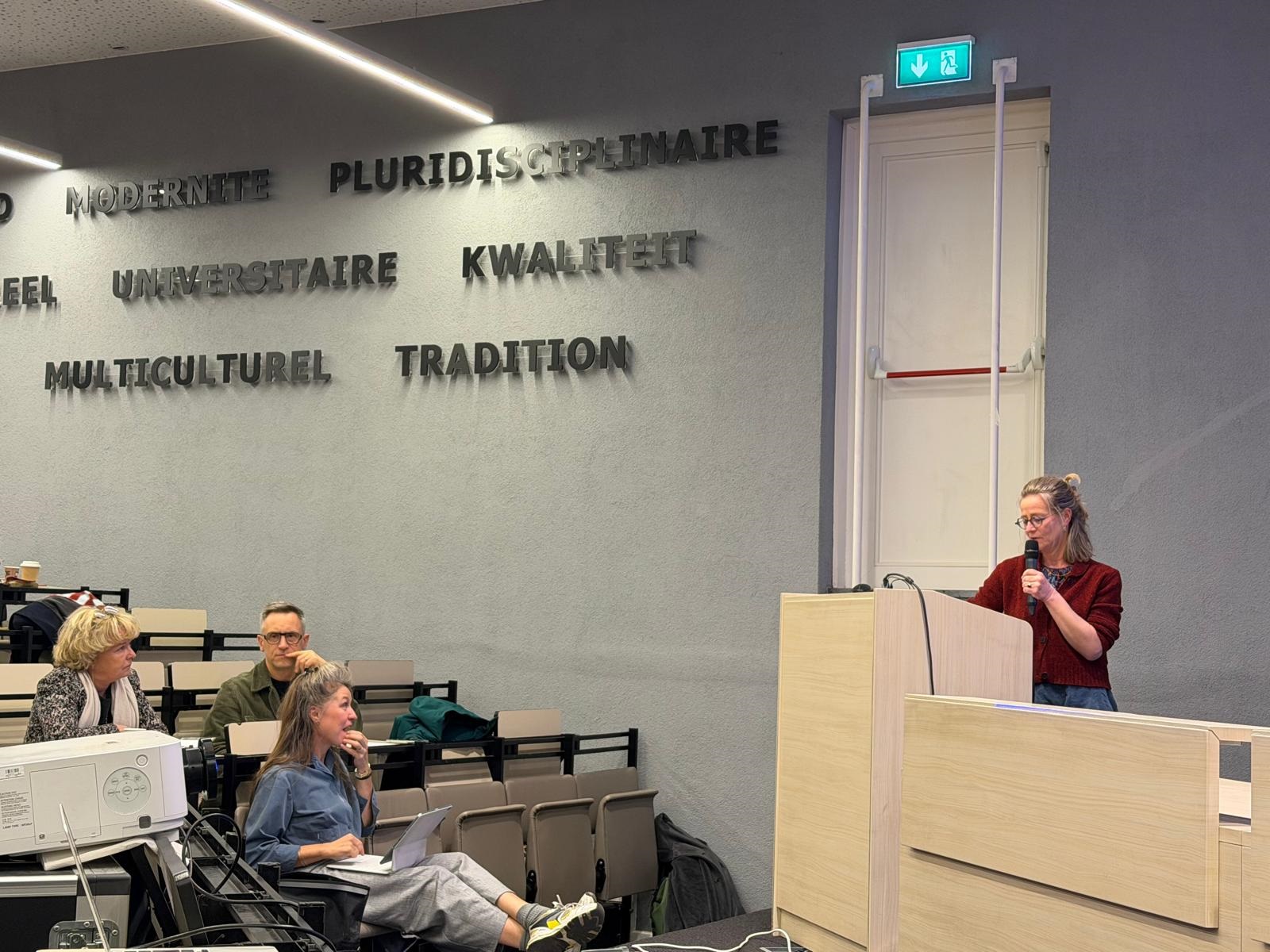
To mark this anniversary, a scientific study day brought together professionals and partners around peer support and the active involvement of parents in care. Ten years after their creation, the day units for child and adolescent psychiatry at the HUDERF clearly position themselves within a long-term vision, faithful to a clinical practice that takes time to observe, support and build—together with families—more secure developmental pathways for children.
Service de Psychiatrie du bébé, de l'enfant, de l'adolescent et du jeune adulte