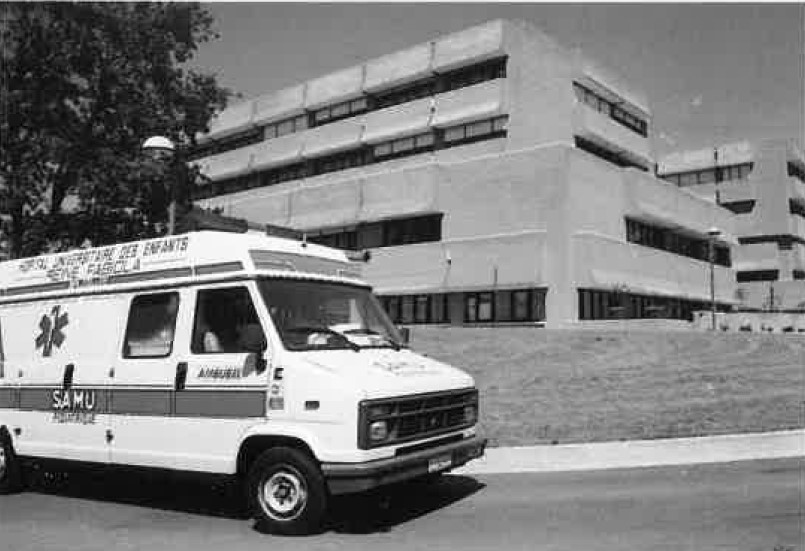

40 years of the Children’s Hospita: The birth of a children’s hospital at the heart of Brussels
In Brussels, the creation of the Queen Fabiola University Children’s Hospital, inaugurated in 1986, marked the culmination of a medical and institutional evolution that recognised paediatrics as a discipline in its own right. Forty years on, the hospital remains true to this founding ambition.
A hospital entirely dedicated to children
For a long time, children were treated as small adults. In Brussels, paediatrics existed, but without a dedicated setting, without a structure designed to address the medical, psychological and social complexity of caring for a sick child.
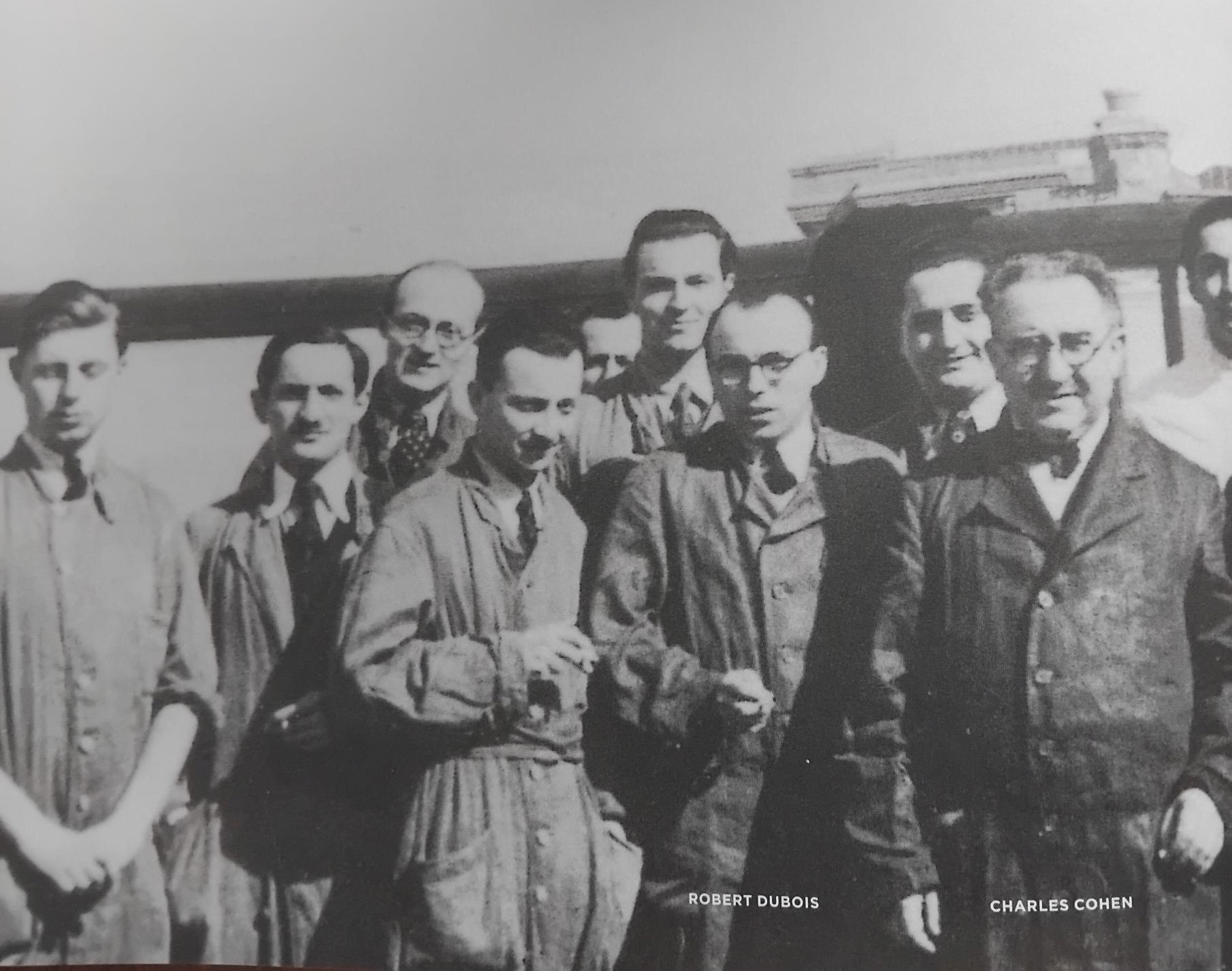
Gradually, a shared conviction emerged among several physicians: caring for a child requires a specific approach, one that is both scientifically rigorous and profoundly human. Among them, Robert Dubois stands out as a key figure. Trained internationally, he championed a modern vision of paediatrics, attentive to chronic diseases, nutrition and metabolism, as well as to the psychological and social dimensions of care. Under his leadership, teaching became more structured and research secured a lasting place at the heart of clinical practice.
As early as 1951, Robert Dubois articulated the need for a hospital entirely dedicated to children, designed to meet the specific medical and academic requirements of paediatric care. At the time, this idea remained largely theoretical, but it would continue to mature over the following decades.
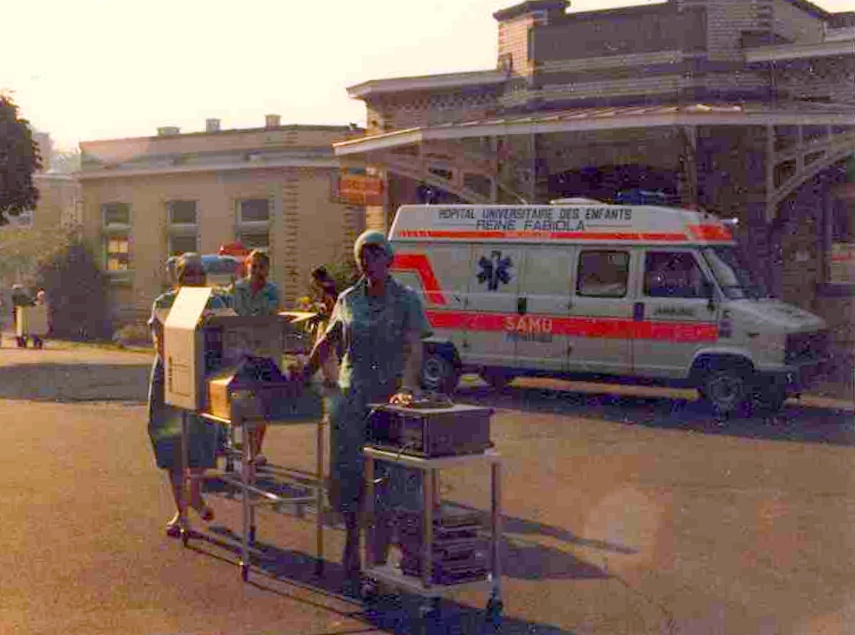
This vision took concrete form in the mid-1980s, when the decision was made to build a hospital in Brussels devoted exclusively to children. The project was ambitious for its time: an integrated medical and surgical approach, high-level technical services, and a clearly defined academic mission.
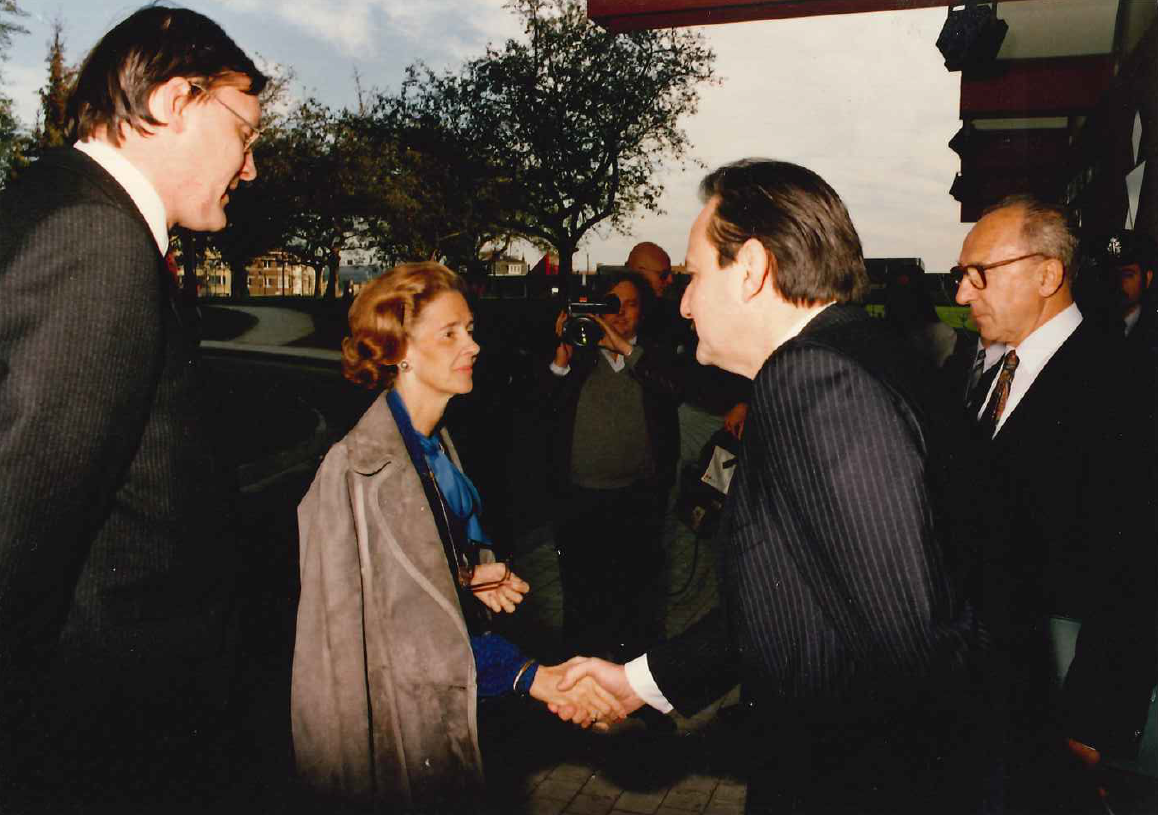
In 1986, the Queen Fabiola University Children’s Hospital opened its doors. Its inauguration by Queen Fabiola gave the project strong symbolic significance. By lending her name to the institution, the Queen anchored the hospital in a long-term vision, recognising childhood as a major public health and societal concern.
Building a paediatric hospital model
Around Robert Dubois, a new generation of physicians became actively involved in building the institution. Among them, Henri Louis Vis played a decisive role in shaping its structure. Under his guidance, paediatric subspecialties developed rapidly, and the hospital grew into a coherent model of care, research and education, founded on collective and multidisciplinary collaboration.
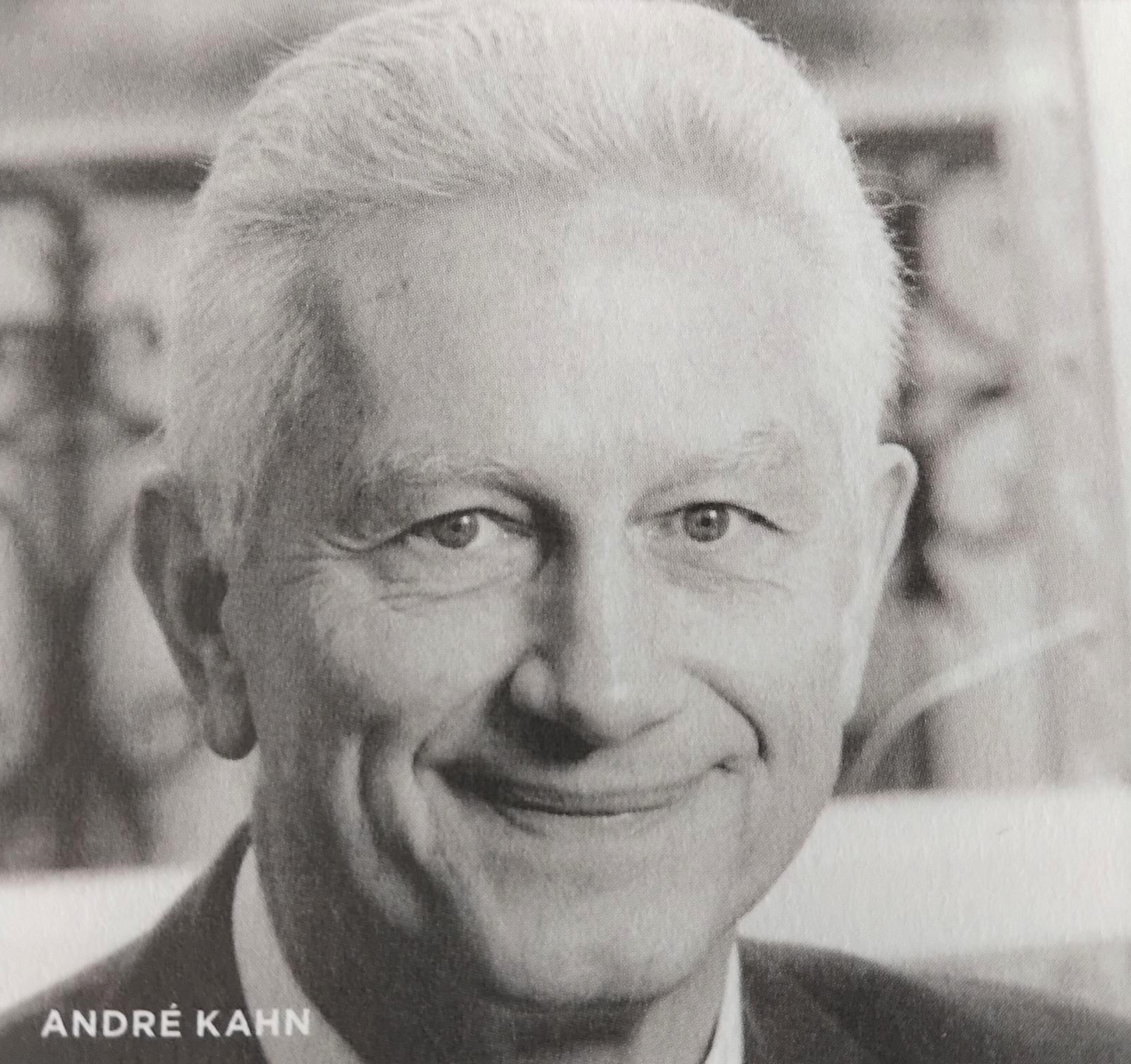
In 1994, a new chapter began with the appointment of Professor André Kahn as Head of the Department of Paediatrics. His internationally oriented leadership further strengthened the hospital’s scientific foundations. He actively supported research, mentored young physicians and contributed to the creation of the hospital’s Scientific Foundation. His work is also closely associated with research into sudden infant death syndrome, a field in which the hospital achieved lasting recognition.
Forty years on, the HUDERF is far more than a building. It is a recognised university hospital, a place where care, research and education are closely intertwined in the service of children and their families. Beyond its founding figures, generations of professionals have shaped, day after day, an institution that has become indispensable.
Today, the story continues within the Université Hospitalière de Bruxelles, carried forward by a shared mission of care, research and education. As it celebrates its 40th anniversary, the Queen Fabiola University Children’s Hospital looks back on its history with clarity and towards the future with responsibility, remaining true to its founding purpose: to place science at the service of childhood, without ever separating medical excellence from human care.