We're hiring ! Join us and make a difference in our hospitals


Urticaria
Urticaria
What is it?
What is it?
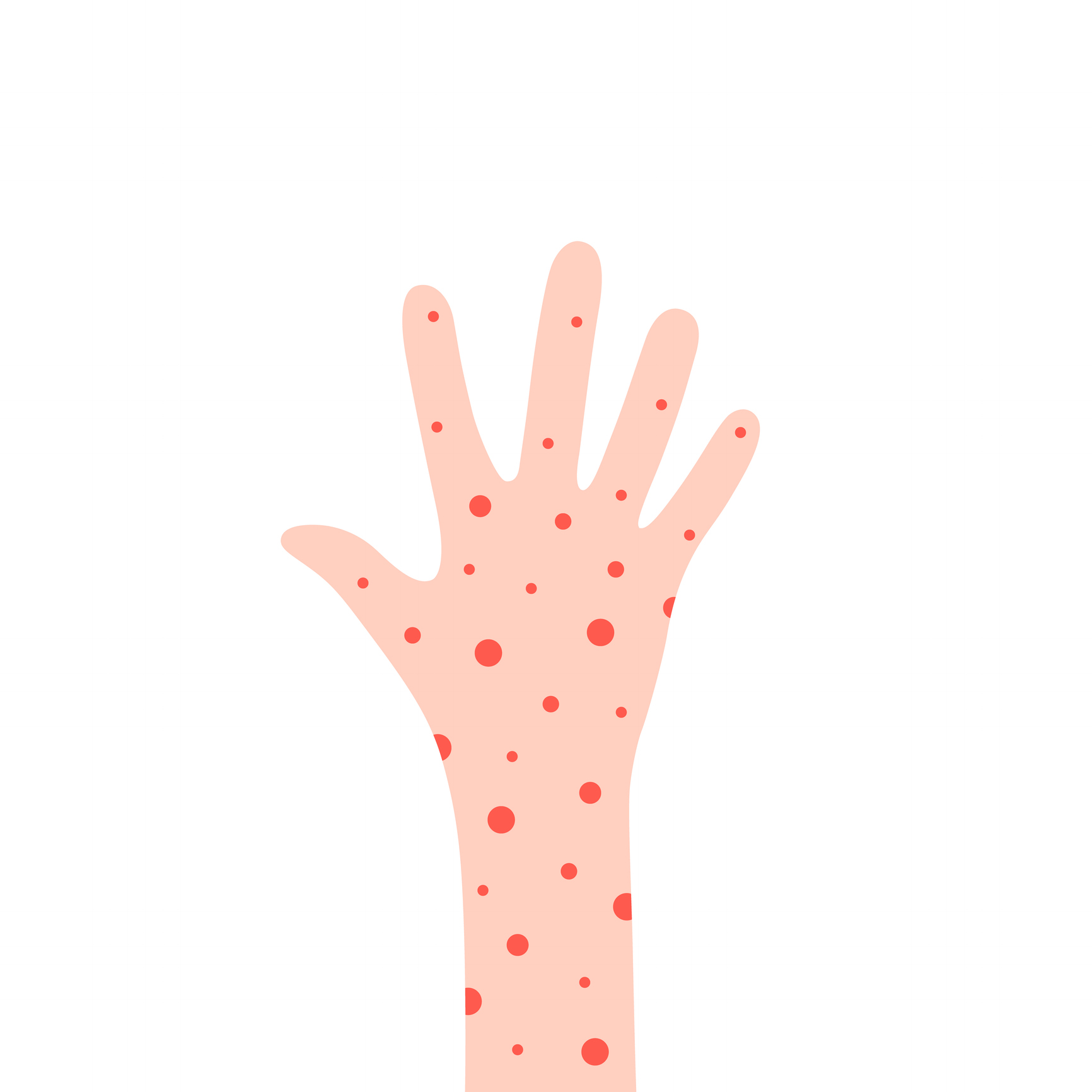
Urticaria is a skin reaction characterised by red, raised and very itchy patches that change location within 24 hours and reappear elsewhere.
Acute urticaria, defined as lasting less than 6 weeks, may be triggered by allergies (for example, to food, insect bites, medicines, etc.) or by infections.
Chronic urticaria, which lasts for more than 6 weeks, is not caused by an allergy. It is caused by inflammation related to overactive mast cells, cells that release excessive amounts of histamine. This form may be triggered by factors such as cold, sunlight, heat, physical exertion, water, etc., or may occur spontaneously.

Care management
The doctor confirms the diagnosis and identifies the triggering factors during the consultation.
Antihistamines (administered as a syrup from an early age or in tablet form) are often prescribed to reduce itching.
Further investigations are not always necessary, particularly in cases of acute urticaria associated with an infection. When indicated, the allergy team at the Children’s Hospital can perform allergy tests (skin tests: prick and intradermal tests, challenge tests) to identify possible allergens (foods, medicines or other substances).
In certain forms of chronic urticaria, more extensive blood tests may be prescribed. The doses of antihistamines, taken over a long period, are adjusted according to the progression of the condition. Other treatments, such as monoclonal antibodies, may be administered as long-term injections to better control symptoms from the age of 12.
Regular follow-up is necessary to monitor the progression of urticaria and adjust the treatment.
Advice
Avoiding the triggering factors, if identified, is essential.
Recurrent or chronic urticaria requires specialist advice.
In chronic urticaria, certain medicines should be avoided, such as NSAIDs (aspirin, Nurofen, etc.). Relaxing activities and family support are invaluable in helping to reduce stress and anxiety.
No food should be excluded in chronic urticaria. Strict diets are counterproductive and can cause anxiety.
Allergic urticaria is generally acute. It may be accompanied by severe symptoms (facial swelling, breathing difficulties, feeling faint, etc.) requiring consultation at the Hospital’s Emergency Department and use of an emergency kit if prescribed.
Cold urticaria and exercise-induced urticaria (which mainly affects adolescents and young adults) may, in some cases, cause a severe reaction called “anaphylaxis”.

Our experts
- Dr Isabelle Jacques
- Dr Sabine Rozenberg
- Dr Sophie Pohlen