
Paediatric Physiotherapy: 40 Years of Progress at the Children’s Hospital
Since 1986, paediatric physiotherapy has undergone profound changes. From techniques to technologies, and from care to autonomy, a look back at 40 years of evolving practices at HUDERF, closely tailored to the needs of each child.

Paediatric physiotherapy: forty years of learning to provide care differently
Helping a child to breathe, restoring movement after a procedure, preserving mobility during treatment or supporting their development: behind these actions lies a discipline that has undergone profound change.
Since the opening of the Queen Fabiola Children’s University Hospital (HUDERF) in 1986, paediatric physiotherapy has evolved in step with advances in medicine and knowledge about children. Techniques have become more refined, areas of expertise have multiplied and physiotherapists have taken on an increasingly important role within care teams. Above all, the discipline has moved from an approach focused primarily on function to much more comprehensive care, attentive to development, comfort and autonomy.
Physiotherapy increasingly adapted to children
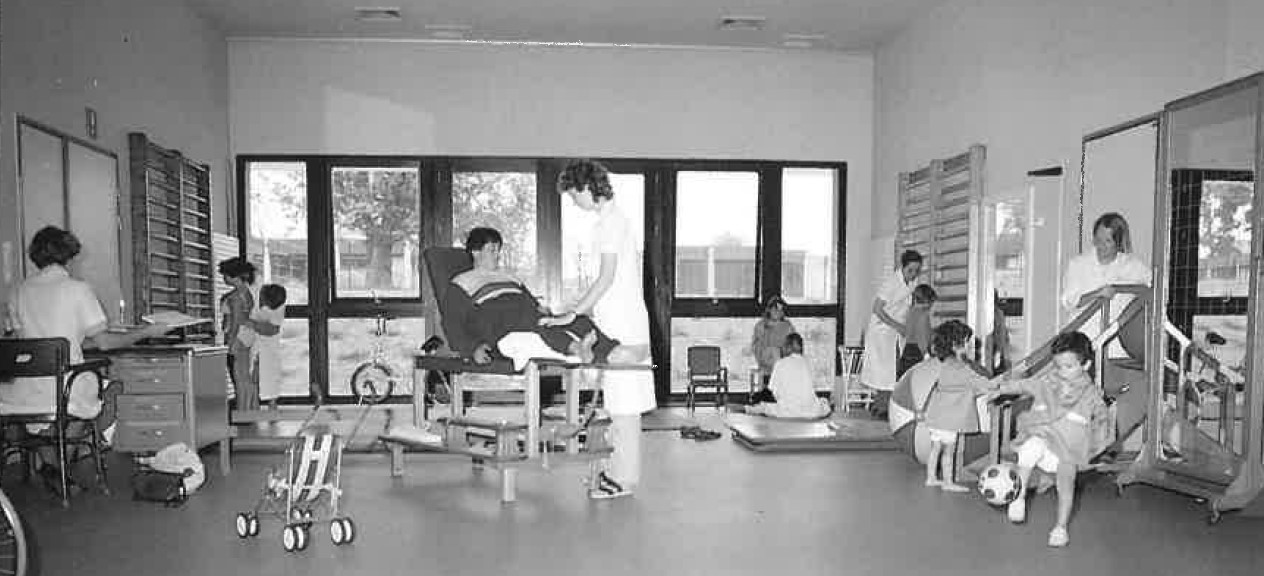
In 1986, physiotherapy was already part of paediatric care, particularly in neurology and orthopaedics. However, training specifically devoted to children remained limited, and many techniques were still derived from adult medicine before being adapted for young patients.
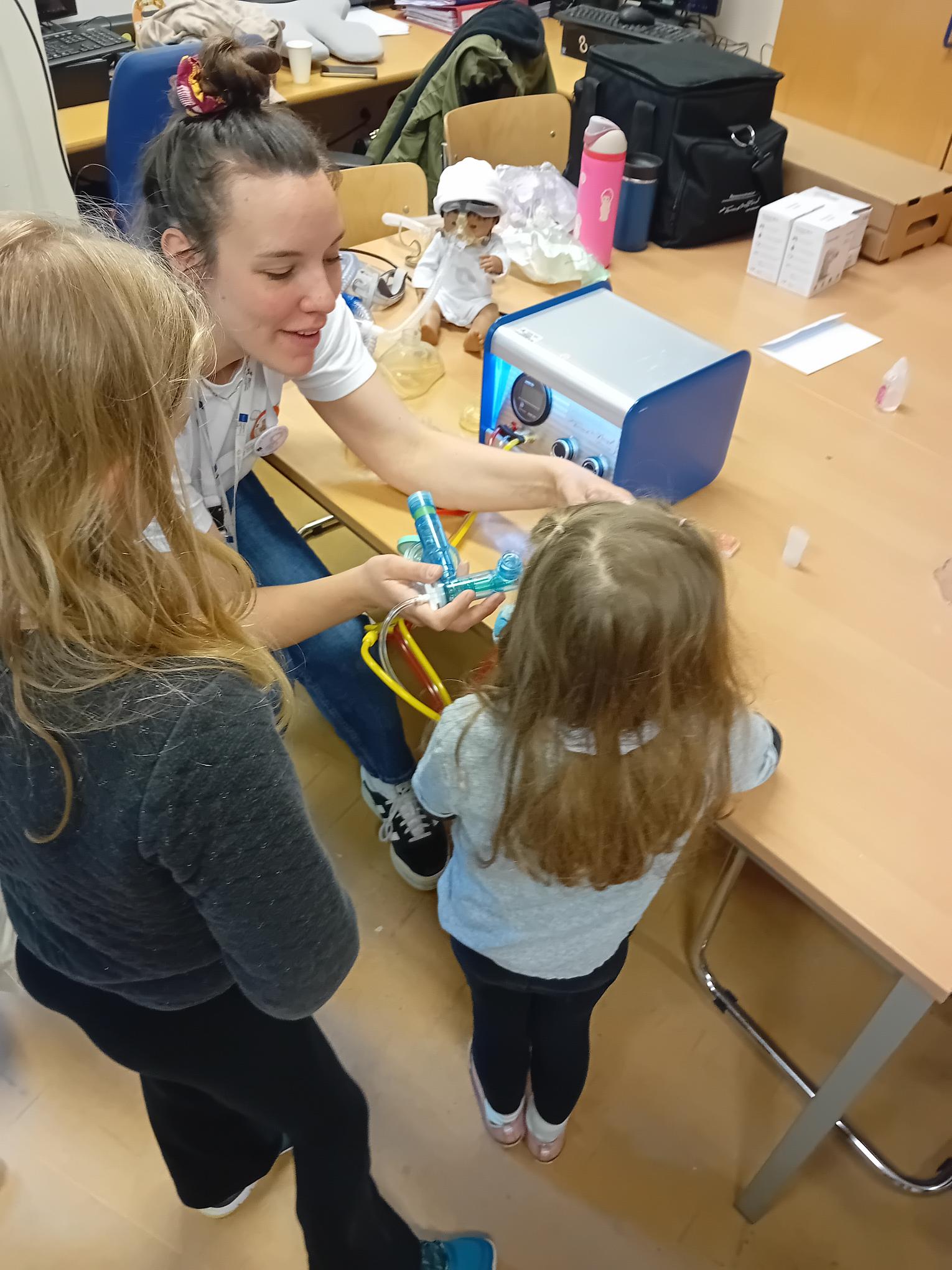
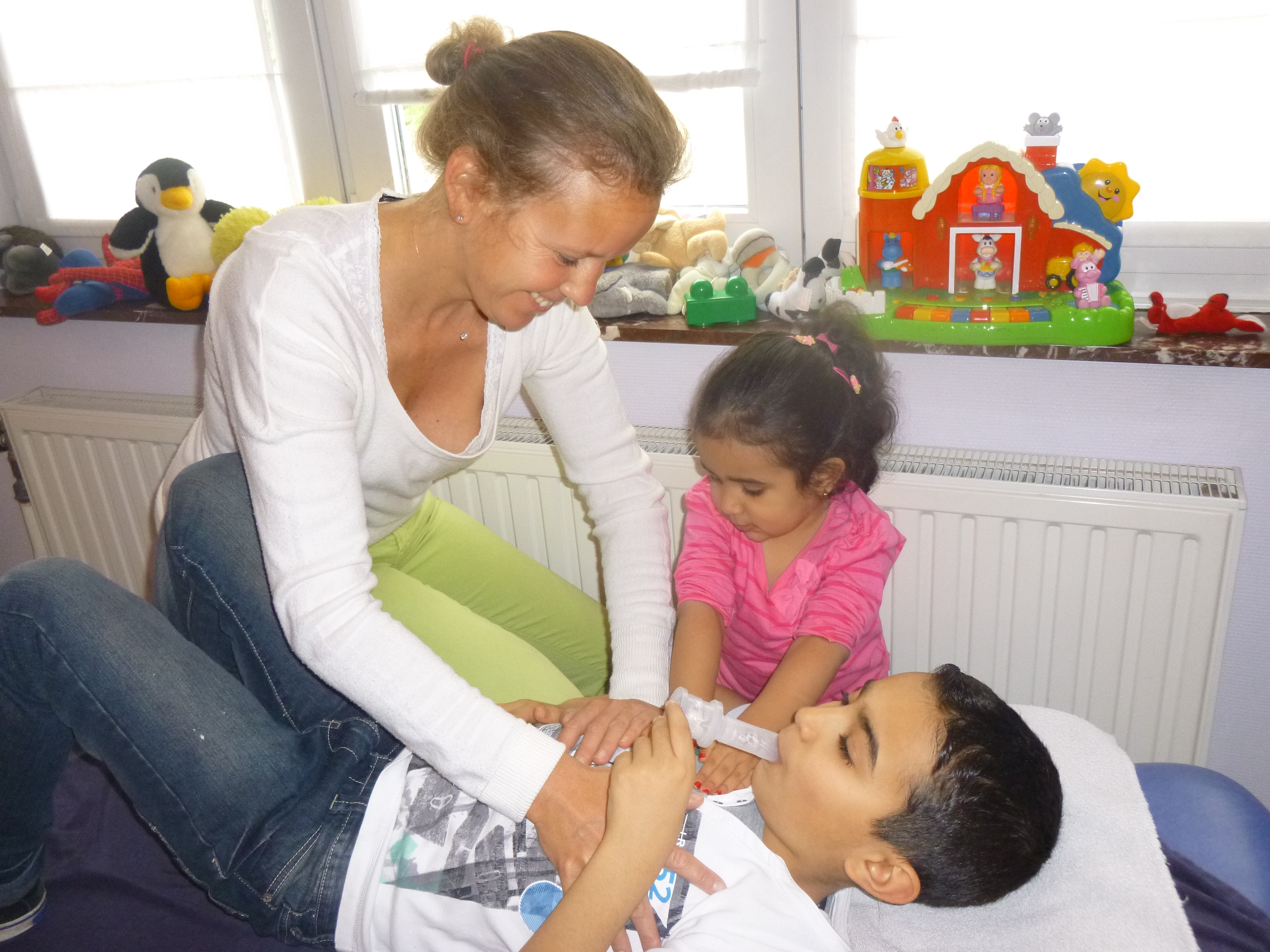
Respiratory physiotherapy particularly illustrates the progress made. For example, infant crying was more readily accepted during sessions. As knowledge of physiology has developed, practices have gradually adapted to better respect the specific characteristics and responses of each child. Techniques have become gentler and more individualised.
More broadly, this development reflects a new way of approaching care. Rather than applying the same technique to everyone, the physiotherapist adapts their intervention more closely to each child’s condition, needs and responses, in collaboration with the other professionals supporting them.


Intensive care at home
From the 1990s onwards, advances in intensive care, ventilation, surgery and treatments transformed the profile of patients. In intensive care, the role of the physiotherapist expanded, and their expertise gradually became integrated into the care of ventilated children or children with complex conditions.
Above all, children with diseases once associated with a much more limited life expectancy are now growing up with their condition. In respiratory or neuromuscular diseases, as well as in neurology and oncology, physiotherapy must take the long term into account: preserving function, preventing complications, maintaining mobility and supporting growth.
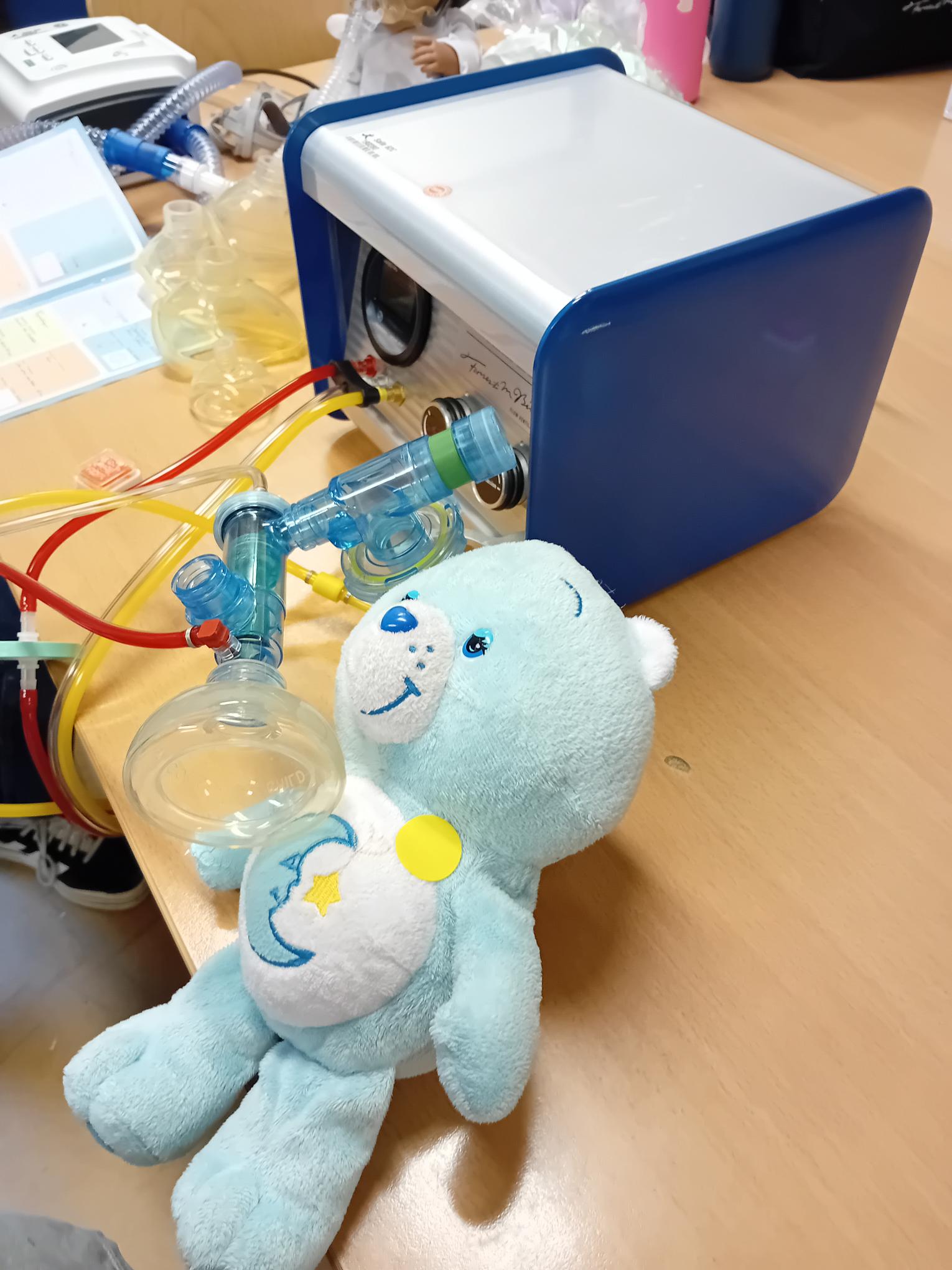
The development of home ventilation symbolises this evolution. Children who would once have spent long periods in hospital can now return home and regain their family environment. Medical technology thus becomes a tool for independence.
From the child’s body to the child as a whole
Another, quieter revolution is taking place in paediatrics. Children’s pain and emotional needs are better recognised, while knowledge of neurological development continues to advance.
In a baby, posture, gaze, response to touch and the way they engage with others all become useful sources of information. The physiotherapist is therefore no longer interested solely in a muscle, a joint or respiratory function: they observe a developing child, in their environment and in their relationship with their parents.
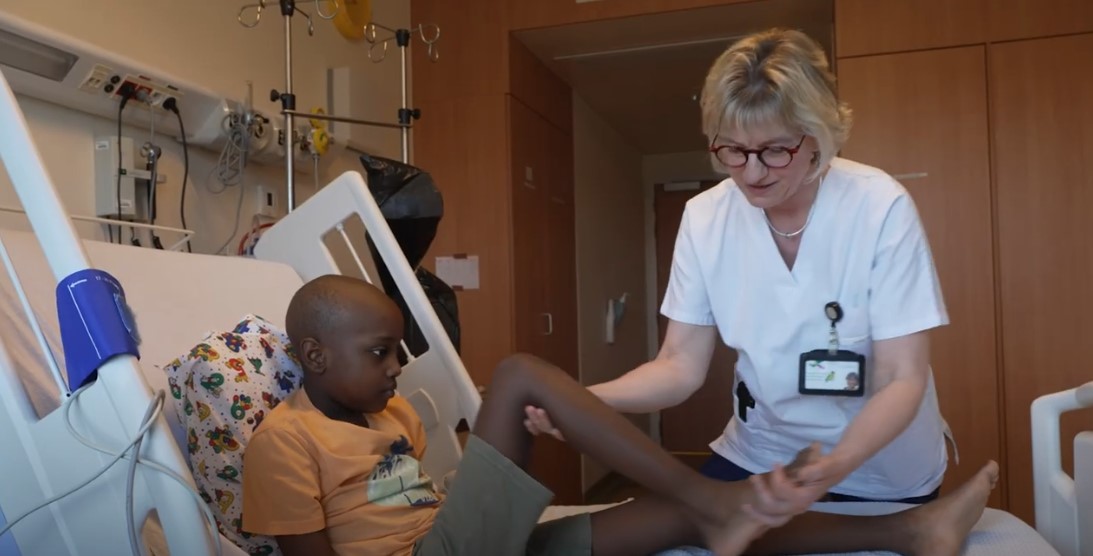
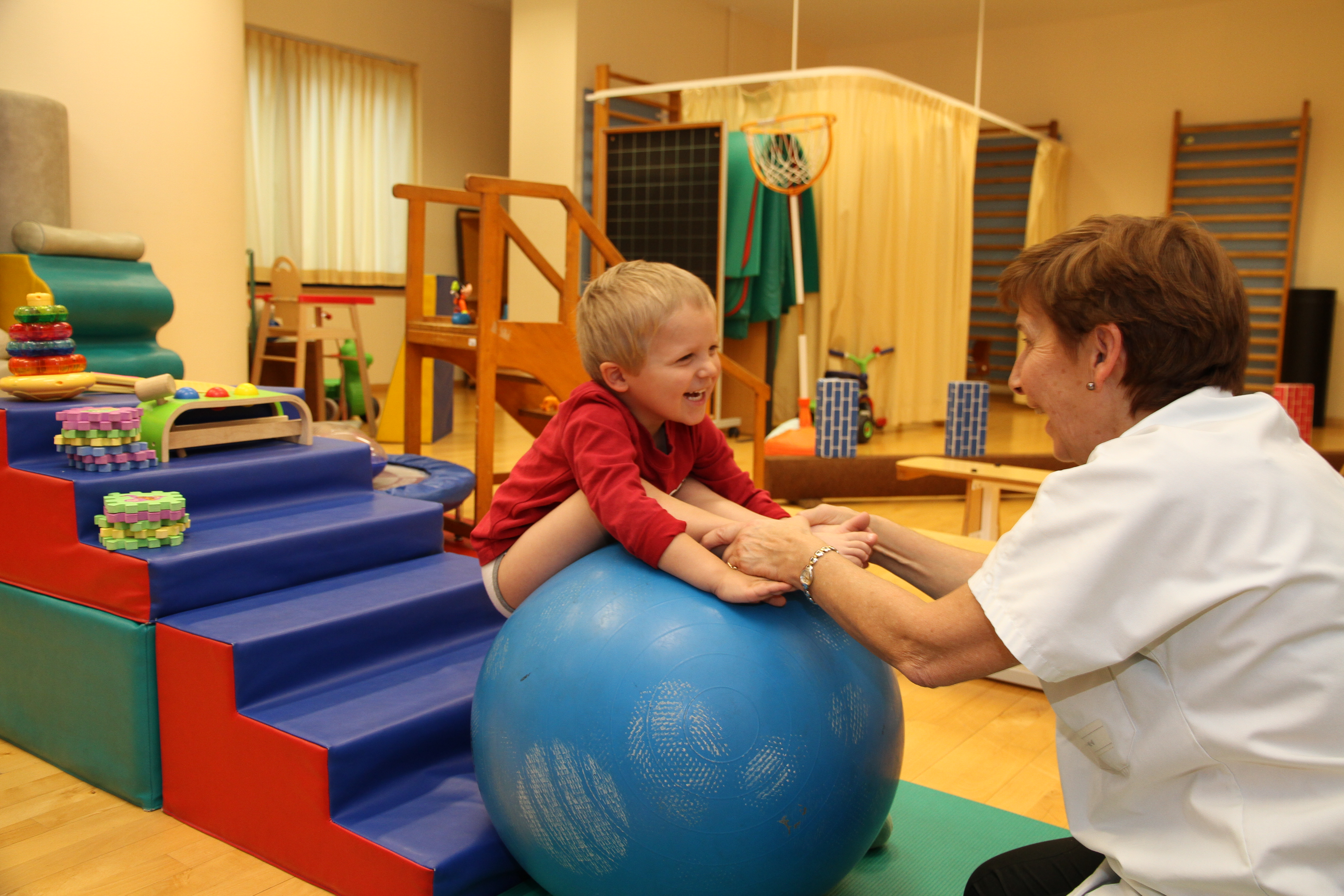
This evolution is also transforming the rehabilitation of motor disabilities. Correcting a movement or strengthening a muscle remains important, but one question has become central: what will this enable the child to do? Moving around at school, playing, taking part in an activity or becoming more independent are now objectives in their own right. Success is no longer measured solely by improved function, but by what that function makes possible in everyday life.
When technology expands the realm of possibilities
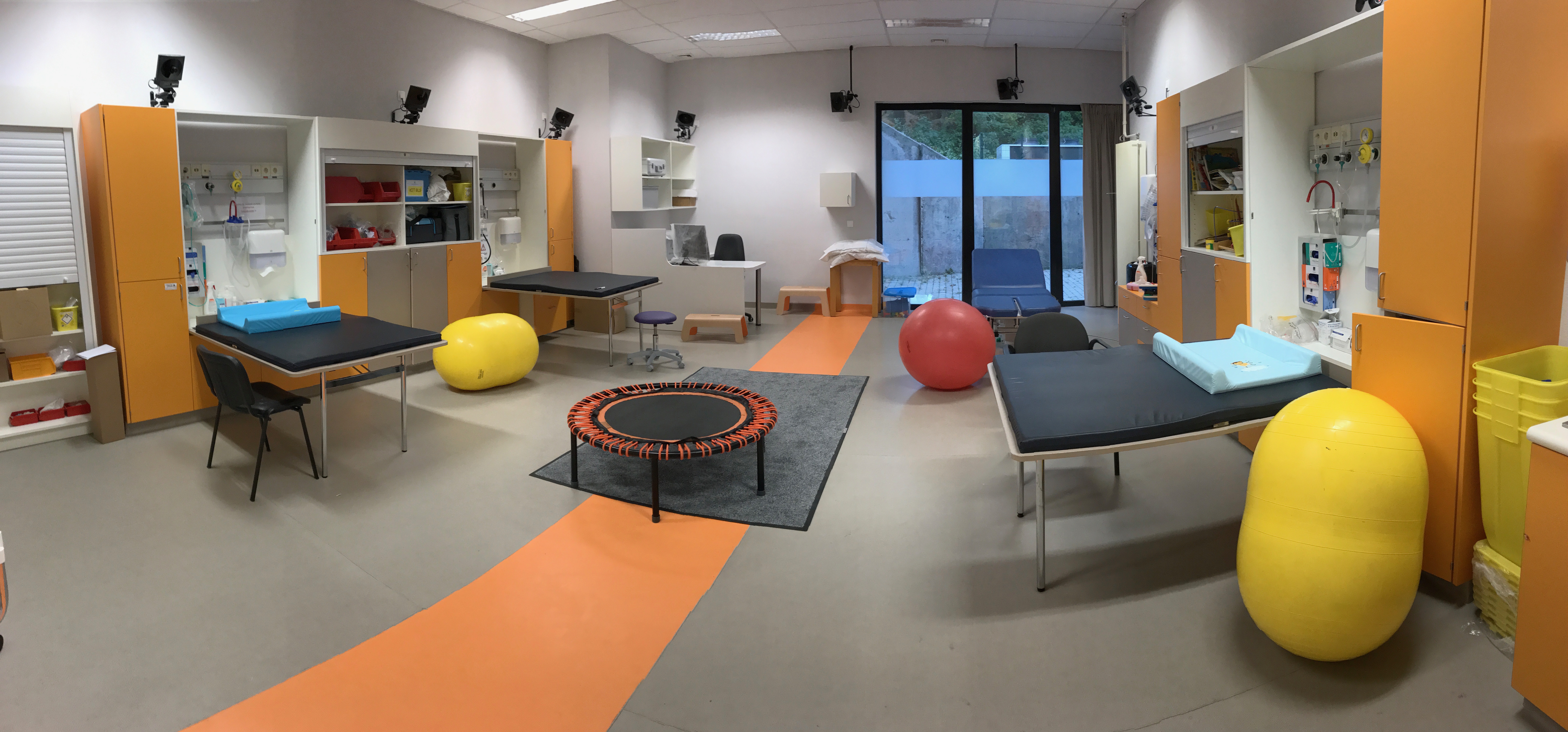
Technological advances support this transformation. Gait analysis now makes it possible to measure precisely how a child moves, monitor their progress and assess the effect of an orthosis, rehabilitation or surgical intervention.
Robotics and exoskeletons are in turn opening up new possibilities for some children with significant motor limitations. But the question remains the same: what can this technology really bring to the child? Innovation is not an end in itself; it must serve the child’s independence, participation and quality of life.
Caring together
Over the past forty years, parents have also become partners in the therapeutic journey. They learn certain procedures, take part in prevention and support care on a daily basis, particularly in chronic diseases or when the child depends on medical equipment or home ventilation.
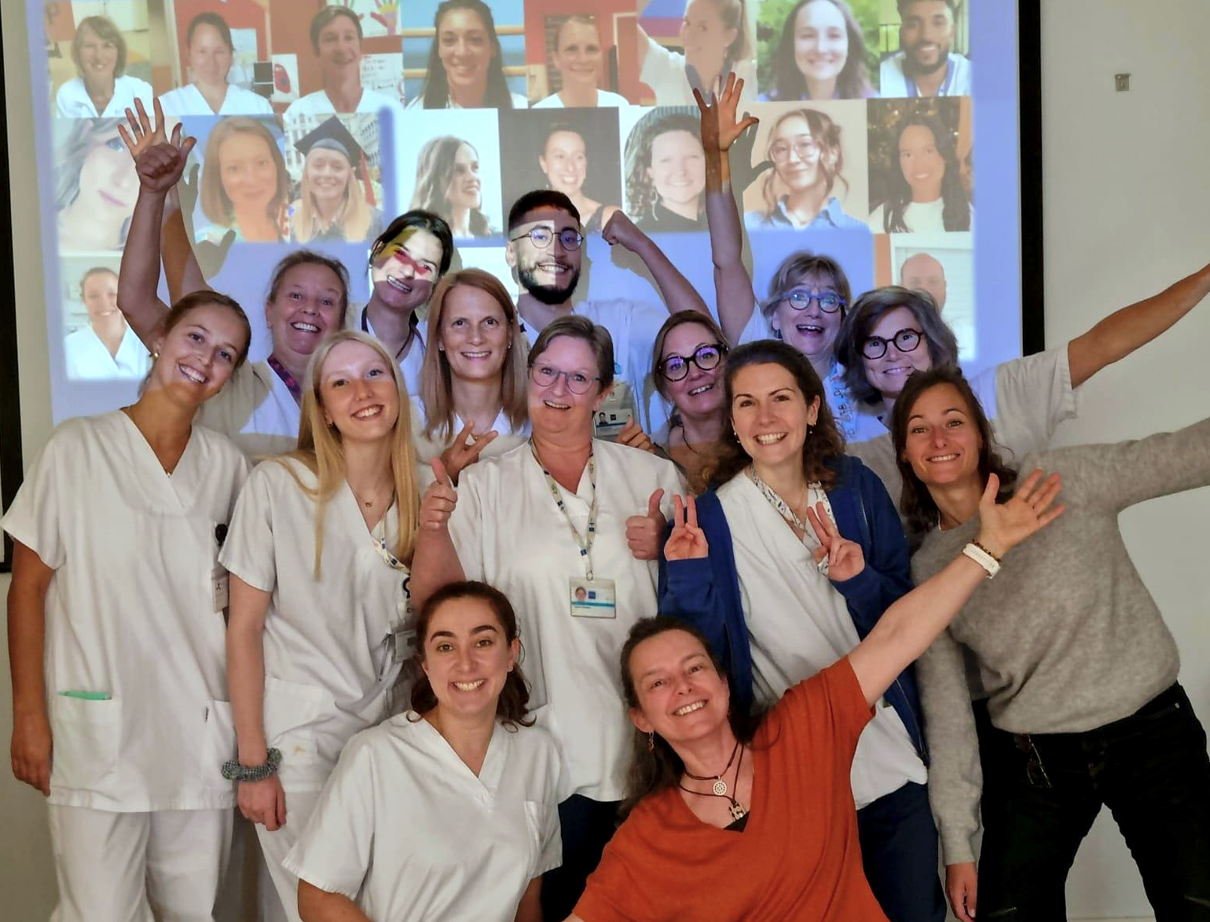
At HUDERF, this evolution has been accompanied by increasing multidisciplinary collaboration. Physiotherapy is involved in neurology, orthopaedics, pneumology, neonatology, intensive care, paediatric haematology-oncology and neuromuscular diseases. Physiotherapists, doctors, nurses, occupational therapists, psychologists, speech therapists and other professionals combine their expertise around the child.
This close collaboration, within a hospital entirely dedicated to paediatrics, has fostered the development of increasingly specialised and individualised physiotherapy.
From function to life
Forty years after HUDERF opened, techniques have changed, tools have become more sophisticated and the scope of physiotherapists’ work has expanded considerably. But the essential change may lie in how the success of care is defined.
Breathing well enough to return home, maintaining mobility during a prolonged illness, being able to move around at school despite a disability, regaining confidence in one’s body after an intervention, playing or becoming more independent.
Paediatric Physiotherapy | Queen Fabiola Children’s University Hospital