

40 years of Paediatric Diabetes at the Children’s Hospital
From the first syringes to automated pumps, four decades of progress in the treatment and support of children living with diabetes.

When the Queen Fabiola Children’s University Hospital (HUDERF) opened its doors in 1986, living with diabetes required children and their families to follow a particularly demanding daily routine. Insulin injections were administered using syringes, blood glucose levels had to be measured several times a day, and the results were carefully recorded in a logbook. Forty years later, glucose sensors, insulin pumps and automated systems have profoundly transformed this reality.
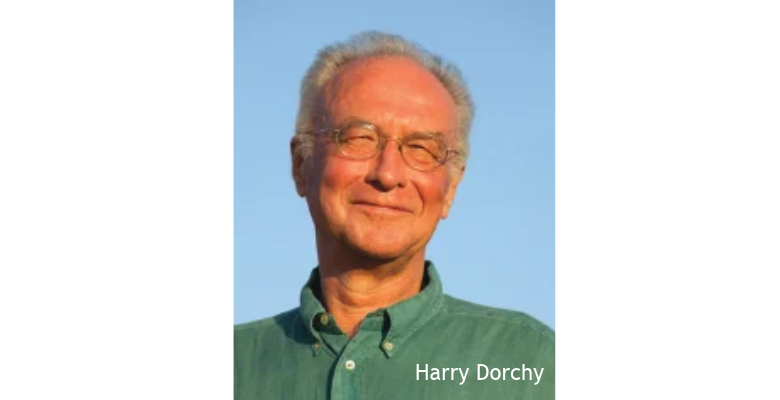
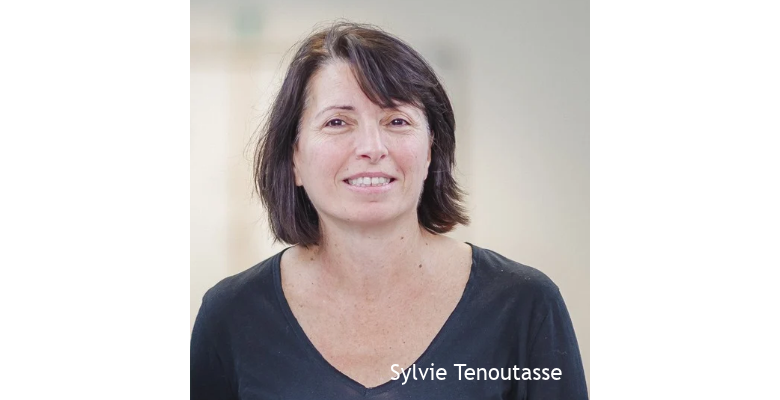
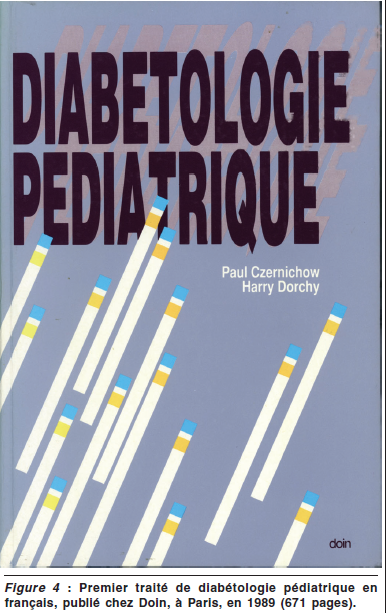
At HUDERF, this evolution has gone hand in hand with that of a diabetes clinic established at the initiative of Professor Harry Dorchy, a pioneering figure in the field in Belgium. Now headed by Professor Sylvie Tenoutasse, it has become a reference centre for paediatric diabetology. Its history reflects not only advances in treatment, but also the changing importance given to children and their families.


1986: the beginnings of a specialised clinic
When the Children’s Hospital opened, Professor Harry Dorchy developed a clinic dedicated to children and adolescents living with diabetes. At that time, he worked with a nurse who gradually devoted almost all her time to this activity. Follow-up was essentially based on medical consultations and insulin administration, with a significant role already given to educating young patients.
This desire to make young patients more independent was part of an approach initiated well before the hospital opened. In 1970, Professor Harry Dorchy and Professor Helmut Loeb organised the first educational holiday camp for children with diabetes in Belgium. There, the children learned more about their condition and how to manage their treatment, while enjoying activities and community life like other young people their age.
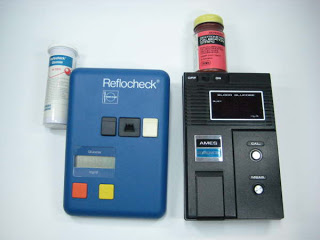
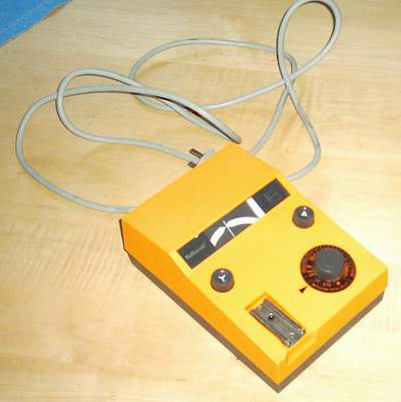
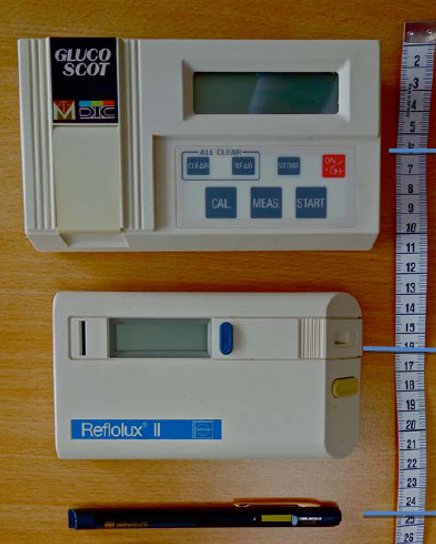
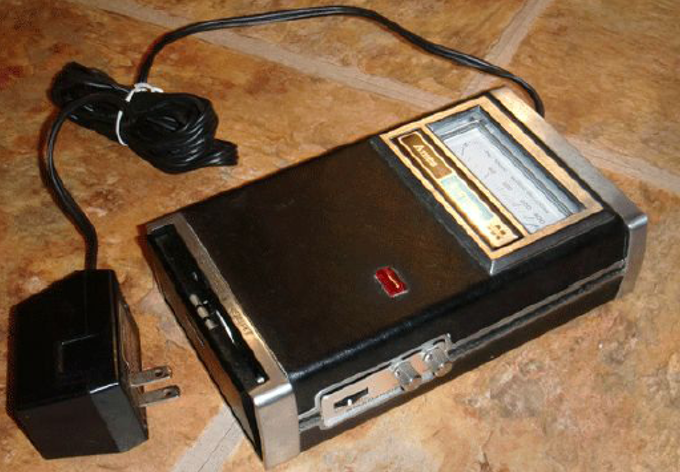
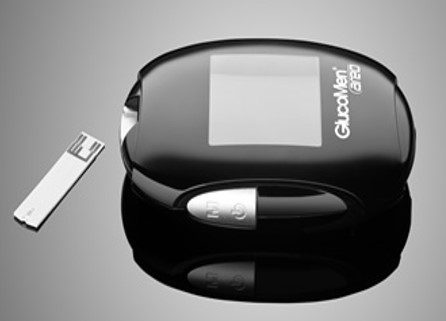
At that time, monitoring options were still limited. To measure their blood glucose levels, children had to prick their fingertips four to six times a day and record the results in a notebook. Doctors therefore had only a few isolated measurements to use when adjusting insulin doses. The first electronic meters were bulky and relatively slow. Over the years, they became smaller, faster and more accurate, gradually simplifying families’ daily lives.
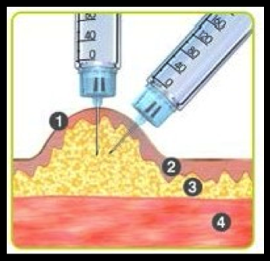
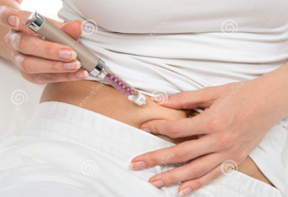
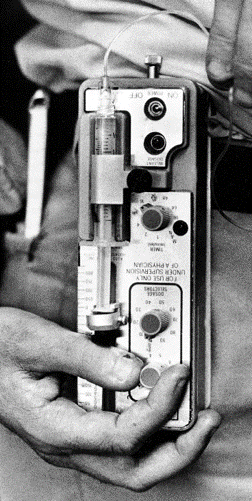
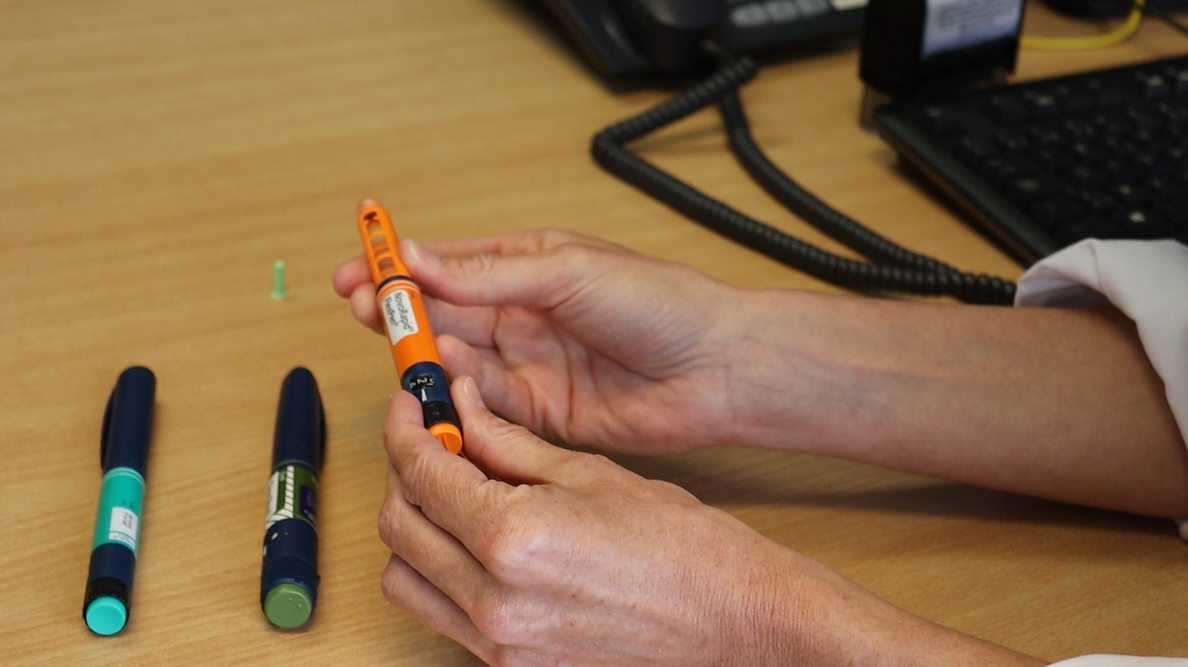
Treatments also evolved. In 1986, the insulins used were still largely of animal origin. Genetic engineering subsequently made it possible to produce human insulin in the laboratory, followed, in the early 2000s, by the introduction of insulin analogues whose action could be faster or longer-lasting. At the same time, glass syringes, which parents once had to sterilise, were replaced by disposable syringes and then by injection pens. These advances gradually made it easier to adapt treatment to meals, activities and the child’s lifestyle.


From blood glucose diaries to automated systems
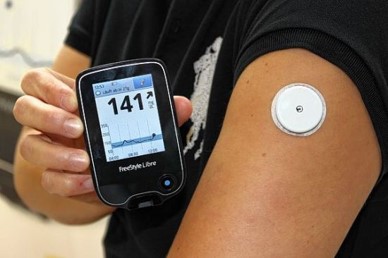
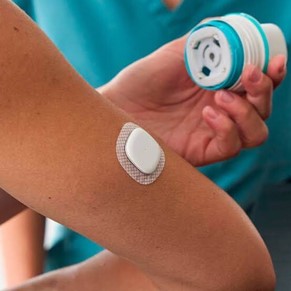
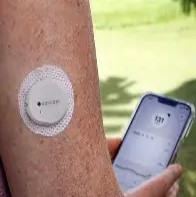
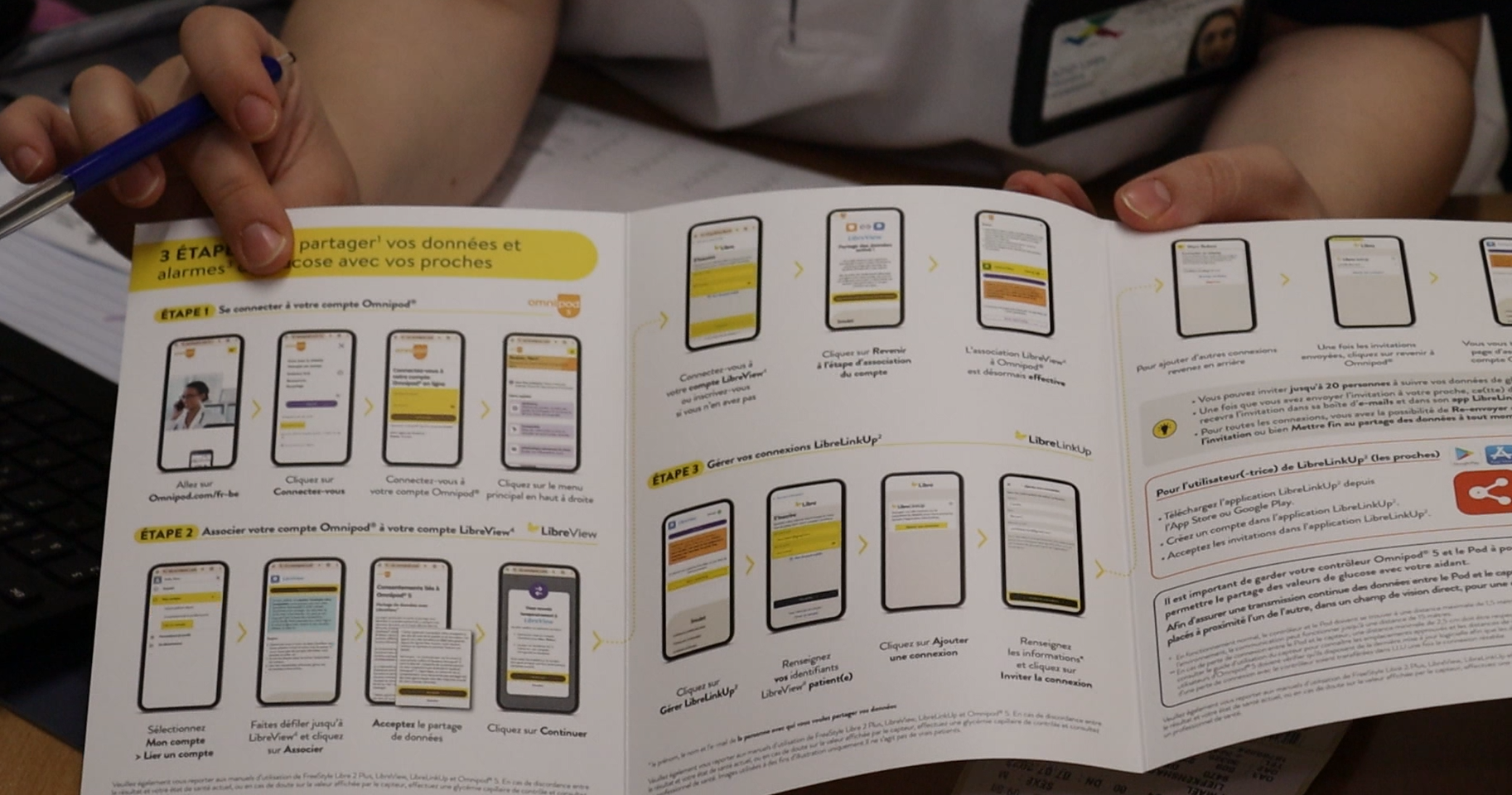
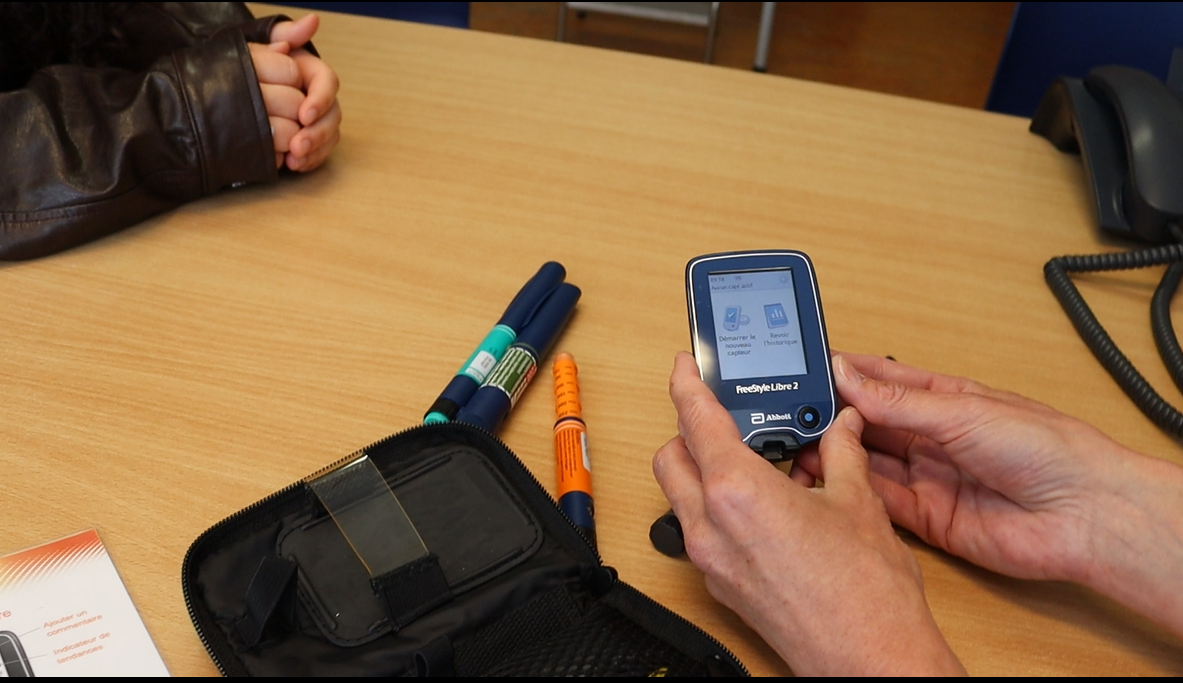
For decades, diabetes monitoring relied on a few daily measurements. The advent of sensors has transformed this practice. Placed on the skin, they make it possible to track glucose fluctuations day and night, without the need for multiple finger-prick tests. Their reimbursement in Belgium, starting in 2016, encouraged their adoption by children and adolescents.
Insulin pumps have also evolved. Smaller and more efficient, they deliver insulin continuously, with doses that can be adjusted according to requirements. Their recent combination with sensors has led to automated systems, or hybrid closed-loop systems. Algorithms adjust part of the insulin delivery according to the measured values.
These devices improve glycaemic control and ease certain aspects of diabetes management, but they do not eliminate the daily management of the disease. Meals still need to be announced, carbohydrate intake estimated and physical activity taken into account. And because no technology is immune to malfunction, children and their parents must continue to master the essential treatment procedures.


From a diabetes clinic to a reference centre
The transformations are not solely technological. They also concern how care is organised. In Belgium, the creation of diabetology conventions has helped structure patient follow-up and develop teams bringing together several disciplines. At HUDERF, the paediatric diabetology convention was established in 1997. It has helped strengthen the medical, educational and psychosocial aspects of follow-up, while facilitating access to equipment and specialised professionals.
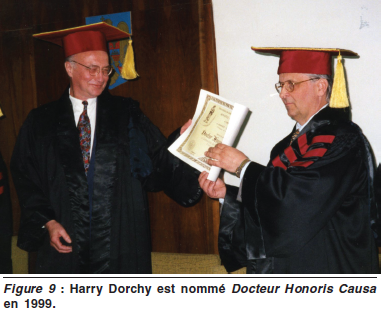
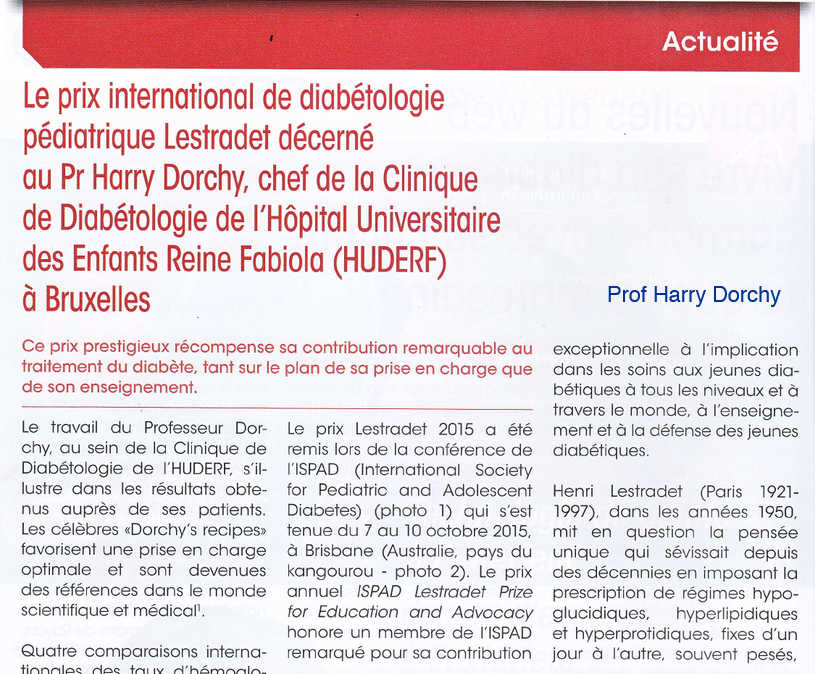
The quality of the work carried out at HUDERF has also received international recognition. Between 1994 and 2009, the clinic consistently achieved the lowest mean glycated haemoglobin (HbA1c) levels among the centres participating in the four comparative studies conducted by the international Hvidoere group. In 2015, Professor Harry Dorchy received the international Lestradet Prize, awarded by the International Society for Pediatric and Adolescent Diabetes (ISPAD), in recognition of his commitment to the care, education and advocacy of young people living with diabetes.


The centre founded by Professor Dorchy has become the ULB Reference Centre for Diabetology. Now headed by Professor Sylvie Tenoutasse, it follows more than 650 children and adolescents, making it the largest paediatric diabetology centre in Belgium in terms of patient numbers. The team now comprises around ten professionals: doctors, specialist nurses, a dietitian, a psychologist and a social worker.
Type 1 diabetes accounts for most of its activity, but the centre also treats type 2 diabetes, certain genetic forms such as MODY, and diabetes associated with other diseases or treatments.
This range of expertise reflects a reality: living with diabetes is not limited to monitoring blood glucose levels. The disease affects diet, schooling, sports activities, family life and sometimes psychological wellbeing. All these aspects require care tailored to each child’s age and circumstances.
Learning to live with diabetes from the time of diagnosis
A diagnosis of diabetes in a child often upends the daily life of the whole family. At HUDERF, diagnosis generally leads to hospitalisation. Treatment is initiated there, but these first days are also devoted to learning. Parents and children learn the procedures, knowledge and routines that will enable them to continue care at home.
Each professional contributes within their field. Specialist nurses teach families how to use devices and perform daily procedures. The dietitian supports them in learning to count carbohydrates and maintain a balanced diet. Psychological support may be offered as soon as the diagnosis is announced, while the social worker assists with administrative procedures when necessary. Doctors coordinate clinical follow-up and adjust treatment together with the entire team.
Therapeutic education is not, however, about following a series of instructions. Its aim is to give families the means to understand the disease and make informed decisions. Workshops enable young patients in particular to discuss the various situations they encounter with healthcare professionals.
This work continues throughout childhood and adolescence. During puberty, hormonal changes, social activities and the desire for independence can make glycaemic control more difficult to maintain. The objective nevertheless remains the same: to enable every young person to go to school, play sports, go on holiday and pursue their passions without diabetes alone defining their daily life.


New challenges and encouraging prospects
Forty years after HUDERF opened, new challenges are emerging. The teams are observing an increase in the number of diagnoses of type 1 diabetes, sometimes in younger children. They are also encountering more cases of type 2 diabetes in adolescents, a disease that was once very rare in paediatrics and is notably associated with overweight and obesity.
Alongside its clinical activities, the centre participates in national and international studies and scientific collaborations. This work focuses on improving glycaemic control, monitoring and treatment devices, and preventing complications. It continues a research tradition initiated by Professor Harry Dorchy and pursued by Professor Sylvie Tenoutasse’s teams.
The prospects are promising. Sensors and pumps should become even more discreet and autonomous, reducing the interventions required in everyday life. Other research is exploring the immunological mechanisms of type 1 diabetes, with the hope of developing treatments capable of delaying its onset in certain people at risk.
In time, these avenues of research could profoundly change the care pathway of young patients. They also remind us that, however important technical advances may be, they cannot replace therapeutic education or the relationship of trust between families and healthcare professionals.
Forty years of supporting generations of children
From Professor Harry Dorchy’s first consultations to the reference centre headed by Professor Sylvie Tenoutasse, several generations of children and families have benefited from advances in paediatric diabetology at HUDERF.
Today, this follow-up continues into adulthood thanks to an organised transition to the diabetology teams at Erasme Hospital, within H.U.B.
[Children’s diabetology department] | Queen Fabiola Children’s University Hospital
Diabete (Clinic) | Erasme Hospital
Sources: