
HUDERF Sleep Unit: 40 years of caring for children’s sleep
From research into sudden infant death syndrome to the new challenges of sleep, four decades have profoundly transformed our understanding of children’s nights.

For a child, sleeping also means growing. During sleep, the brain continues to develop, consolidates learning and contributes to the regulation of emotions and numerous bodily functions. Today, its importance for children’s health seems obvious. Yet forty years ago, many of the mechanisms of sleep were still poorly understood.
At the Queen Fabiola Children’s University Hospital (HUDERF), this history began during the hospital’s early years. At the initiative of Professor André Kahn, a unit specifically dedicated to children’s sleep was established. The first of its kind in Belgium, it helped make sleep a genuine area of paediatric expertise.
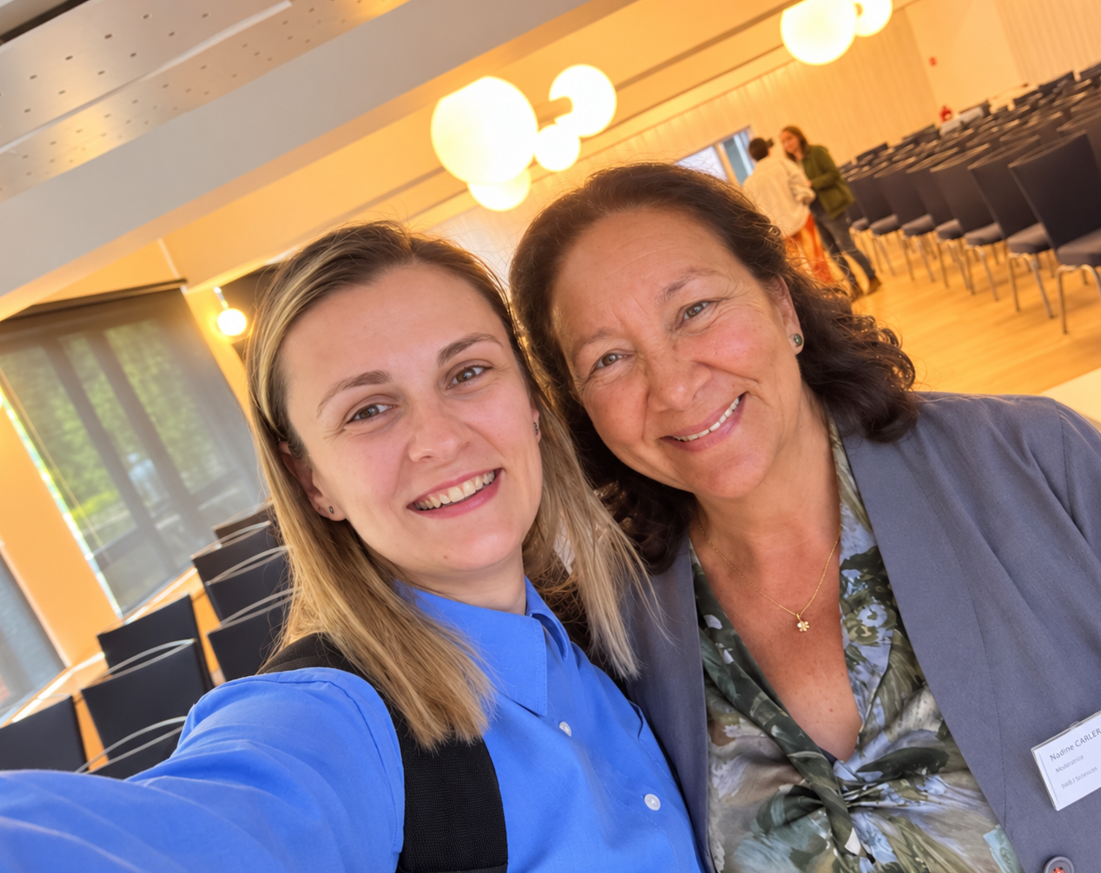
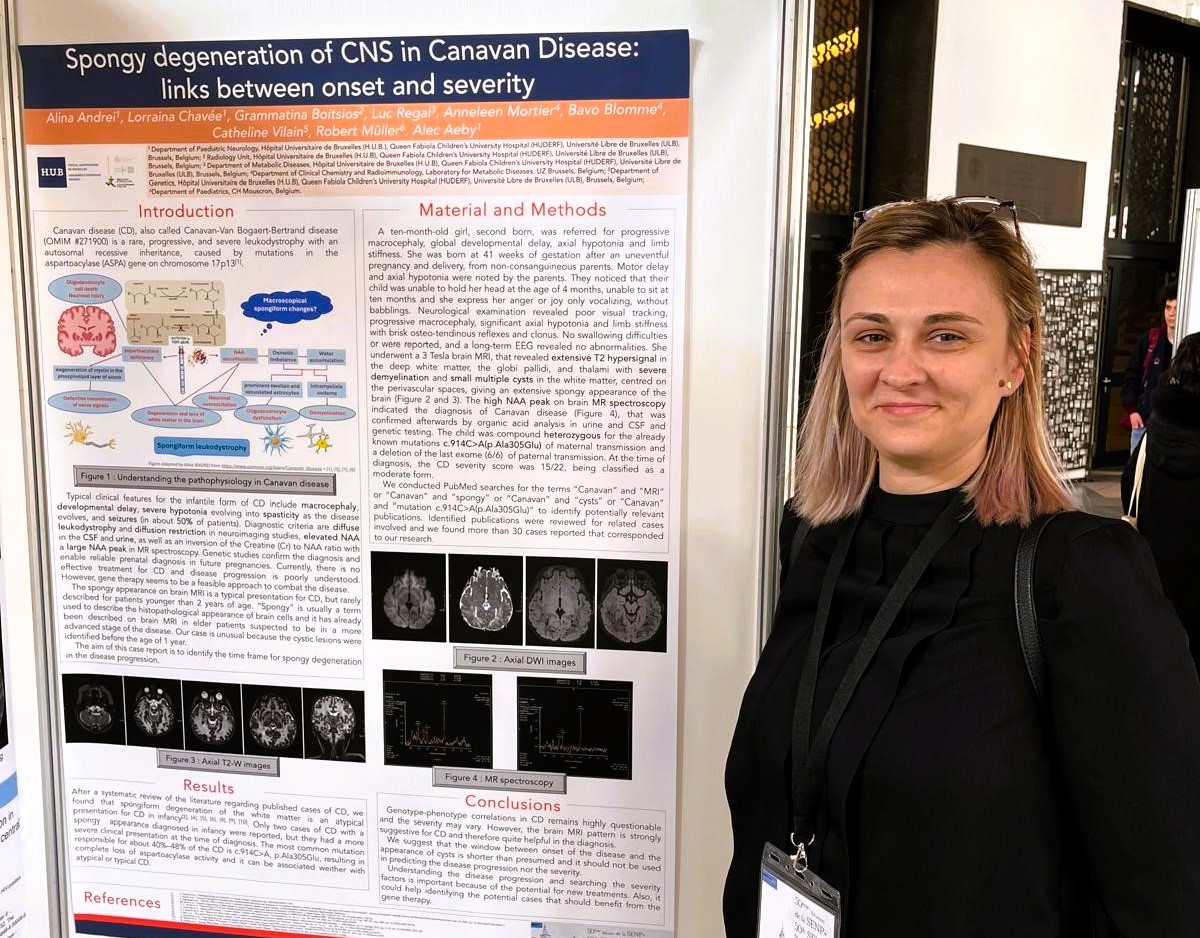
Several professionals contributed to its development alongside Professor André Kahn, including Dr José Groswasser, Dr Sonia Scaillet and Fabienne Modard. Their work helped make HUDERF a pioneering institution in this field. Today, this expertise continues under the responsibility of Dr Alina Andrei, a paediatric neurologist, within the Neuropaediatrics Department of H.U.B, headed by Professor Alec Aeby.
Understanding and preventing sudden infant death
During the early years, one question particularly engaged the teams: sudden infant death. Why do some apparently healthy babies die during sleep? Which children are at greater risk? How can these deaths be better understood and such tragedies prevented?
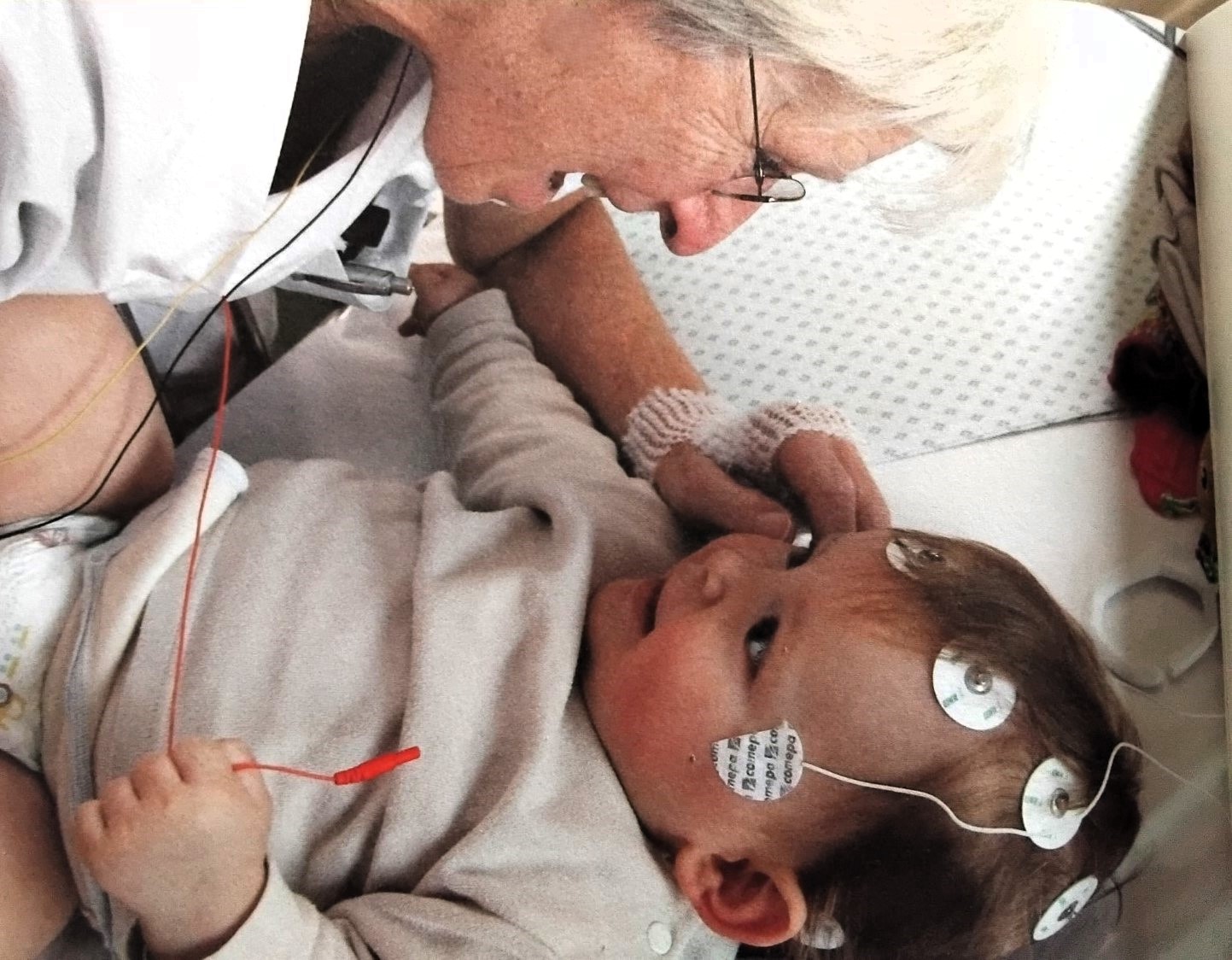
To answer these questions, the teams developed sleep recordings in infants and studied breathing, heart rate and apnoeas in particular. These examinations were especially intended for premature babies or those presenting certain risk factors.
Dr Sonia Scaillet and Fabienne Modard played an active role in this exploration of sleep. The research conducted around Professor André Kahn gradually contributed to a better understanding of infant sleep and the factors associated with sudden infant death. Elisabeth Rebuffat took part in work focusing on prevention, while psychologist Martine Sottiaux contributed to the team’s research and supported families confronted with these tragedies.
At the same time, the teams developed home cardiorespiratory monitoring for certain infants presenting particular risks. At the time, these devices played an important role in medical follow-up. However, research advances have made it possible to define their indications more precisely, while preventive recommendations, particularly those concerning infants’ sleeping position, have helped reduce mortality. Today, this monitoring is reserved for specific medical situations and is not considered a means of preventing sudden infant death.
This development illustrates one of the major advances in sleep medicine: gaining a better understanding of risks in order to offer examinations and monitoring only when they are necessary.


Sleep becomes a medical discipline in its own right
Over the years, the field of sleep medicine has expanded considerably. It is no longer limited to studying infants’ breathing, but now aims to understand sleep disorders at every stage of childhood and in a wide range of medical situations.
Advances in diagnostic investigations have notably improved the diagnosis of obstructive sleep apnoea, which can disrupt breathing during the night, as well as certain neurological disorders such as sleep-related epilepsies and periodic limb movements. The unit also cares for children with complex genetic, neurological or respiratory diseases, including rare conditions such as Ondine’s syndrome, which affects the automatic control of breathing.
This diversification has strengthened collaboration between disciplines. Paediatric neurologists, pulmonologists, ENT specialists, psychologists and specialised nurses compare their observations to understand the origin of the disorders and tailor care to each child.
In some children with neuromuscular diseases, the respiratory muscles may also become weaker during sleep. The development of non-invasive ventilation, which supports breathing without the need for intubation, has profoundly improved their care, particularly at night.
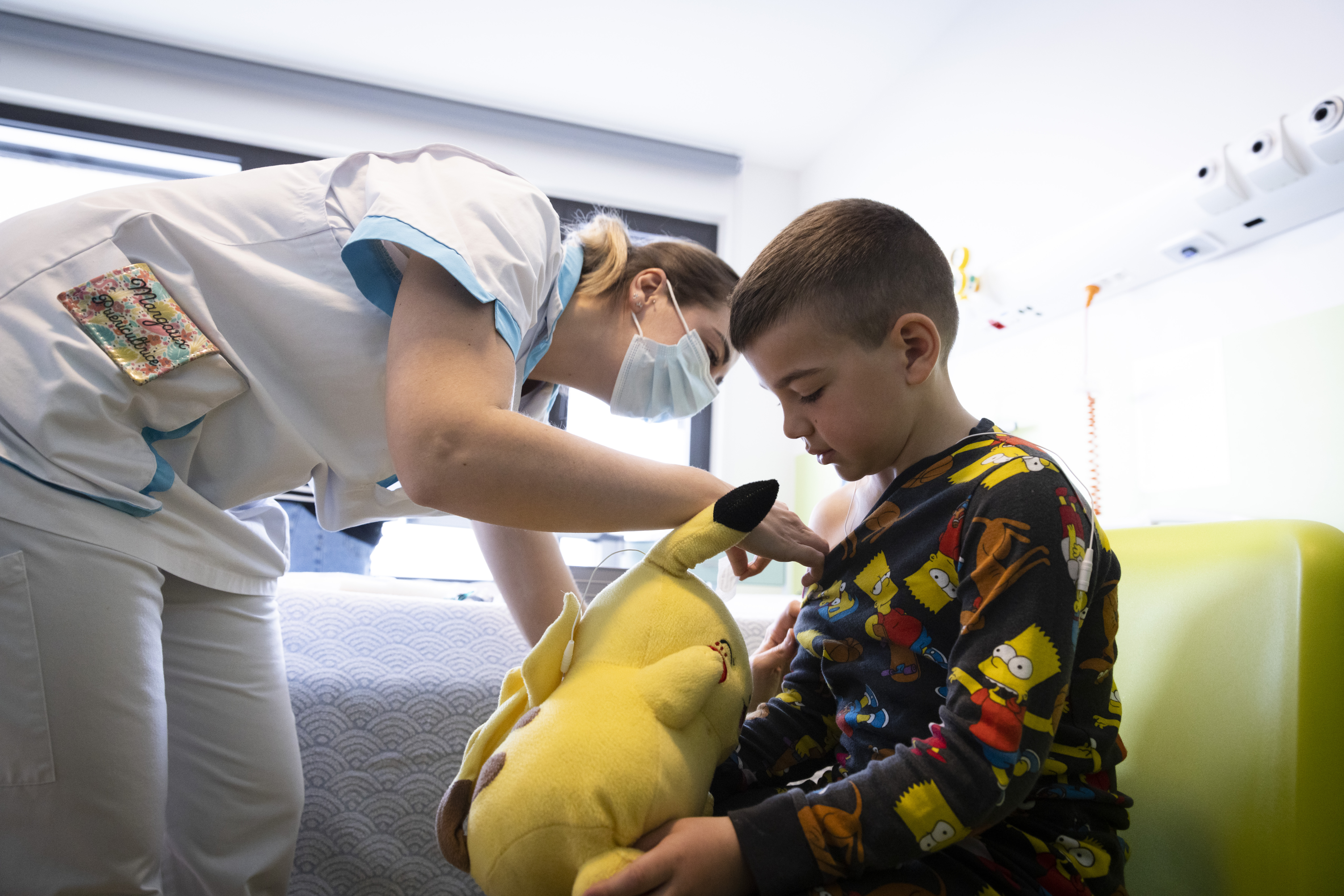
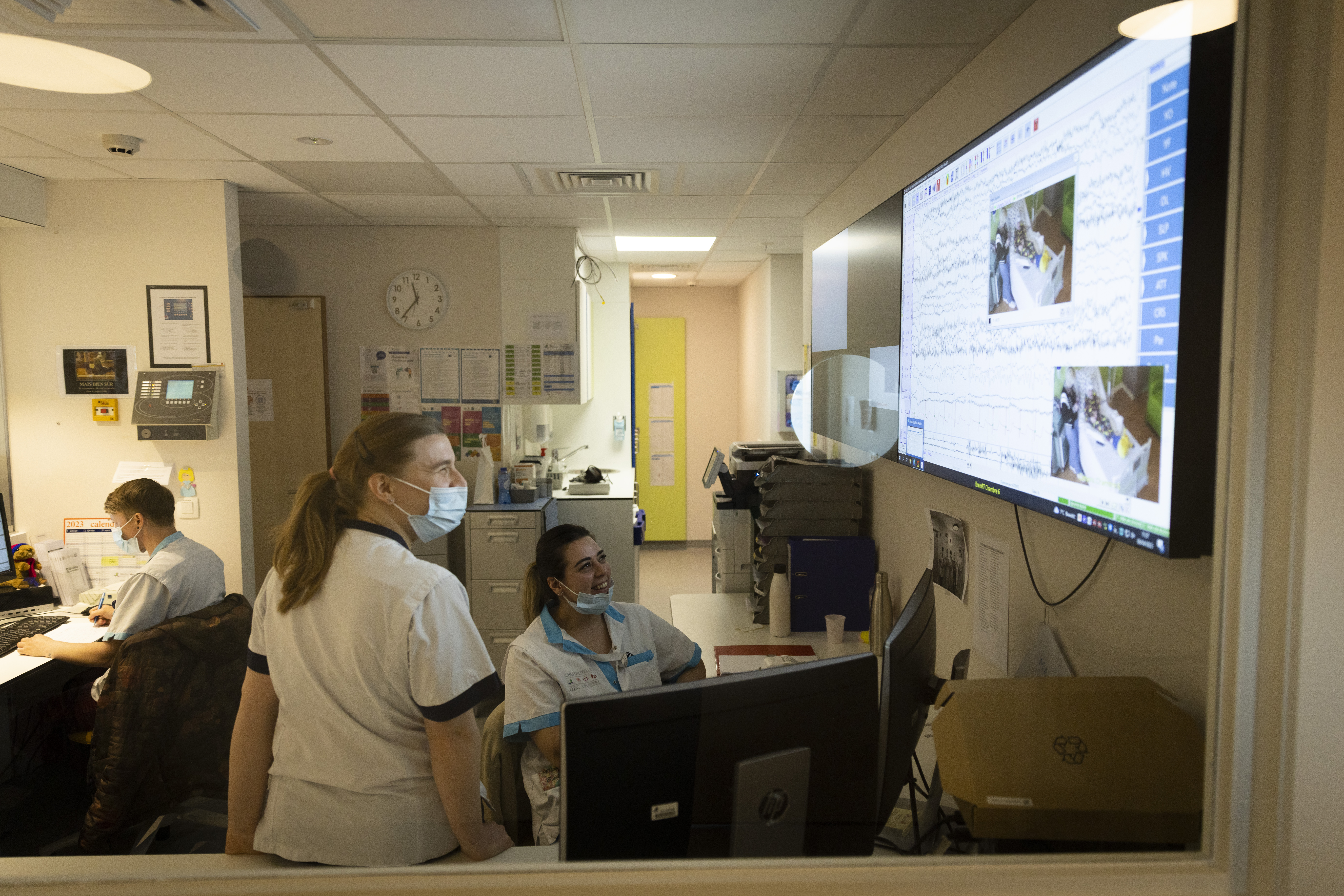
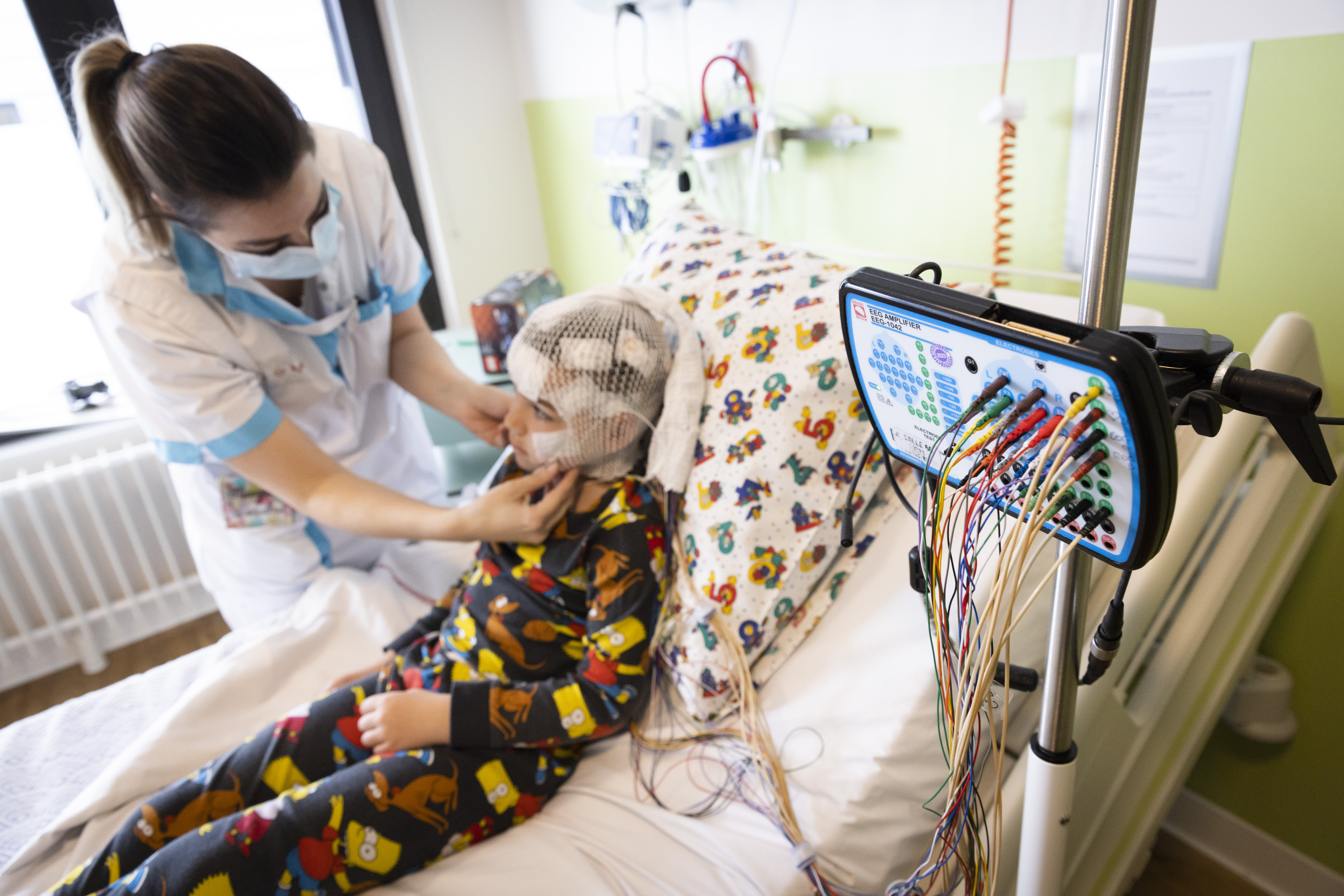
Diagnostic techniques have also progressed considerably. Today, polysomnography makes it possible to record several parameters simultaneously during sleep, including brain activity, breathing, heart rate and movements. This information helps specialists identify disorders that can be difficult to recognise during a standard consultation.
The longstanding connection between sleep and paediatric neurology was further strengthened by the creation, in 2020, of the Neuro-Epilepsy-Sleep Unit, bringing together, on the same ward, beds dedicated to sleep, epilepsy and paediatric neurology. The Sleep Unit thus retains its own expertise while benefiting from an environment suited to complex neurological investigations.
Not all sleep disorders are illnesses
Today, however, sleep consultations do not only concern rare or complex diseases. An important part of Dr Alina Andrei’s work also consists in distinguishing a genuine medical condition from a difficulty related to a child’s sleep rhythm or habits.
Difficulty falling asleep independently, repeated night-time awakenings, a constant need for a parent’s presence, irregular schedules or stopping naps too early can profoundly disrupt family life without necessarily requiring specialised medical investigations.
Sleep evolves with age. An infant’s needs are not the same as those of a five-year-old child or an adolescent. Some difficulties can be improved by adjusting schedules, bedtime routines or the environment in which the child sleeps.
Advances in sleep medicine have therefore also made it possible to target investigations more effectively. Polysomnography is valuable when it addresses a specific medical question, but it is not necessary for every difficulty falling asleep. Informing parents, respecting the sleep needs specific to each age and supporting families in their daily routines are now fully integrated into care.
Narcolepsy: when the disease is hidden behind fatigue
Some sleep disorders remain difficult to identify today. This is particularly true of narcolepsy, a neurological disease to which Dr Alina Andrei pays particular attention.
It can appear during childhood or adolescence. A young person who regularly falls asleep in class, seems constantly tired or has great difficulty staying awake may initially be considered unmotivated or simply an adolescent who does not get enough sleep. Yet these signs may reveal a disruption of the brain mechanisms that regulate the alternation between sleep and wakefulness. Diagnosis may therefore be delayed, and teachers are sometimes among the first to notice unusual daytime sleepiness.
Depending on the individual’s needs, treatment currently combines medication, regular sleep schedules and planned naps, which help to control sleepiness during the day. Although current treatments cannot cure the disease, an appropriate diagnosis and medical, family and school support can considerably improve the daily lives of these young patients.
Our nights have also changed over the past forty years
Although medical knowledge has progressed considerably, the environment in which children sleep has also changed.
The arrival of smartphones, tablets and social media has profoundly changed the habits of children and adolescents. Screens can delay bedtime, extend evenings and gradually reduce the length of the night. In adolescents, whose biological rhythms already favour later sleep onset, these habits can worsen sleep deprivation.
Specialists also take greater account of the links between sleep, attention, learning, neurodevelopmental disorders and psychological health. Insufficient sleep can aggravate certain difficulties, while anxiety or other disorders can, in turn, disrupt sleep.
The contemporary challenge is therefore no longer only to understand what happens during sleep, but also to help children and their families preserve sufficient time for it in their daily lives.
From the first research devoted to infant sleep to current investigations into respiratory, neurological and behavioural disorders, paediatric sleep medicine has evolved profoundly at the Children’s Hospital.
The expertise developed by Professor André Kahn, Dr José Groswasser, Dr Sonia Scaillet and their teams is continued today by Dr Alina Andrei, through an increasingly precise and multidisciplinary approach. The progress made not only enables diseases to be diagnosed more accurately, but also helps identify situations in which family support is sufficient.
Forty years after the first studies, the objective remains the same: to understand sleep better in order to support children more effectively in their development. For behind these hours of rest lie mechanisms that are essential to their health, learning and well-being.
Sleep Unit: Neuropaediatrics | Queen Fabiola Children’s University Hospital