
Simulation MRI at the Children’s Hospital: preparing children more effectively
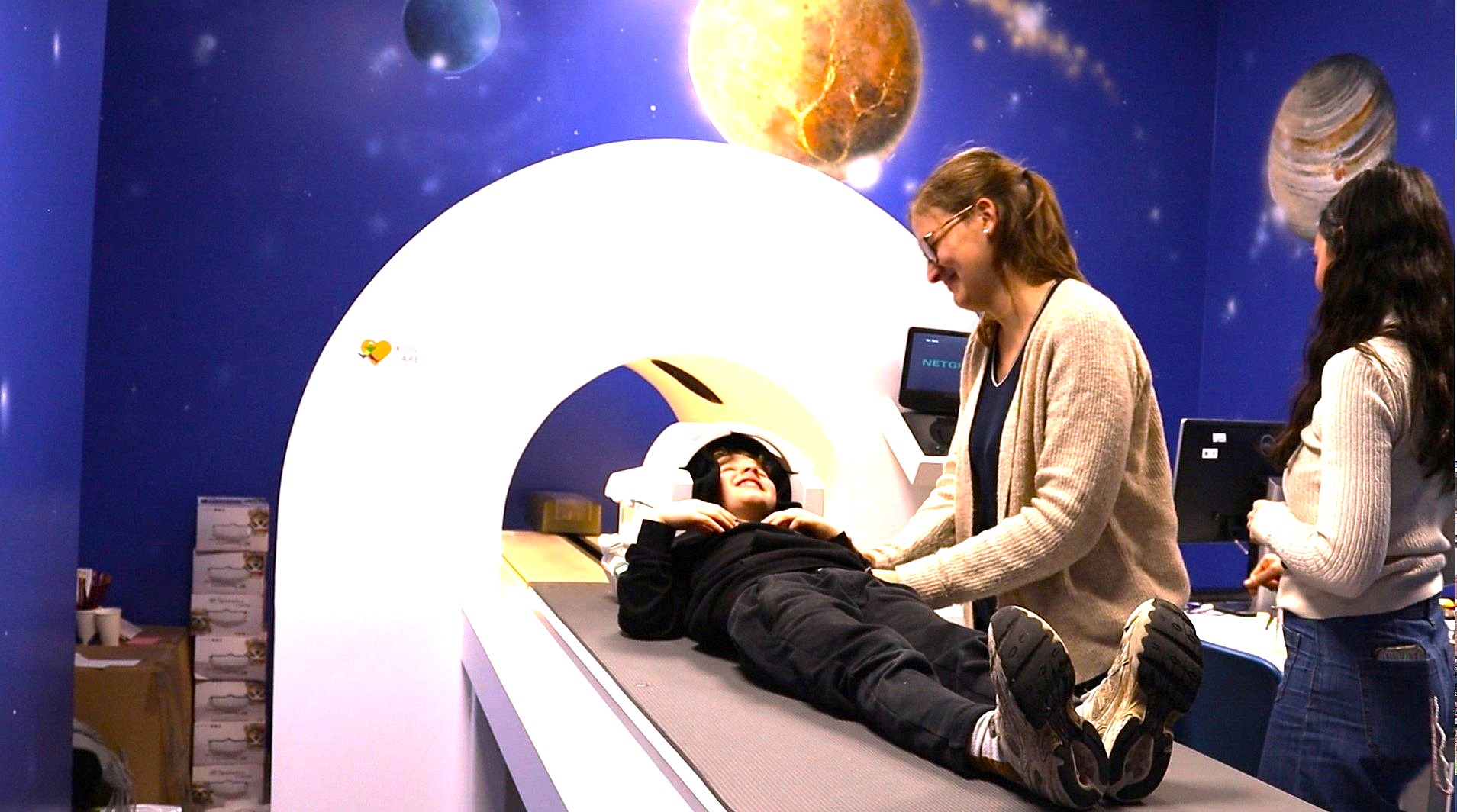
At the Queen Fabiola Children’s University Hospital (HUDERF), an innovative initiative has been developed to improve the experience of children undergoing an MRI scan: the simulation MRI.
IRM de simulation Hôpital Universitaire des Enfants Reine Fabiola (HUDERF)
This project was created through close collaboration between the Department of Medical Imaging and the Psychology Department of the baby–child–adolescent sector of the H.U.B. Its aim is to support children and their families when facing an examination that can often be intimidating, ensuring it takes place under the best possible conditions.
Why prepare children for an MRI?
An MRI scan is an essential examination, but it can be a source of stress for children. The machine is large, the tunnel is narrow, the noise is significant, and it is necessary to remain completely still for several minutes.
Even slight movement can affect image quality and complicate the examination. For younger children, this may sometimes require sedation.
Preparing children in advance helps them anticipate these constraints, reduces anxiety and improves the overall experience of the scan.
A child-centred approach
The originality of this preparation lies in a holistic approach that aims to make the child an active participant in their care.
Children are supported in understanding what will happen, why the examination is needed and how it will take place. This strengthens trust, reduces stress and creates a genuine partnership between the child, their family and the healthcare teams.
This preparation goes beyond the MRI itself and also provides children with reference points and tools that can be useful in other medical situations.
How does the preparation work?
The preparation is mainly intended for children aged 6 and above, with adaptations depending on individual needs. Ideally, it takes place a few days before the examination, allowing time for gradual familiarisation.
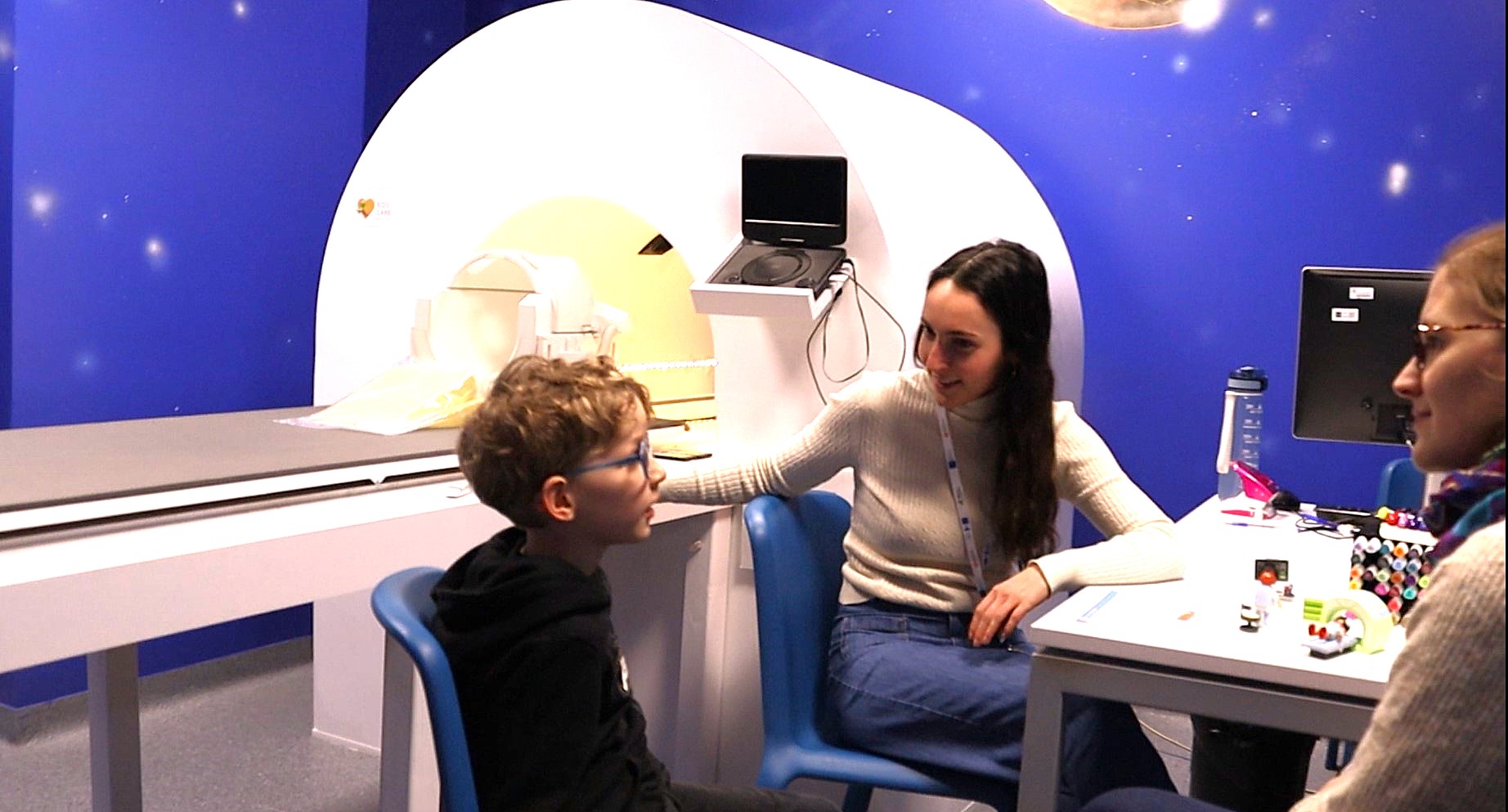
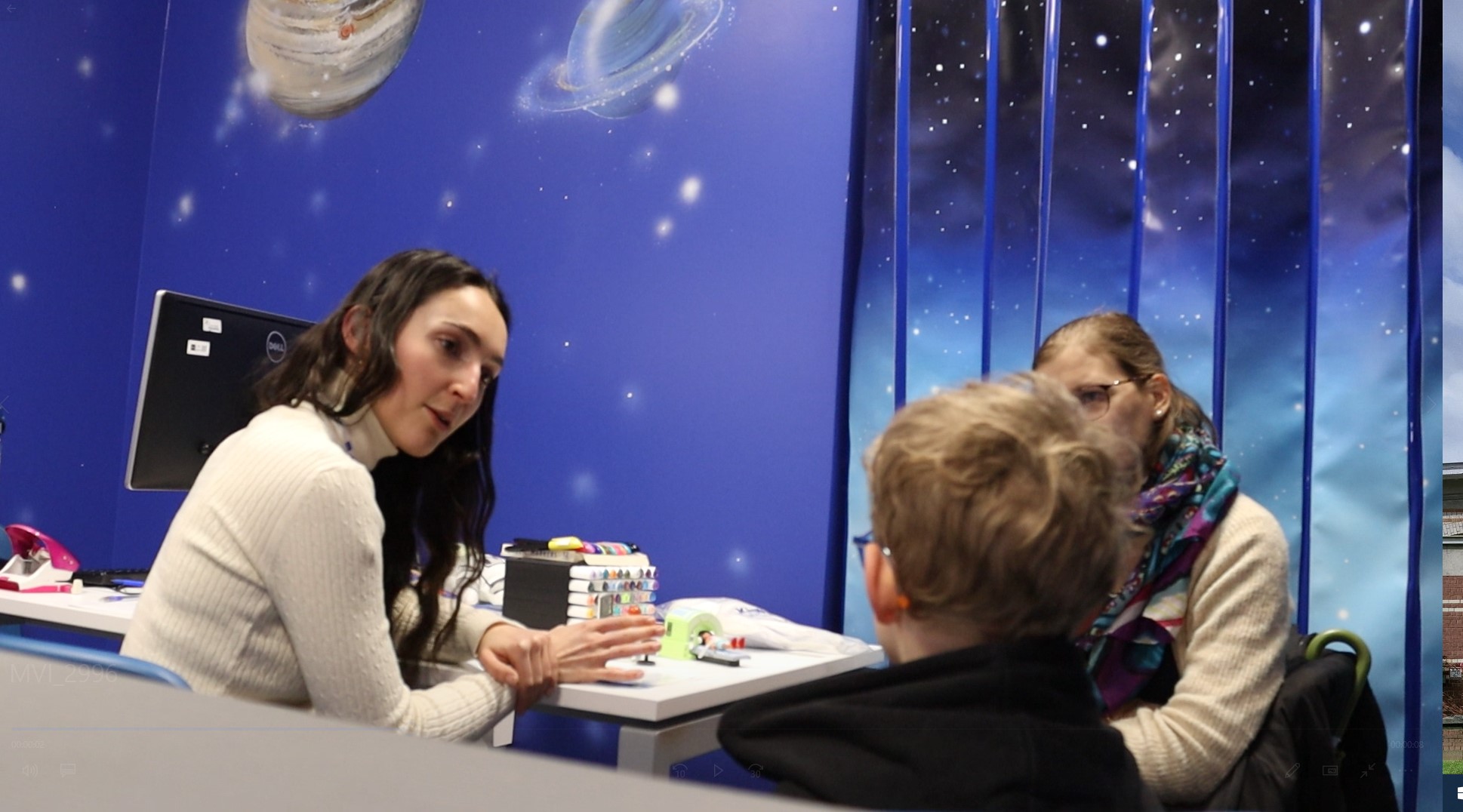
It includes several complementary steps. First, the child receives age-appropriate explanations and can ask questions. The different aspects of the scan, such as the noise and procedure, are then introduced in a playful and engaging way.
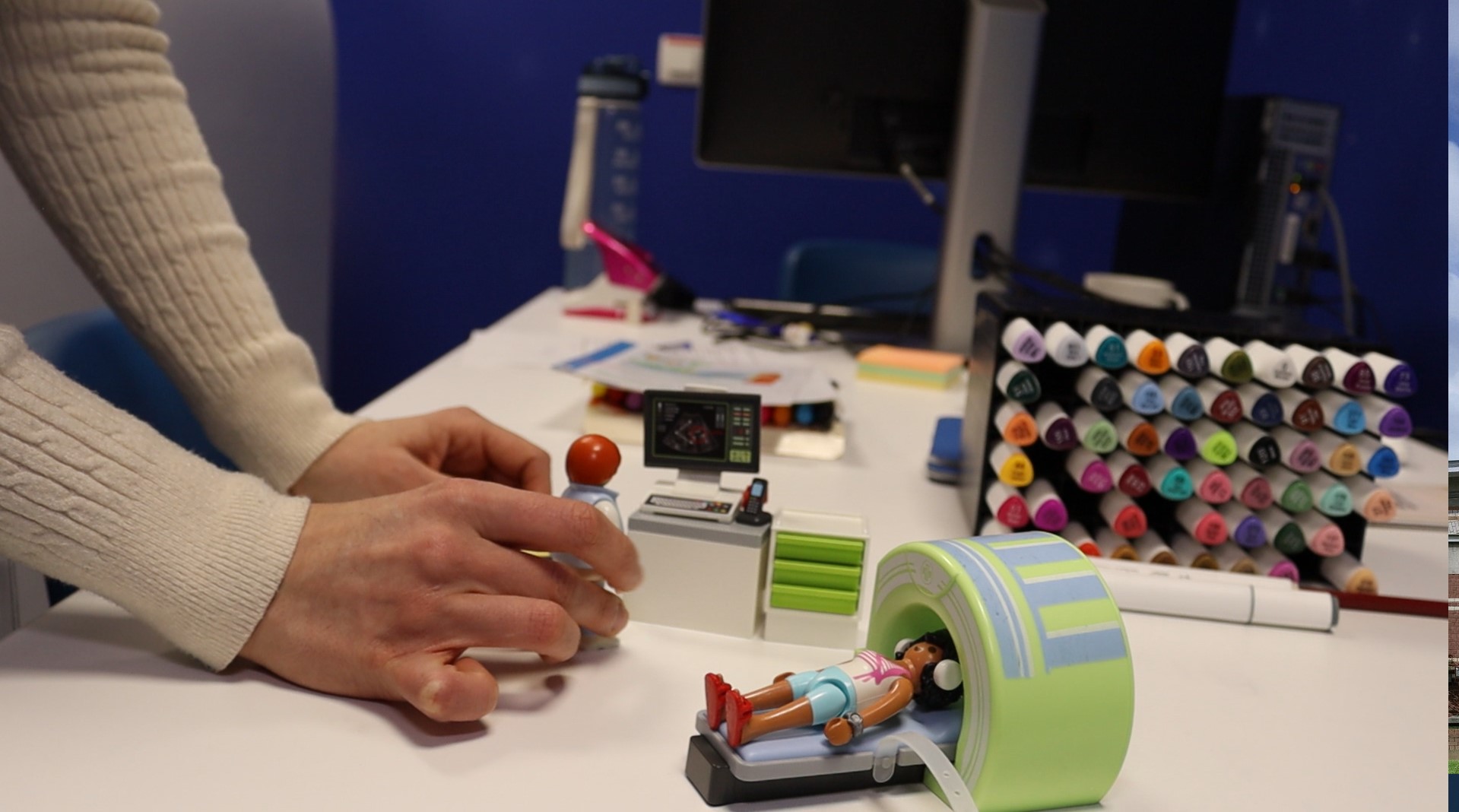
Children also have the opportunity to try a simulation MRI, which reproduces real examination conditions. This helps them become familiar with the environment, sensations and expectations.
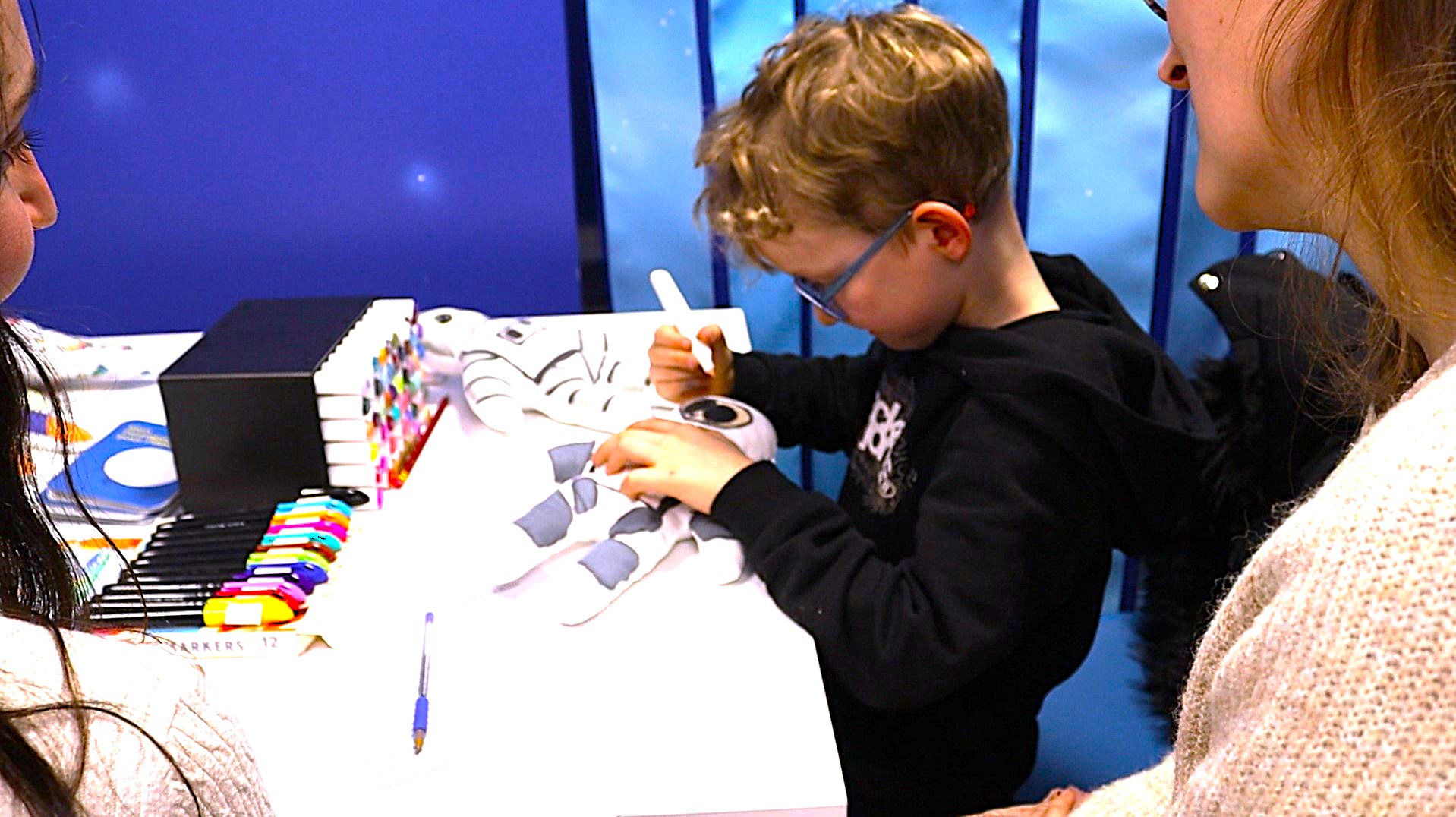
Work is also done around emotions, helping children identify how they feel and use their own coping strategies. Creative tools are used, including the Kiwanis doll for younger children and adapted supports for adolescents.
Immersion in a reassuring world
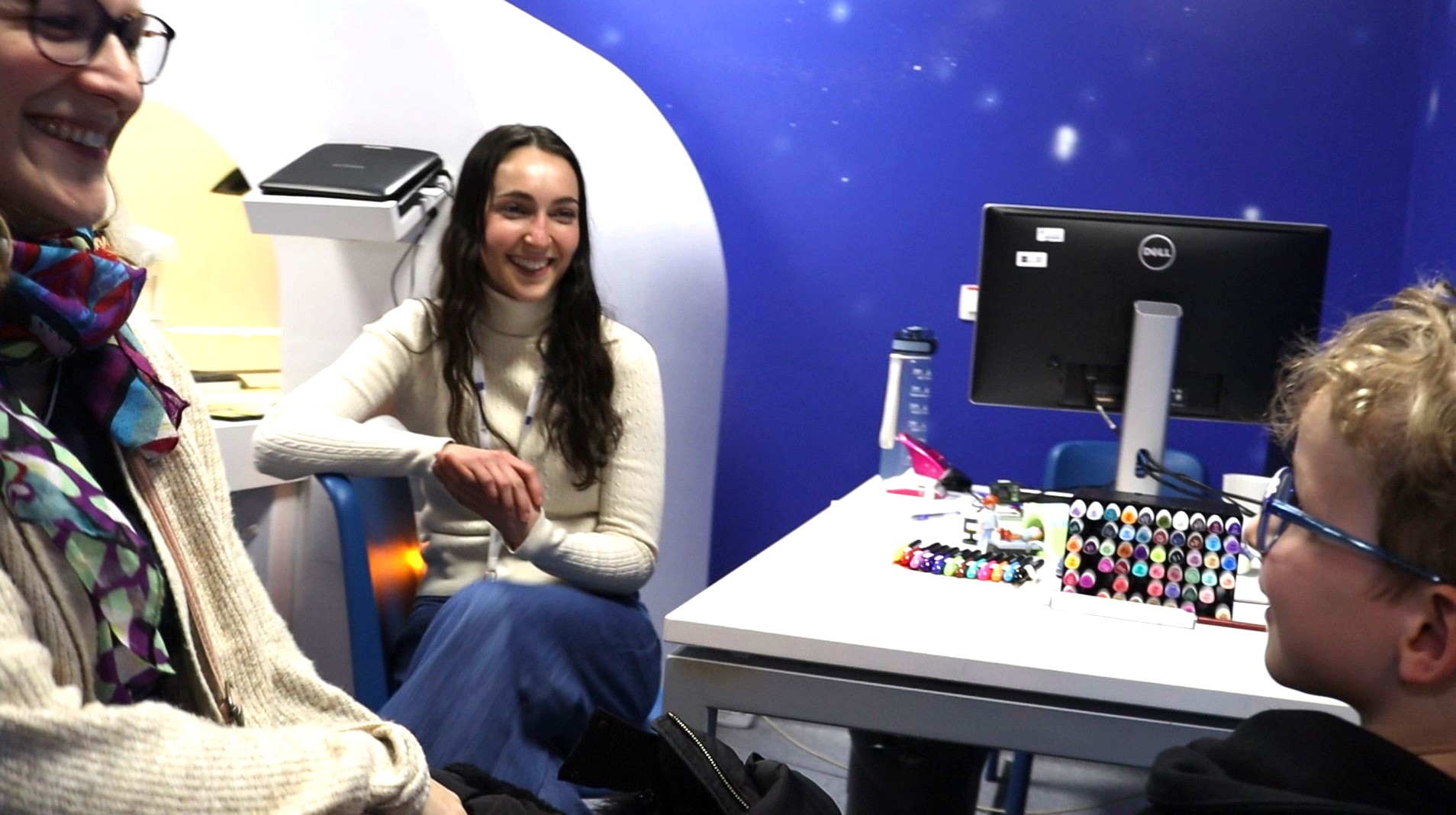
The preparation is built around a common theme: space. Children are invited to imagine that they are going on a space mission.
This approach transforms the examination into a more understandable and less anxiety-provoking experience. On the day of the MRI, children recognise familiar elements, which helps reassure them.
Learning to manage stress
Between the preparation and the examination, children can practise managing their stress using techniques such as relaxation, visualisation and exercises to remain still.
These tools help them cope better with the scan and feel more in control of the situation.
A key role for parents
Parents are also given the opportunity to ask questions and receive support if needed. Their presence and involvement play an important role in the child’s experience.
Calmer children, smoother care
Following this preparation, children arrive calmer and more confident. They are better prepared for the examination and may bring a comforting object, such as a soft toy.
For healthcare teams, this results in smoother examinations and improved working conditions.
An approach supporting the care pathway
The simulation MRI is part of a broader effort to improve the care pathway for children. By giving them the tools to understand and experience medical procedures, this approach helps make the hospital more accessible, more human and more reassuring.
Service Psychologie secteur Bébé, Enfants et Adolescents
Un grand merci au soutien de KIDS'CARE