
40 years of hearing innovation at the Children's Hospital (HUDERF)
Since opening its doors in 1986, the Children's Hospital (HUDERF) has cared for generations of children with hearing disorders. Over the past forty years, paediatric ear, nose and throat (ENT) care has undergone remarkable progress. Conditions that were once diagnosed only after causing significant delays in language development and lasting disabilities can now be detected within the first days of life and treated with therapies that profoundly change children's lives.

1986: A new approach to paediatric care
When the Children's Hospital (HUDERF) opened its doors in 1986, it became Belgium's first university hospital entirely dedicated to children and adolescents.
From the outset, the ENT department embraced this pioneering vision: delivering care tailored to the specific needs of children while bringing together, under one roof, all the expertise required to support them.
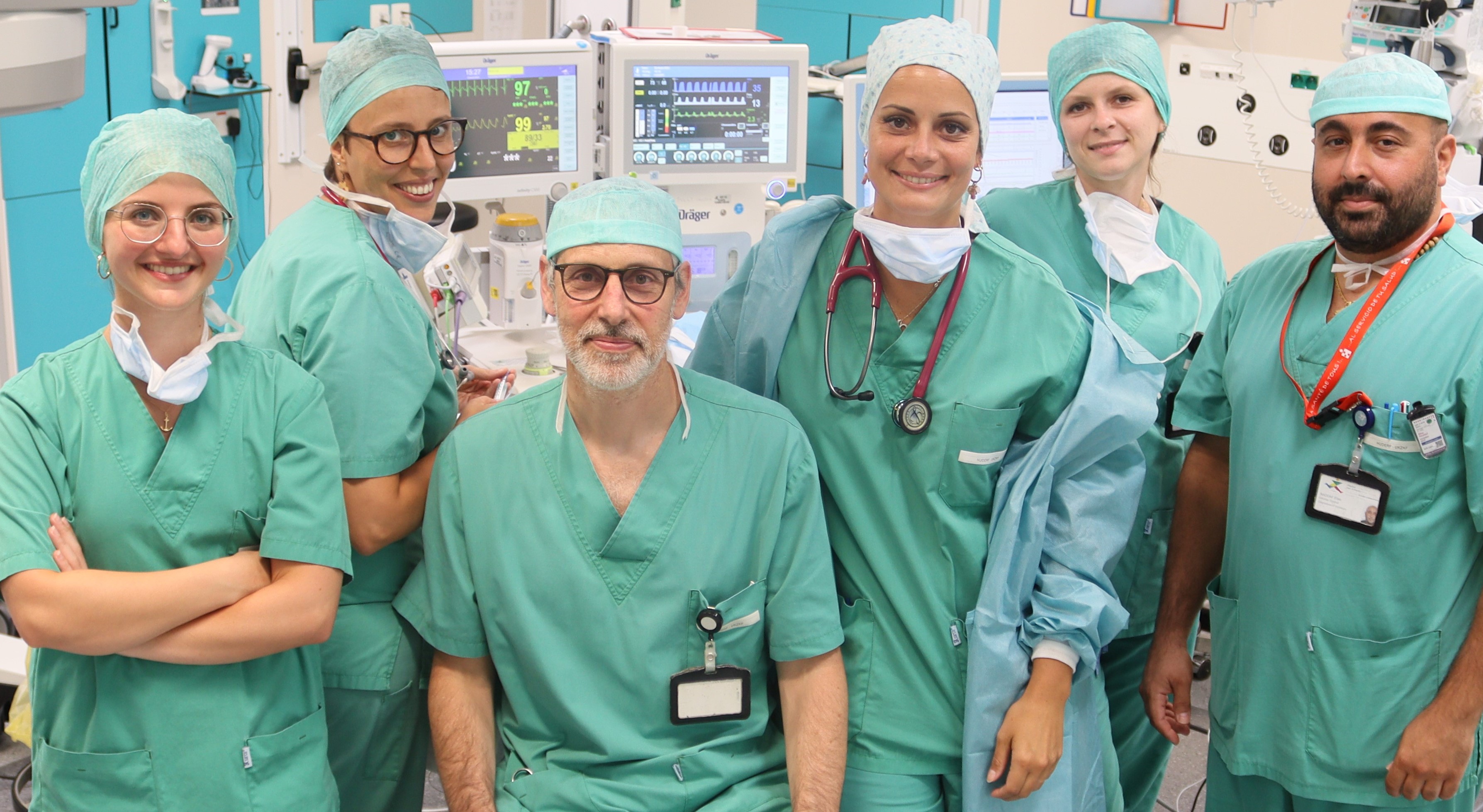
Over the decades, this multidisciplinary approach has continued to grow. Today, ENT specialists work closely with audiologists, speech and language therapists, psychologists, clinical geneticists, paediatricians, anaesthetists and many other specialists. This close collaboration remains one of the department's greatest strengths, enabling every child to receive comprehensive, personalised care that reflects their individual needs and stage of development.
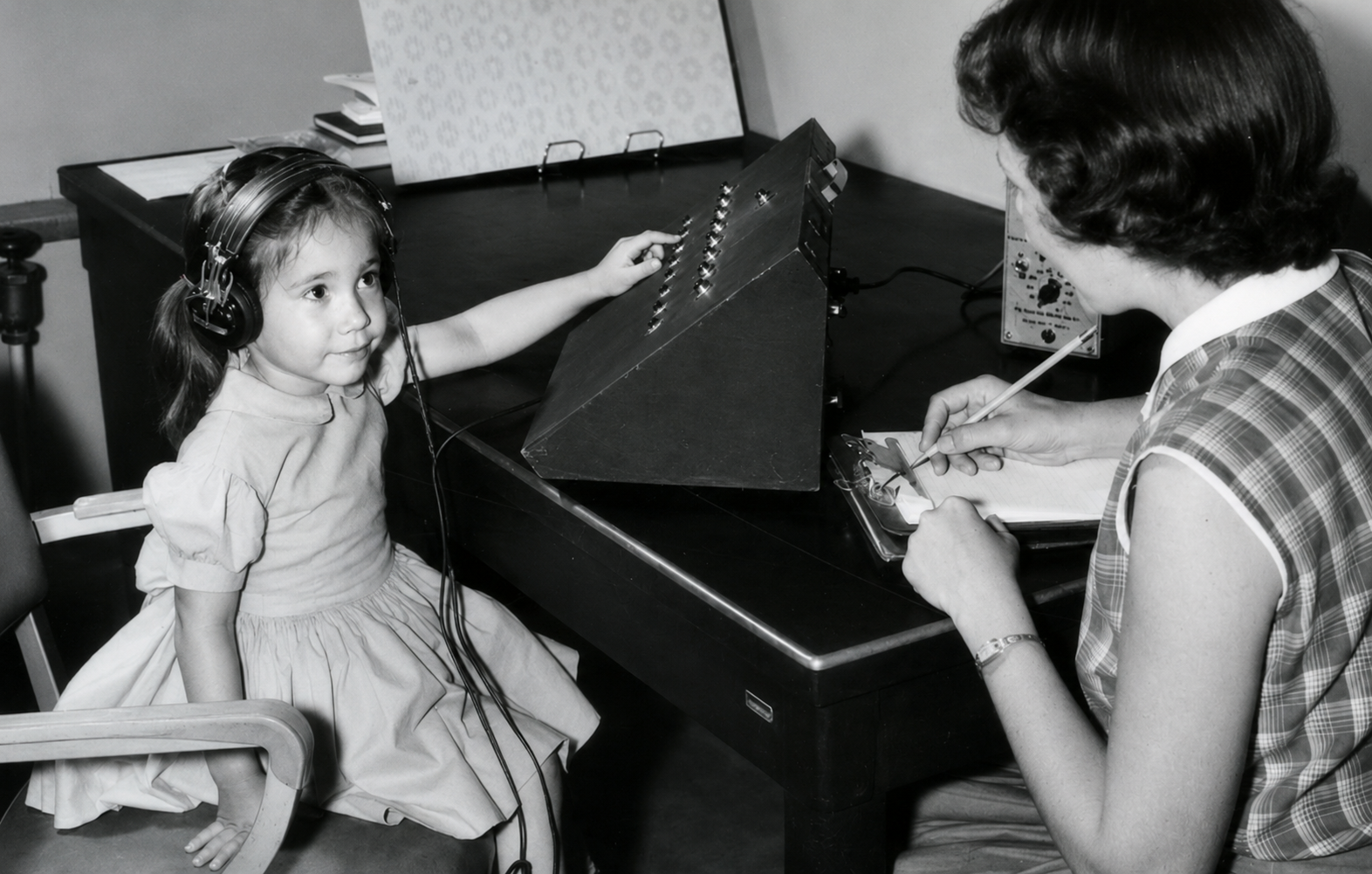
At the same time, advances in screening, diagnosis and treatment have transformed the outlook for children with hearing impairment. In the past, hearing loss was often diagnosed only after a child had already developed speech and language delays or experienced learning difficulties. Treatment options for severe and profound hearing loss were also far more limited.

The revolution of early hearing screening
One of the greatest advances of the past forty years has undoubtedly been the introduction of universal newborn hearing screening.
Today, every newborn undergoes a hearing test within the first days of life. Using otoacoustic emissions (OAE) and, where necessary, auditory brainstem response (ABR) testing, healthcare teams can detect hearing impairment at a very early stage.
This development has fundamentally changed the outlook for children.
"The earlier hearing loss is diagnosed and managed, the greater a child's chances of developing language and cognitive skills that are close to those of their hearing peers," explains Dr Oren Cavel, Head of the Paediatric ENT Unit since 2020.
Early intervention is crucial. The first years of life represent a critical period for the development of the auditory brain. If a child is not exposed to sound during this time, the consequences for language development, communication and learning can be significant.

Cochlear implants: a revolution that has transformed lives
If one innovation were to symbolise the progress made over the past forty years, it would undoubtedly be the cochlear implant.
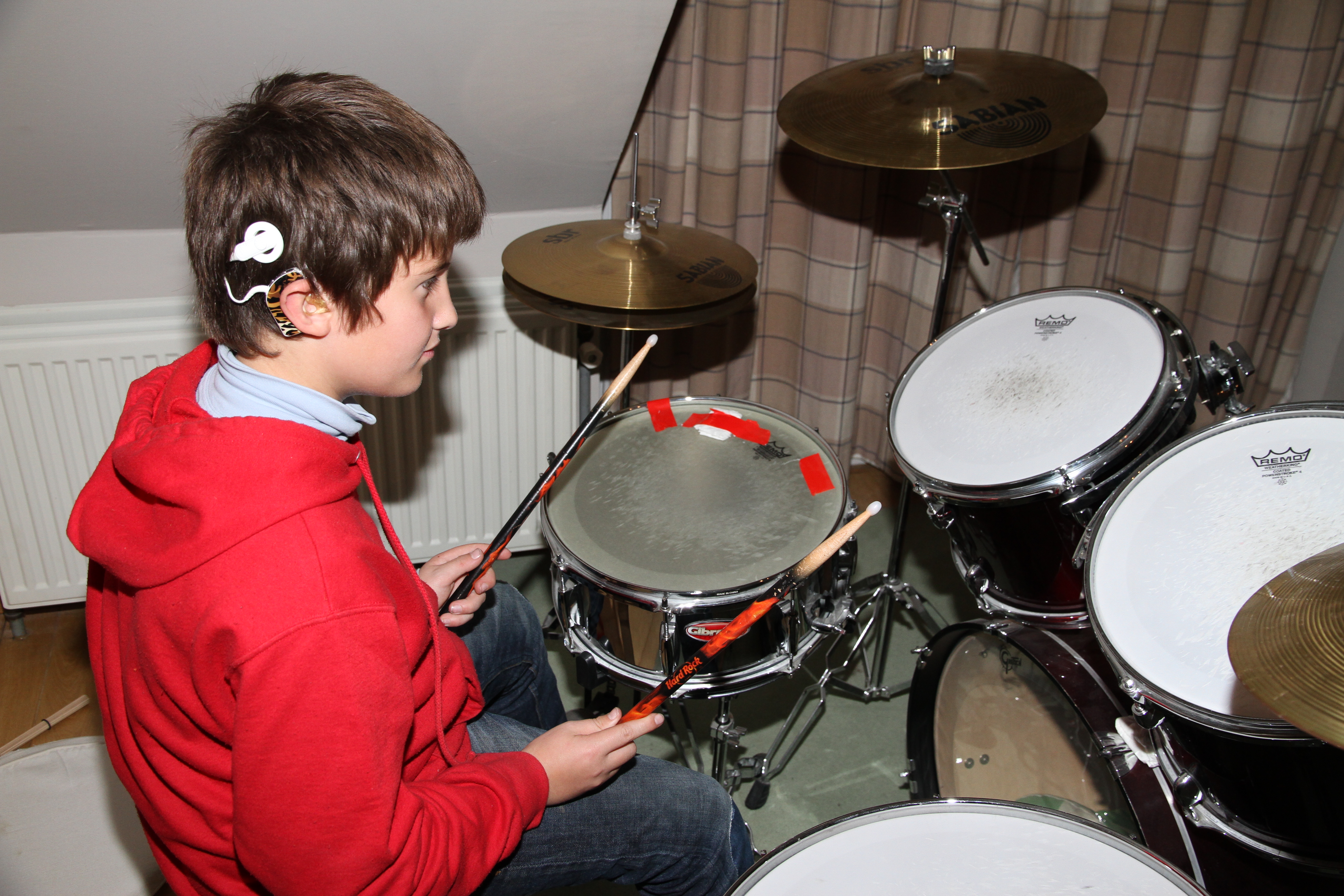
In the 1980s, the first cochlear implants – still bulky and available only to a small number of children with profound hearing loss – marked the beginning of a new era. For the first time, children who had previously been unable to access the world of sound were given the opportunity to hear.
At the Children's Hospital (HUDERF), several clinicians played a key role in developing this expertise. Among them was Dr Anne-Laure Mansbach, a longstanding figure within the department, who made a major contribution to the development of paediatric cochlear implantation, helping to establish it as one of the department's defining areas of expertise.
Progress was rapid.
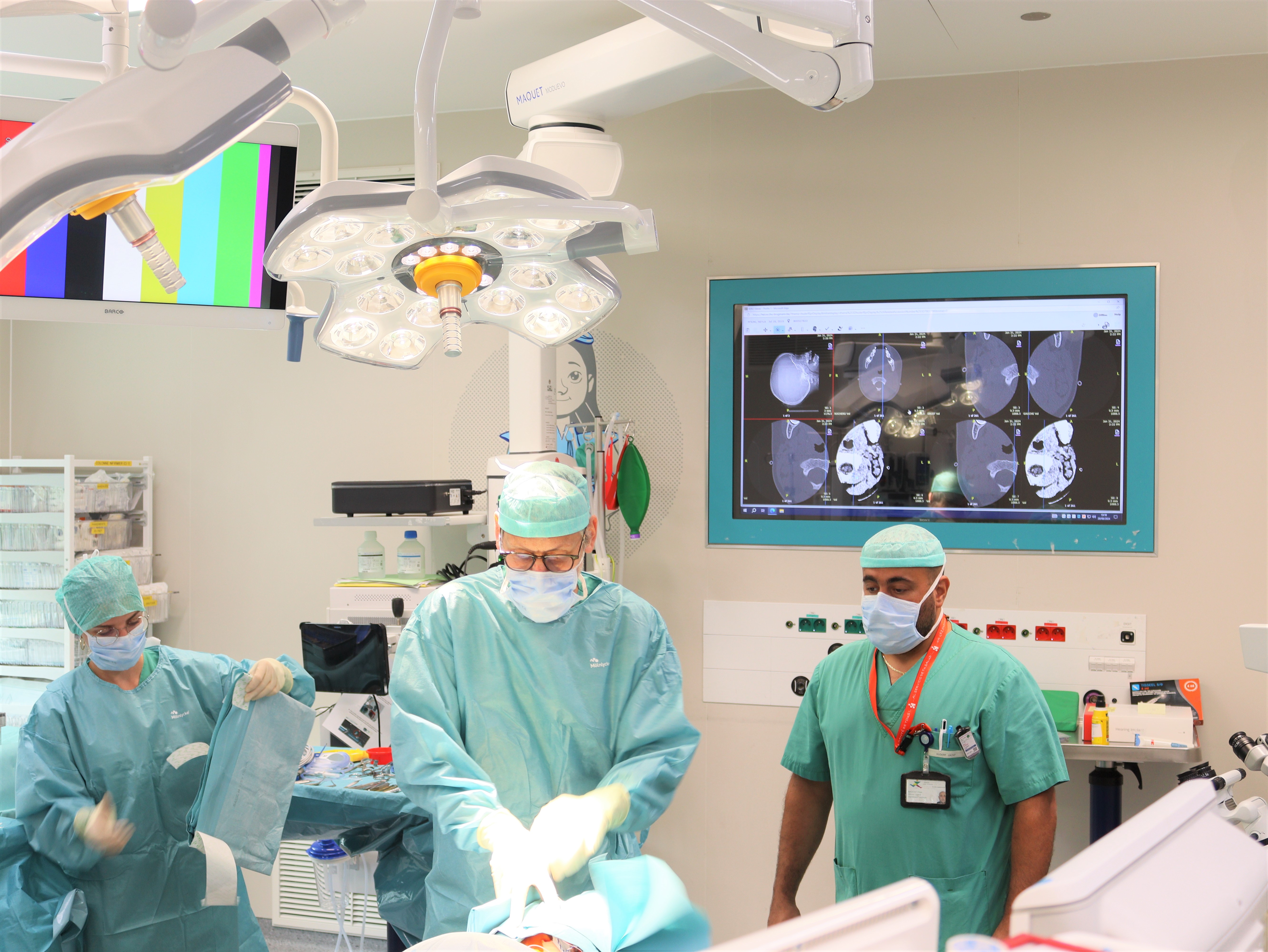
Throughout the 1990s, cochlear implantation gradually became available to an increasing number of children with profound hearing loss. Over the years, the age at implantation decreased, surgical techniques became more refined, and outcomes improved dramatically.
Today, some children can receive a cochlear implant during their first year of life.
The aim is not simply to restore hearing, but to give the developing brain the opportunity to build the neural pathways essential for language acquisition.
Thanks to this early intervention, many children with cochlear implants are able to attend mainstream schools and develop communication skills comparable to those of their hearing peers.


Care that goes far beyond surgery
At the Children's Hospital (HUDERF), cochlear implantation is just one step in a much broader journey of care.
Every child is supported by a multidisciplinary team that brings together ENT specialists, audiologists, speech and language therapists, psychologists, neurophysiologists, clinical geneticists and paediatricians.
The pre-implant assessment has become increasingly sophisticated. In addition to evaluating hearing, the team assesses the anatomy of the ear, the child's neurological development, any underlying genetic or infectious causes of hearing loss, and the most appropriate treatment options.
This multidisciplinary approach, developed and refined over the past forty years, has become one of the defining features of paediatric ENT care at the Children's Hospital (HUDERF).
A better understanding of the causes of hearing loss
Medical knowledge has also advanced considerably.
Forty years ago, the cause of many cases of hearing loss remained unknown.
Today, genetic testing can identify an increasing number of inherited causes of hearing loss. Clinicians also have a much better understanding of the role played by certain infections, such as cytomegalovirus (CMV), now recognised as one of the leading causes of acquired hearing loss in children.
Vaccination has also helped reduce hearing loss associated with serious infections, including bacterial meningitis.
These advances not only improve treatment but also enable families to benefit from more accurate diagnoses, better genetic counselling and increasingly personalised care.
Technology continues to evolve
Technological innovation has extended well beyond cochlear implants.
Today's hearing aids bear little resemblance to those of the 1980s.
Smaller, more powerful and far more precise, they can now be connected to smartphones. Settings can be adjusted remotely, while certain data can be transmitted directly to the clinical team.
This combination of miniaturisation and digital technology has significantly improved both children's comfort and the long-term monitoring of their hearing.
Since 2020, Dr Oren Cavel has continued to build on the work of previous generations, further developing innovative diagnostic and therapeutic approaches.
The future: restoring hearing through gene therapy?
While cochlear implants have defined the past forty years, gene therapy may well shape the next forty.
International clinical trials are currently exploring whether missing genes can be delivered directly into the inner ear to restore natural hearing in children with specific forms of inherited hearing loss.
Although these approaches remain experimental, they offer possibilities that would have seemed like science fiction when the Children's Hospital (HUDERF) first opened its doors in 1986.
Forty years of opening the world to children
Over the past four decades, paediatric ENT has undergone a remarkable transformation.
From universal newborn hearing screening to cochlear implants, and from advances in genetics to the promise of gene therapy, every breakthrough has pursued the same goal: enabling children to communicate, learn and thrive to their full potential.
Oto-rhino-laryngologie ORL pédiatrique | Hôpital Universitaire des Enfants Reine Fabiola
Implants cochléaires | Hôpital Universitaire des Enfants Reine Fabiola