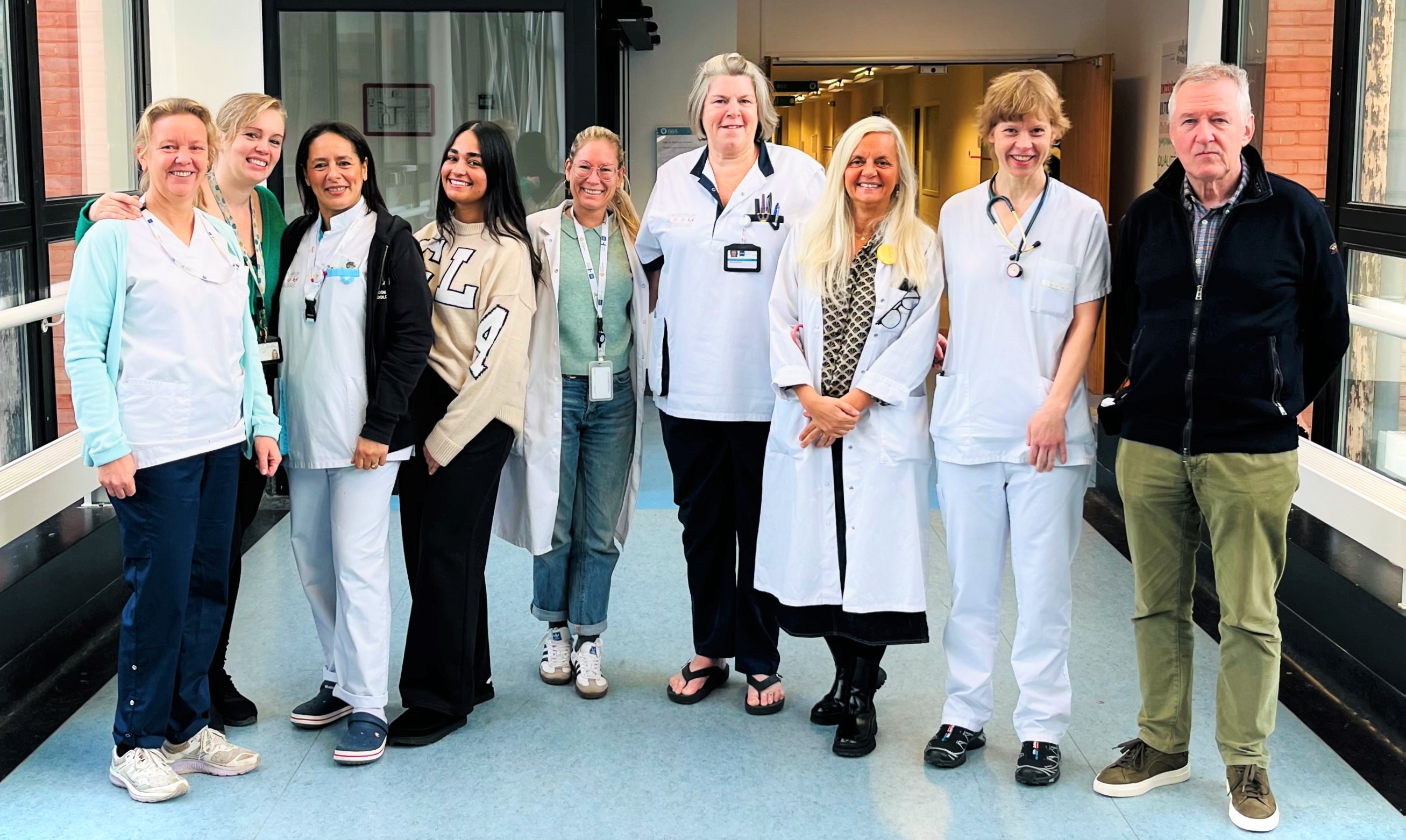

40 years of progress in paediatric pneumology and allergology at the Children’s Hospital
From the identification of the gene responsible for Mucoviscidosis in 1989 to the advent of targeted treatments, and from advances in asthma management to progress in allergy diagnosis, paediatric pneumology-allergology has undergone profound changes over the past 40 years.

From breathing better to living better
Asthma, allergies, mucoviscidosis and rare respiratory diseases: over the past forty years, the way in which respiratory diseases in children are understood and treated has changed profoundly. When the Queen Fabiola Children’s University Hospital (HUDERF) opened its doors in 1986, paediatric pneumology was still a young discipline. Doctors were able to recognise many diseases and relieve their symptoms, but had far fewer tools to understand their mechanisms precisely.
Forty years later, respiratory investigations, genetics, immunology and targeted treatments have brought the specialty into the era of personalised medicine. This development has changed the daily lives of thousands of children: asthma is better controlled, allergies are characterised with greater precision and mucoviscidosis, once associated with a very limited life expectancy, is undergoing a genuine therapeutic revolution. At HUDERF, this history has unfolded in step with scientific discoveries, notably under the impetus of Professor Georges Casimir, followed by Professor Laurence Hanssens, currently Director of the Paediatric Pneumology-Allergology Clinic at H.U.B.
1986: recognising that a child’s lungs are different
At the beginning of the 1980s, paediatric pneumology was only just beginning to establish itself as a specialty in its own right in Europe. For a long time, respiratory diseases in children were approached on the basis of knowledge developed in adults. Yet a child’s lungs grow, their immune system develops and diseases do not necessarily manifest themselves in the same way. When HUDERF opened in 1986, the creation of a dedicated paediatric pneumology department reflected this development: children could no longer be regarded as “small adults” for whom treatments merely needed to be adapted.
At that time, the available tools were still relatively limited. Bronchoscopies were performed using rigid instruments, in particular, while in allergology, skin tests and the first biological analyses made it possible to identify certain allergies without yet understanding their full complexity. Diagnosis therefore relied largely on clinical examination, observation of the child and the doctor’s experience.
The 1990s: measuring to understand better
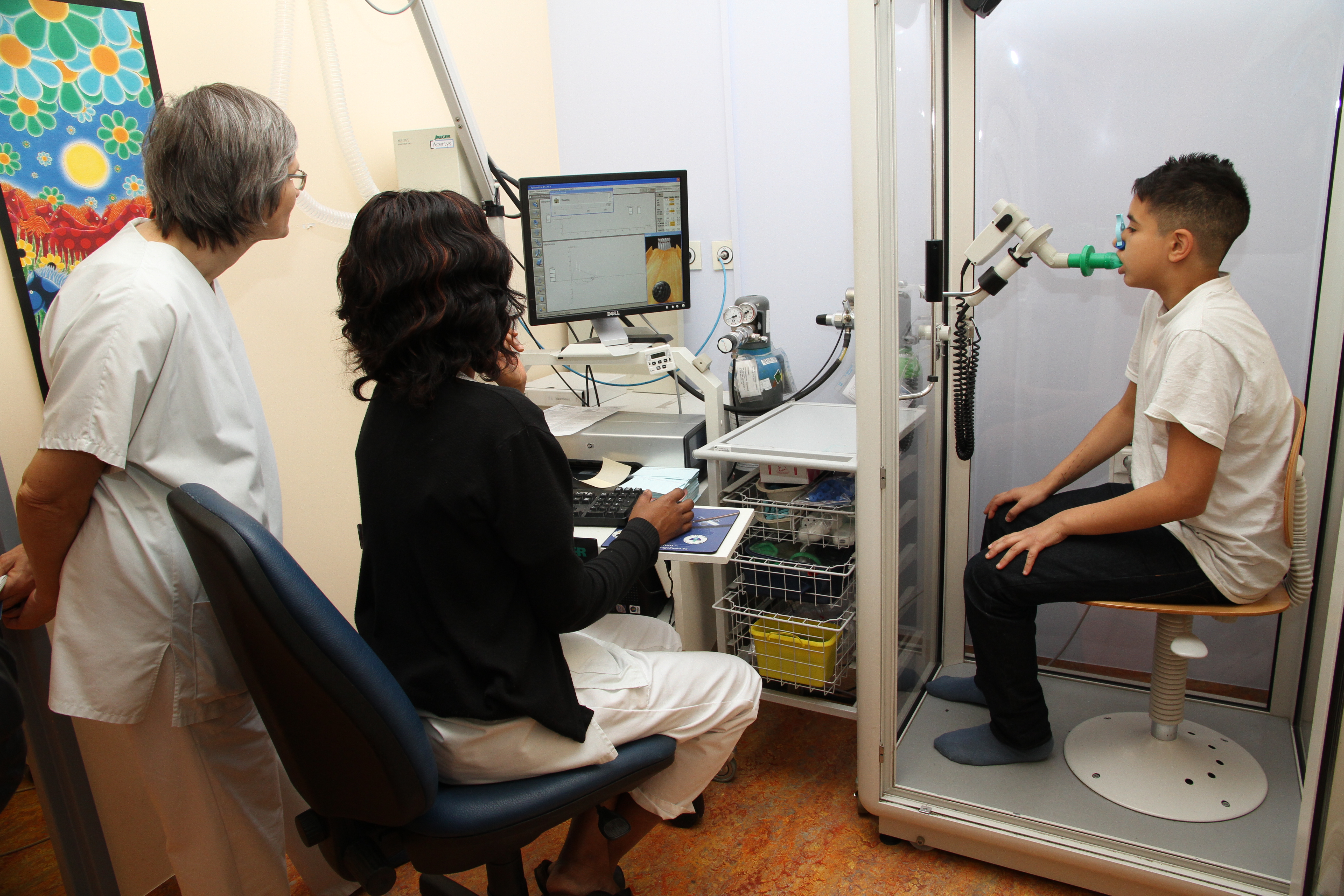
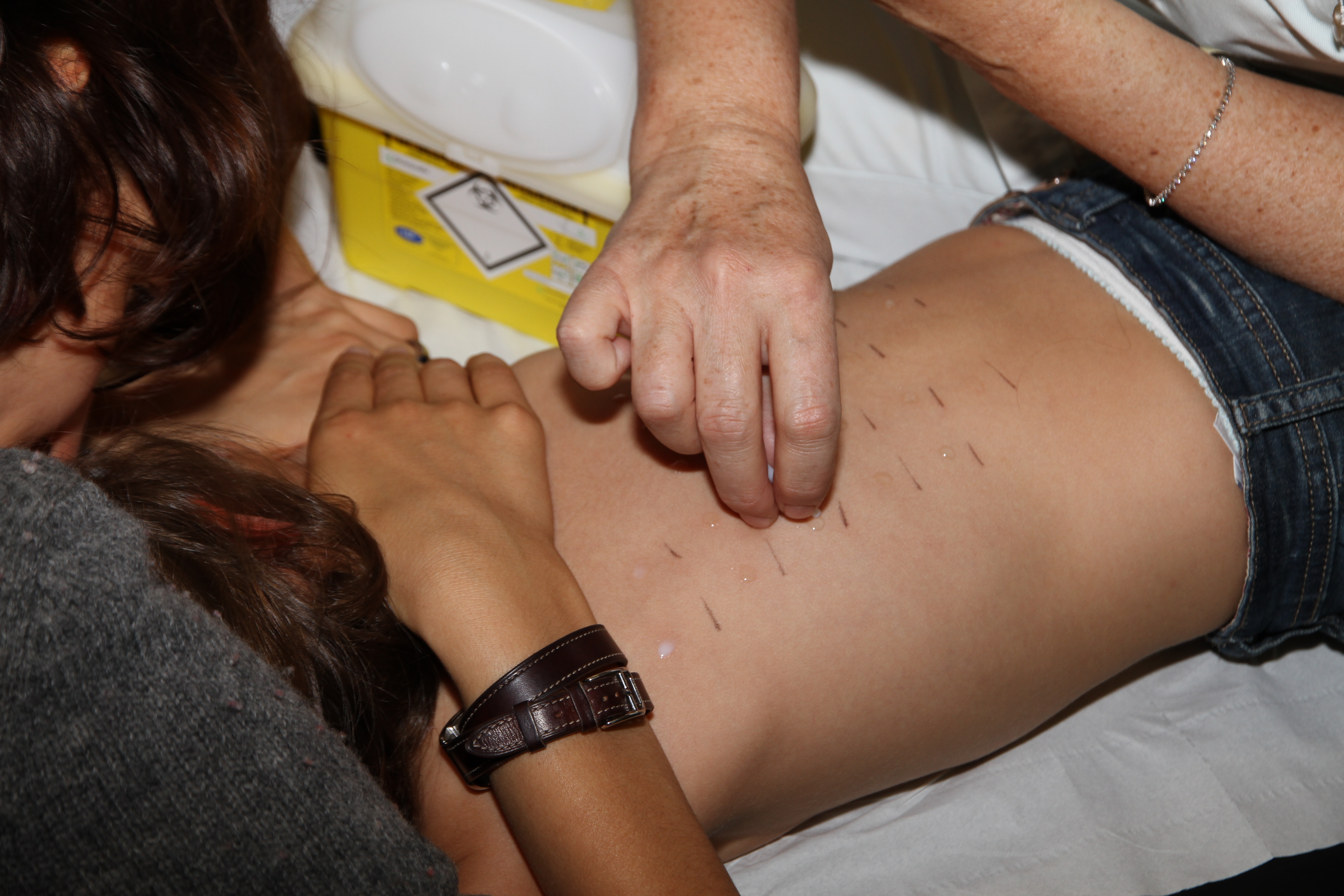
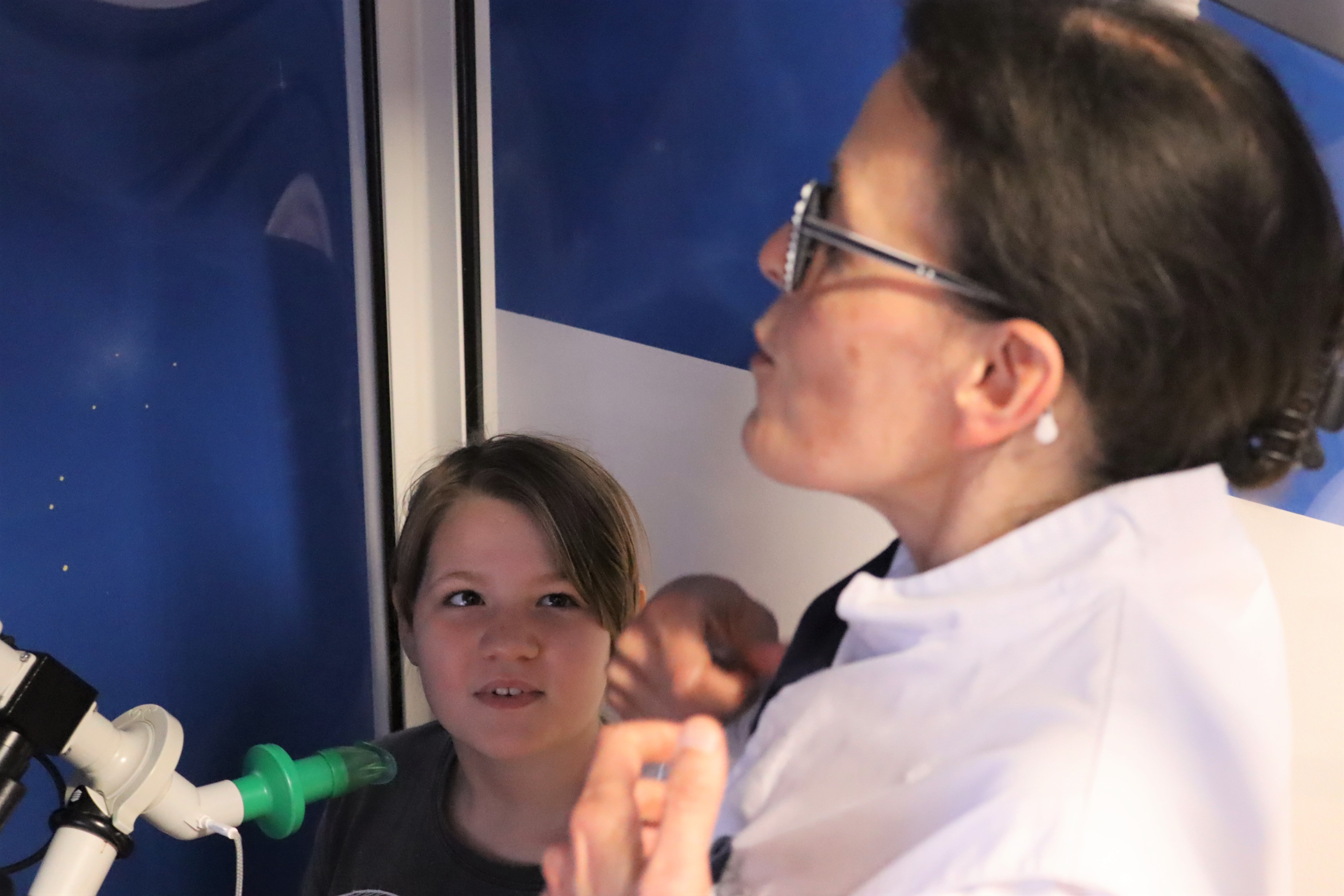
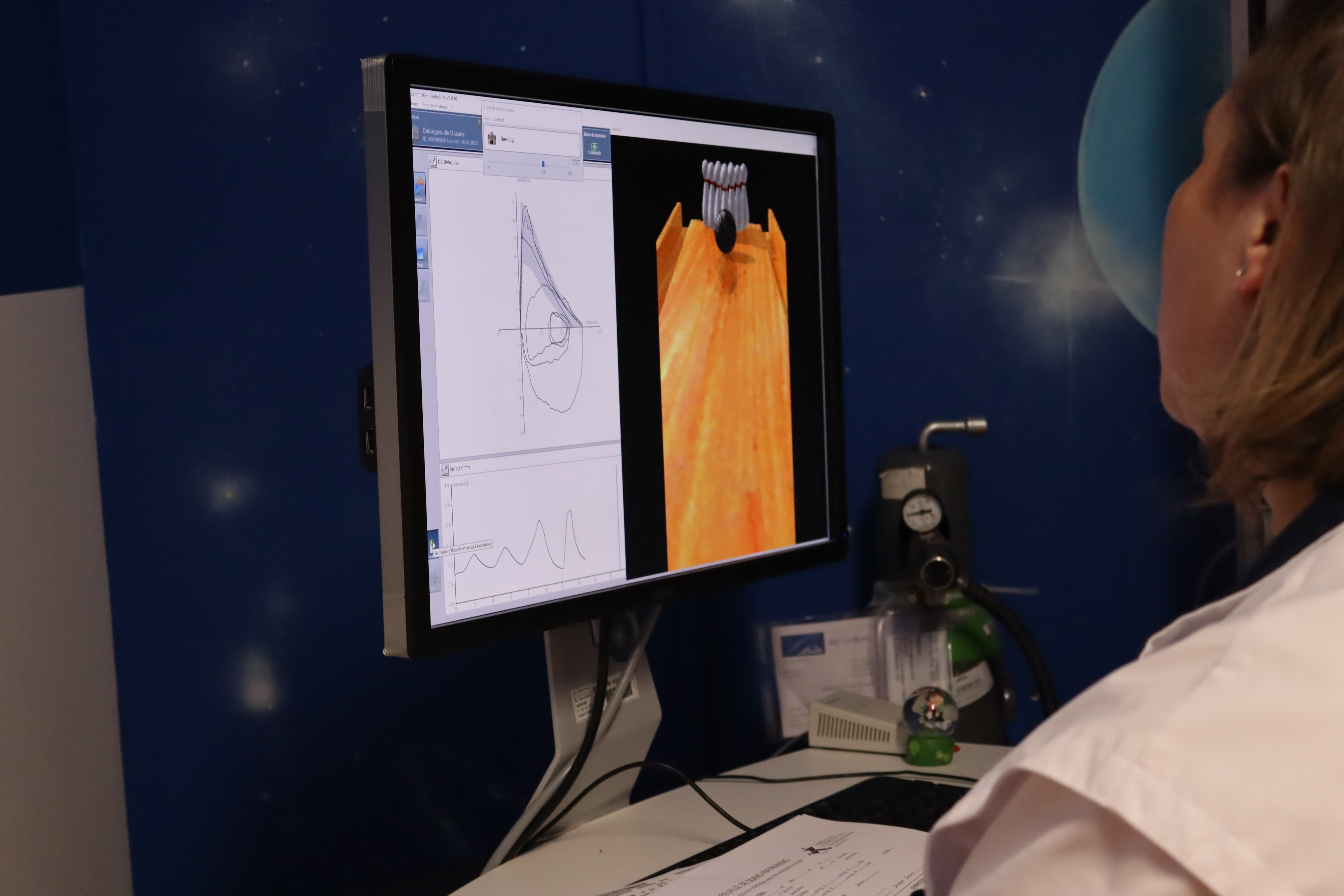
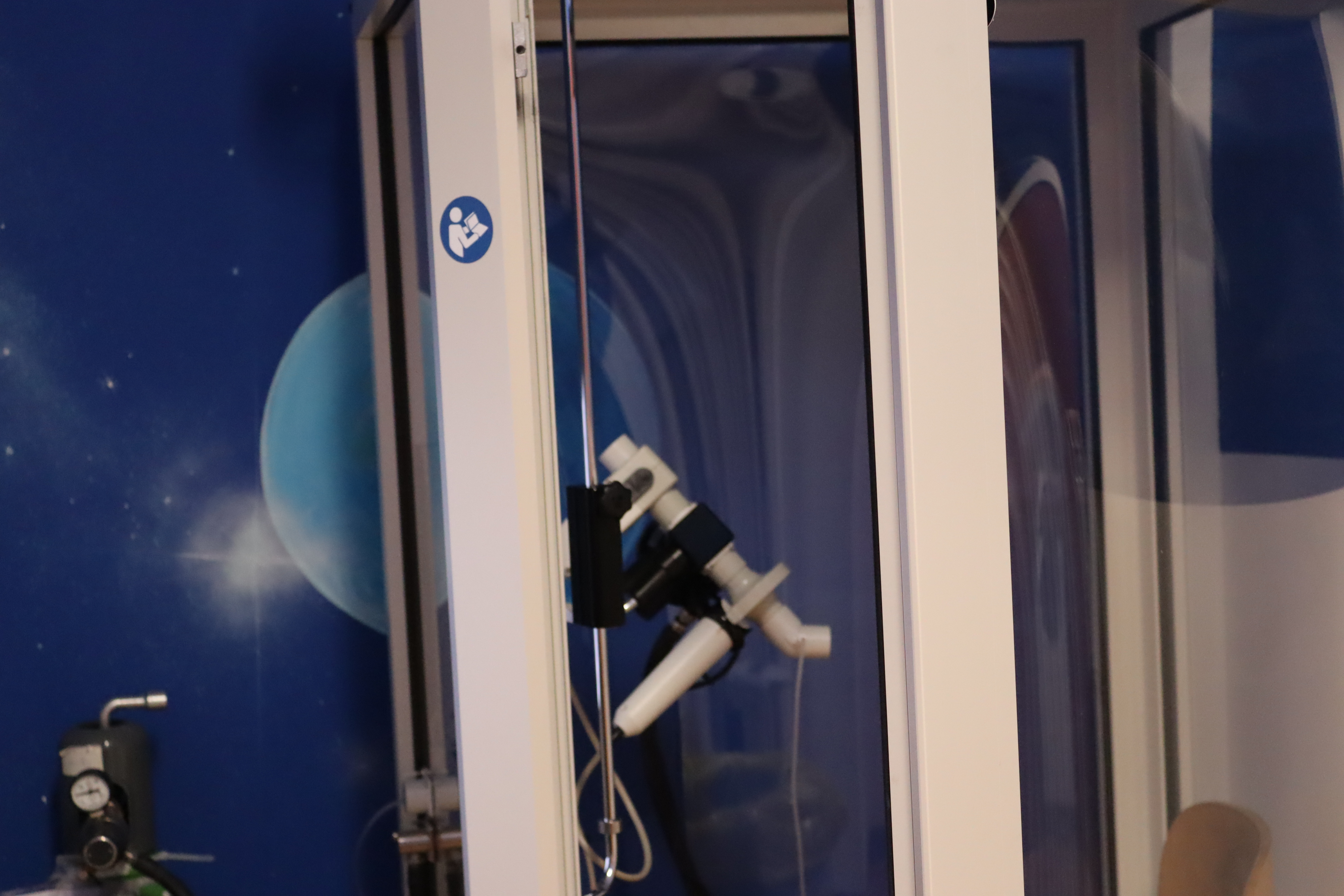
In the 1990s, a major transformation began with the development of pulmonary function testing. Doctors could now measure lung function much more precisely, monitor its progression and objectively assess the effects of treatments. At the same time, flexible bronchoscopy gradually became more widespread, enabling a more detailed and less invasive examination of the airways. In allergology, blood tests for specific IgE (antibodies produced by the immune system in response to certain allergens) made it possible to better identify sensitisation to foods, pollens, dust mites and other allergens.
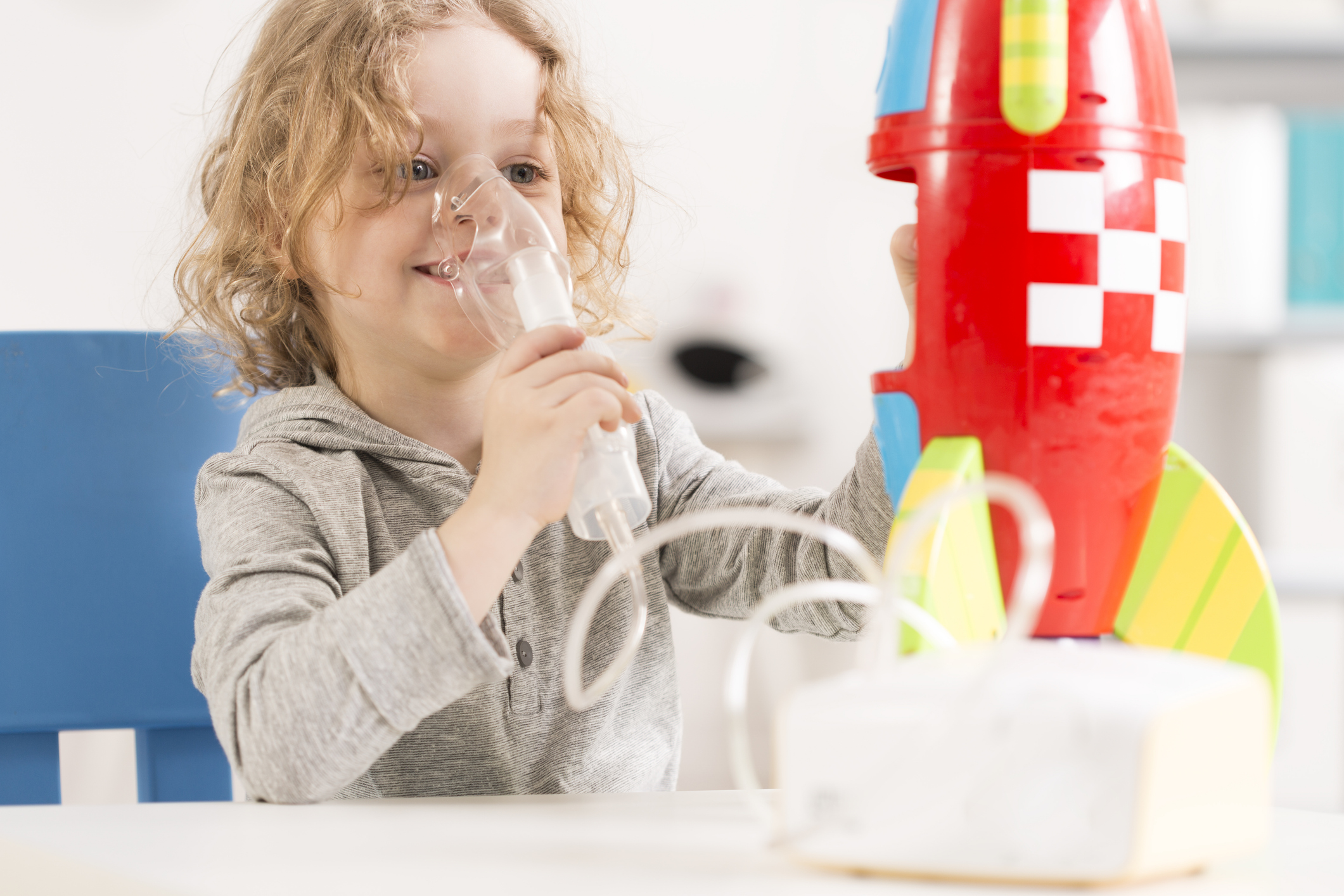
This development gradually changed the specialty’s approach. The aim was no longer merely to recognise a disease and relieve its manifestations, but to understand what was happening in each child’s body. Asthma is a good example. For a long time, it was approached mainly through its attacks, but it gradually came to be recognised as a chronic inflammatory disease of the airways. Maintenance treatments, particularly inhaled corticosteroids, then made it possible to control this inflammation more effectively, reduce exacerbations and enable many children to lead lives much closer to those of their peers.


1989: a gene that would change the history of mucoviscidosis
However, a discovery made at the end of the 1980s would, in itself, symbolise this new way of practising medicine. In 1989, researchers identified the CFTR gene, which codes for a protein that regulates, among other things, the exchange of salt and water across cells, and is responsible for Mucoviscidosis. The disease had long been known, and its respiratory and digestive manifestations could already be managed, but its precise biological mechanism had until then remained unknown.
The discovery of CFTR did not immediately produce a new medicine. However, it made it possible to gradually understand how the corresponding protein works and why its dysfunction causes the disease. For the first time, research therefore had a precise target. It would still take more than twenty years for this knowledge to lead to the first treatments capable of acting directly on the mechanism responsible for Mucoviscidosis.
This story perfectly summarises one of the major transformations in paediatric pneumology: gaining a better understanding of the disease so that, one day, it will be possible to act on its cause rather than merely on its consequences.
A reference centre supporting increasingly complex diseases
Alongside these scientific advances, the department developed around conditions requiring increasingly specialised expertise. Under the leadership of Professor Georges Casimir, followed by Professor Laurence Hanssens, HUDERF notably developed its activities in Mucoviscidosis, severe asthma, complex allergies and various rare respiratory diseases. In 1999, the Mucoviscidosis centre was officially recognised as a reference centre. This expertise also expanded with Professor Christiane Knoop, particularly in supporting adolescents and young adults with Mucoviscidosis.
This development was accompanied by a change in the way children with chronic diseases were cared for. Teams gradually formed around the pulmonologist, bringing together specialist nurses, physiotherapists, dietitians, psychologists, social workers, pharmacists and other specialists. For a child with Mucoviscidosis or severe asthma, the aim is no longer solely to improve respiratory parameters: it is also necessary to preserve growth, nutrition, schooling, physical activity and family life, and progressively prepare the child for independence.
The 2000s: behind one disease, several profiles
From the 2000s onwards, advances in immunology (the study of how the immune system functions) and molecular biology (the study of biological mechanisms at the level of genes and molecules) made it possible to go even further. Researchers discovered, in particular, that a single diagnosis could conceal very different mechanisms. Two children with asthma may have distinct inflammatory profiles and may not respond in the same way to the same treatment. Asthma is therefore no longer considered a uniform disease, but rather a group of different forms that must gradually be characterised.
Allergology followed the same path. After skin tests and specific IgE testing came increasingly detailed analyses, making it possible to better identify the allergenic components responsible for reactions (molecular diagnosis). This development helps refine the diagnosis and avoid certain unnecessary avoidance measures. Anaphylaxis, a severe and potentially fatal allergic reaction, can thus be diagnosed and managed more effectively. At the same time, treatments have progressed: allergen immunotherapy, or desensitisation, has been developed for certain respiratory allergies, while oral tolerance induction has more recently opened up new prospects for certain food allergies.
Understanding of allergies has also broadened to include the environment in which children grow up. From the 2000s onwards, research focused increasingly on the microbiota, pollution, lifestyles and early-life exposures. The “hygiene hypothesis”, according to which reduced exposure to certain microorganisms during early childhood could influence the maturation of the immune system, has notably helped renew reflection on the increase in certain allergic diseases.


The 2010s: finally treating the mechanism underlying cystic fibrosis
More than twenty years after the discovery of CFTR, research reached a decisive milestone. At the beginning of the 2010s, the first CFTR modulators (medicines designed to improve the functioning of the defective protein responsible for cystic fibrosis) emerged, capable of acting directly on this defective protein. The first molecules were still intended for only a small proportion of patients, but they demonstrated for the first time that it was possible to modify the very mechanism of the disease. Subsequent generations of treatments would then make it possible to benefit an increasing number of patients.
For Professor Laurence Hanssens, this development probably represents the most spectacular therapeutic revolution witnessed during her career. In patients who can benefit from these treatments, respiratory function improves, hospitalisations decrease, nutritional status improves and quality of life is transformed. Patients’ X-rays become normal and, above all, their prospects for the future are no longer the same.
“Where cystic fibrosis was once a paediatric disease associated with a very limited life expectancy, teams now support young people who pursue studies, work, build relationships and can consider becoming parents.” Professor Laurence Hanssens
The disease has not disappeared, however. Specialist follow-up, respiratory physiotherapy, nutritional care and multidisciplinary monitoring remain essential, and not all patients benefit from the new therapies in the same way. But the natural history of cystic fibrosis has changed profoundly. One sign is particularly telling: the transition to adult teams, once exceptional for certain severe respiratory diseases, has now become a fully established stage in the care pathway.
From asthma to allergies: towards personalised medicine
The same approach is gradually being extended to other diseases. In severe asthma, biological therapies can now target specific inflammatory mechanisms in children selected according to their profile.
The question is therefore no longer simply “which treatment should be given for asthma?”, but “which mechanism is causing this child’s asthma and which treatment can act on it?” Professor Laurence Hanssens
In allergology too, medicine is becoming more individualised. Teams seek to determine what the child is genuinely allergic to, the associated risk and the best strategy for that child. In some cases, the aim is no longer solely to learn how to avoid the allergen, but to try to gradually modify the immune system’s response. This development is particularly important in food allergies, which can weigh heavily on the daily lives of children and their families.
New challenges for a new generation
Over the past forty years, some concerns have also changed in nature. Therapeutic advances now enable the vast majority of children with well-controlled asthma to take part in normal physical activity, whereas in the past some were still excused from sports for fear of asthma attacks. At the same time, new risks are emerging: air pollution, indoor air quality, environmental changes and electronic cigarettes are now among the issues faced by paediatric pulmonologists.
In particular, vaping among adolescents is a new prevention challenge. Beyond its respiratory effects, early exposure to nicotine is a particular concern because it occurs while the brain is still developing. Paediatric pulmonology must therefore continue to treat diseases, but also anticipate the behaviours and environments that will shape the respiratory health of future generations.
Forty years on, continuing to understand more and more
From 1986 to 2026, paediatric pulmonology and allergology has thus evolved from a field with relatively few specific tools into a discipline capable of precisely measuring respiratory function, investigating the immunological and genetic mechanisms of disease and, in some cases, offering treatments that directly target their cause.
The course of cystic fibrosis is probably the strongest illustration of this: understanding a disease, identifying its gene in 1989, deciphering the role of the CFTR protein and then, in the 2010s, succeeding in acting directly on it. Asthma and allergies tell the same story in their own way: behind a diagnosis there is now a child with their own biological profile, environment and history.
“Today, this research continues with an increasingly ambitious objective: to intervene earlier, before lesions become irreversible or appear, and to determine the most effective treatment for each child.” Professor Laurence Hanssens
Forty years after HUDERF opened, the common thread ultimately remains the same: to understand ever more precisely why a child is ill, so that they can not only breathe better, but above all grow up, play sports, study, become independent and build their life with as few limitations as possible.