
The Belgian Kids’ Fund: more than 30 years of supporting paediatric research
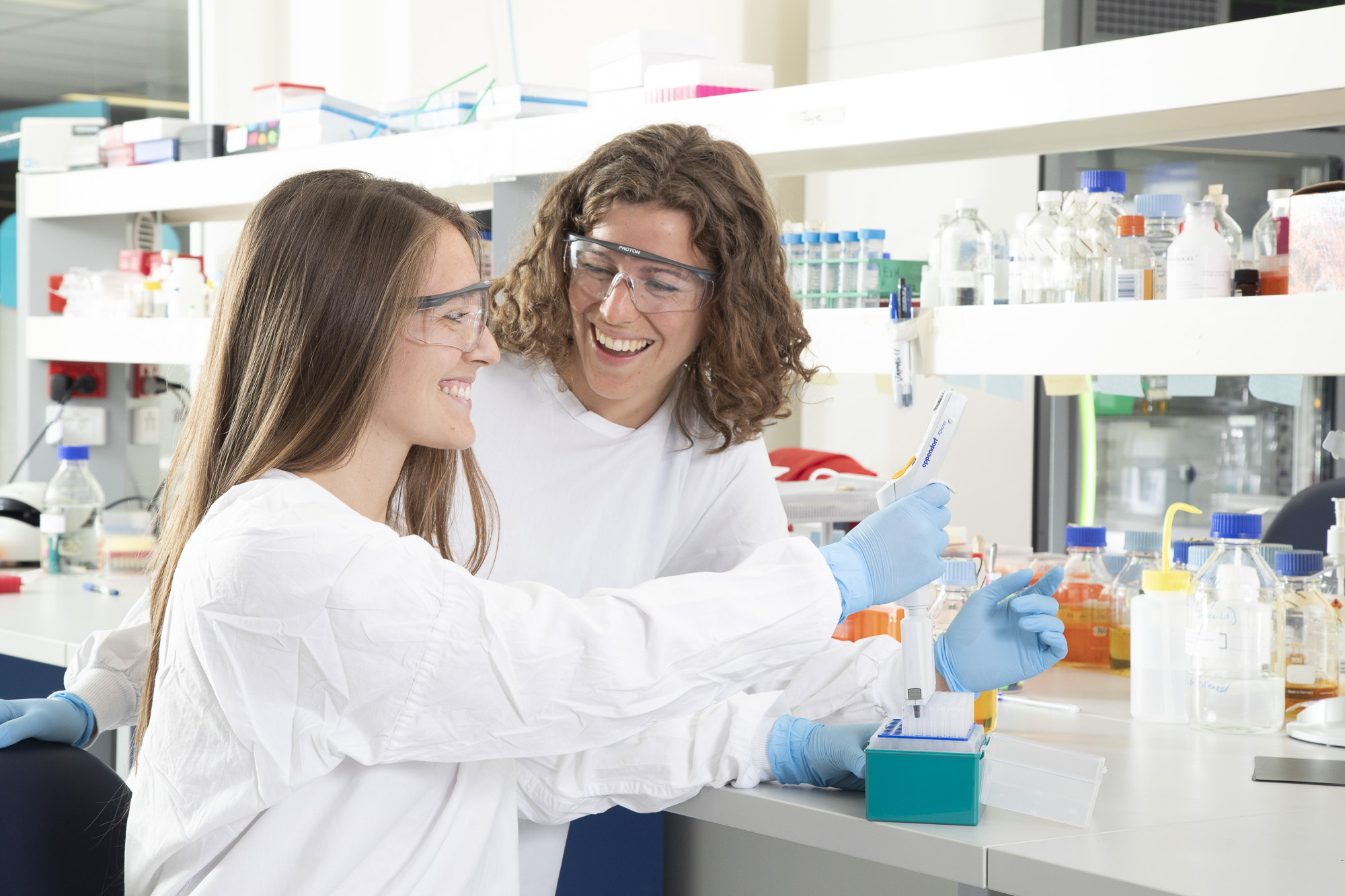
Since 1995, The Belgian Kids’ Fund for Pediatric Research has supported research dedicated to children’s health. By enabling young doctors and researchers to devote time to their scientific work, the BKF has been supporting the development of paediatric research at HUDERF for more than thirty years.

RESEARCH TO PROVIDE BETTER CARE
When a child walks through the doors of the Queen Fabiola Children’s University Hospital (HUDERF) today, they benefit from treatments, diagnostic tools and knowledge that have evolved profoundly over the decades. Behind these advances are the medical and scientific teams, laboratories, university and hospital collaborations, as well as various partners who help support research. Among them, The Belgian Kids’ Fund for Pediatric Research (BKF) has been supporting projects dedicated to children’s health for more than thirty years.
Established in 1995, less than ten years after HUDERF opened, the Scientific Fund was founded on a conviction: in a university hospital, care, research and education are closely interconnected. Supporting research means gaining a better understanding of childhood diseases, advancing practices and preparing the medicine of tomorrow.
An initiative established alongside the development of the Children’s Hospital
In the mid-1990s, HUDERF was still a young institution. Opened in 1986, it brought together numerous medical and surgical disciplines dedicated to children within the same environment. This proximity between specialists naturally fostered the development of scientific projects and the desire to strengthen the role of research within the hospital.
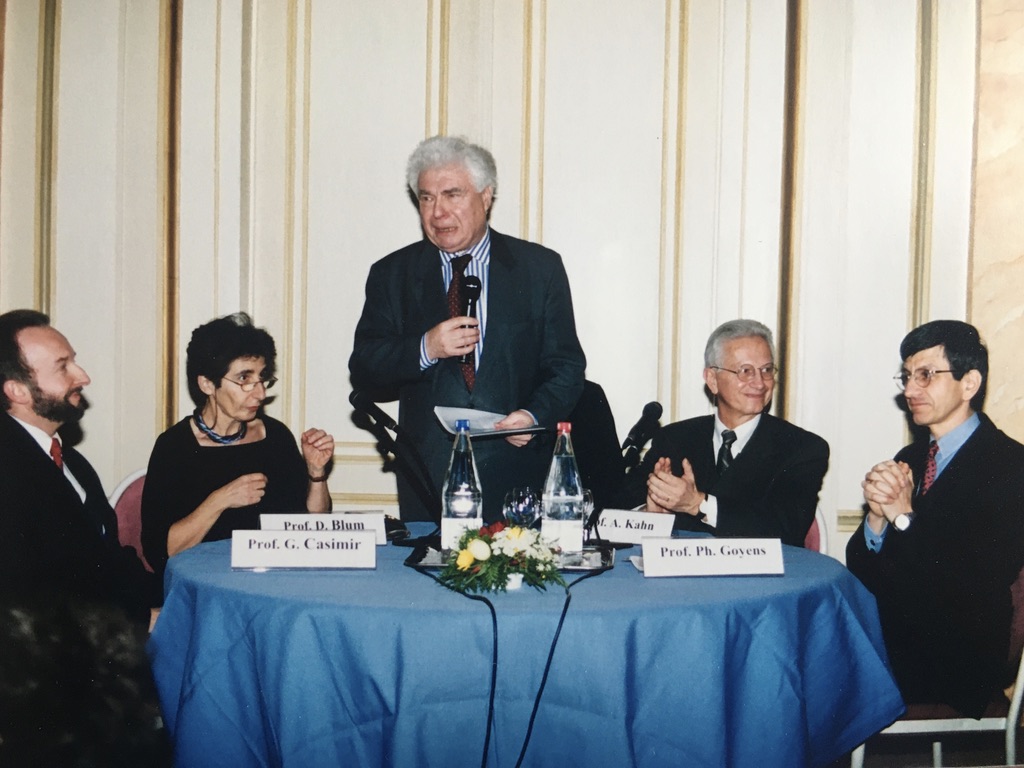
At the initiative of several leading figures in paediatrics at HUDERF, including Professors Henri Vis and André Kahn, doctors decided to establish an organisation specifically dedicated to supporting paediatric research. One of its objectives was to enable young doctors and researchers to set aside time to conduct scientific work alongside an often very demanding clinical workload.
At that time, some researchers could already benefit from funding provided by the FNRS or university foundations, in particular. The creation of the Scientific Fund provided an additional tool for supporting research careers and projects dedicated to children’s health.


Giving research time
Since its creation, one of the Belgian Kids’ Fund’s main missions has been to award grants enabling young doctors and researchers to develop their scientific work. Some are thus able to devote a significant period to a full-time research project and doctoral thesis, while others combine clinical work and research, also as part of a doctoral thesis at the ULB.
This approach reflects a reality of the hospital environment: developing a scientific project takes time. Formulating a research question, collecting and analysing data, working with a laboratory, publishing results or completing a thesis represent a considerable investment that is difficult to reconcile with full-time clinical work. Financial support therefore helps create the conditions needed to carry out some of these projects.
Projects in many areas of paediatrics
Paediatric research now covers a particularly broad field. Neurology, genetics, endocrinology, gastroenterology, infectiology, vaccination, pneumology, rare diseases, neonatology, child psychiatry, metabolic diseases, rehabilitation and psychology: many disciplines can give rise to scientific questions directly stemming from clinical practice.
The projects supported by The Belgian Kids’ Fund reflect this diversity. Applications undergo scientific evaluation to identify projects likely to contribute to a better understanding of children’s health and diseases. The Fund thus works alongside other university, hospital and scientific organisations involved in developing paediatric research.
Research specifically devoted to children
Paediatric research has important specific features. A premature newborn, infant, child or adolescent cannot be considered a smaller version of an adult. Their bodies are constantly developing, and diseases, like treatments, may have different characteristics depending on age.
This specificity makes research devoted to children essential. It also involves particular constraints: patient populations are often smaller, certain conditions are rare, and studies may be more complex to organise. In this context, the different sources of research funding—public, university-based, hospital-based or provided by funds and foundations—are complementary.
Research that helps advance knowledge
Over the years, projects supported by the BKF have helped advance knowledge in many areas of paediatrics. Some research has improved the early diagnosis of rare diseases. Other studies have contributed to a better understanding of the mechanisms underlying epilepsy, neurodevelopmental disorders and several genetic diseases.
This work forms part of a broader scientific dynamic led by the medical and research teams at HUDERF and their collaborators. Their shared objective is to gain a better understanding of childhood diseases and, progressively, to improve their diagnosis, prevention and management.
Supporting research careers
Beyond the projects themselves, supporting research also enables young doctors and scientists to learn about the scientific process. Conducting research or completing a doctorate, working with different disciplines and comparing one’s results with those of other teams all help develop a scientific culture that subsequently supports an entire career.
This aspect is particularly important in a university hospital, where care, teaching and research are closely linked. Knowledge generated by research gradually informs clinical practice, while questions encountered among patients can, in turn, give rise to new scientific projects.
A collective endeavour
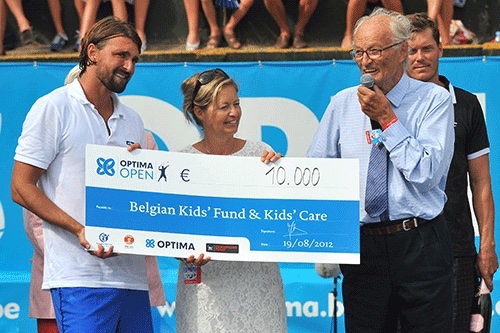
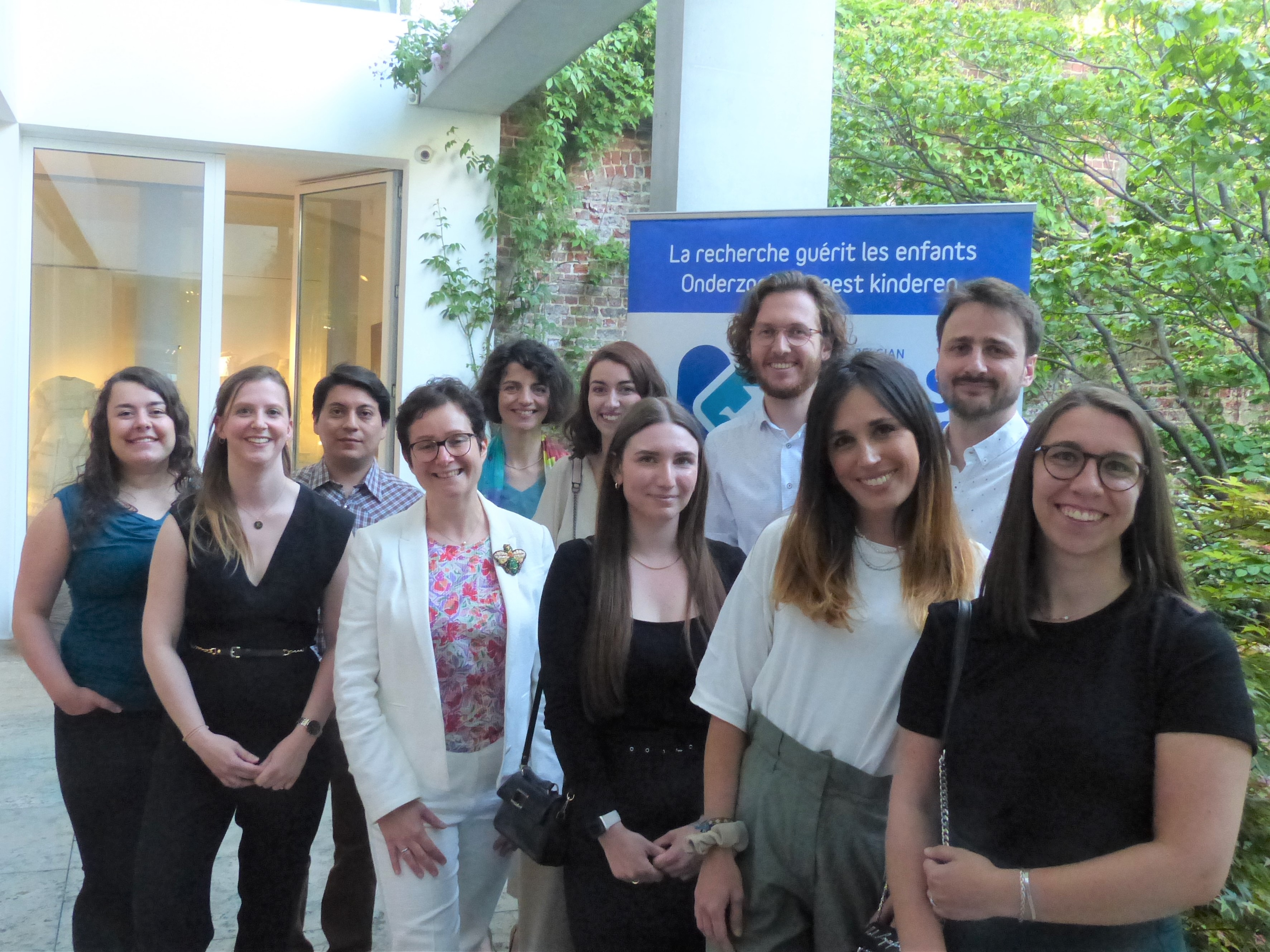
Since its creation, The Belgian Kids’ Fund has relied on the commitment of many people: researchers and doctors, members of its scientific and administrative bodies, volunteers, donors, benefactors, partner companies and families wishing to support paediatric research.
This commitment forms part of HUDERF’s research dynamic and, more broadly, that of H.U.B, driven by hospital and university teams, laboratories, interdisciplinary collaborations and numerous partnerships. For more than thirty years, the BKF has contributed to this dynamic by supporting research devoted to children’s health.
Continuing to support paediatric research
As HUDERF celebrates its fortieth anniversary, research continues to play an important role in its university mission. Advances in genetics, imaging, precision medicine and new therapeutic approaches are opening up new perspectives, while also raising new questions.
Since 1995, The Belgian Kids’ Fund has contributed to this dynamic by supporting researchers and projects devoted to children’s health. More than thirty years after its creation, its mission therefore remains closely linked to that of the university hospital: helping provide the time and resources needed by those seeking to understand better, so that tomorrow they can provide better care.
To support The Belgian Kids’ Fund: The Belgian Kids' Fund supports paediatric research