We're hiring ! Join us and make a difference in our hospitals


Variations in sex development (VSD) or Variations in genital development (VGD)
Variations in sex development (VSD) or Variations in genital development (VGD)
Description
The Paediatric Endocrinology Clinic provides diagnosis and follow-up for patients aged 0 to 18 years with an endocrine problem, that is, a condition involving hormones (growth, puberty, pituitary gland, thyroid, adrenal glands, sexual development and bone metabolism). Some rare endocrine diseases require follow-up by several specialists. The doctor–nurse team aims to empower patients to become experts in their condition by providing them with information and listening to them as attentively as possible. Communication between the various specialists takes place during multidisciplinary meetings at HUDERF, in collaboration with Belgian teams (Belgian Study Group for Pediatric Endocrinology). At European level, the centre is integrated into and actively participates in the ENDO-ERN network established by the European Commission. The idea is as follows: the European Union is a vast reservoir of knowledge and expertise, and it is the ideas that travel, for the benefit of patients with rare diseases.

What is a VDG or DSD?
Variations in sex development (VSD), also known as Variations in genital development (VDG) or, in English, Differences/Disorders of Sex Development (DSD), encompass a range of congenital conditions in which chromosomal, gonadal or anatomical sex development differs from typically male or female developmental pathways.
These conditions may be identified at birth, during childhood, at puberty or in adulthood, and display considerable clinical, biological and psychosocial heterogeneity. VSDs include, in particular, abnormalities of gonadal development and hormone secretion, and may sometimes manifest as anatomical variations of the internal and/or external genitalia.
Care management
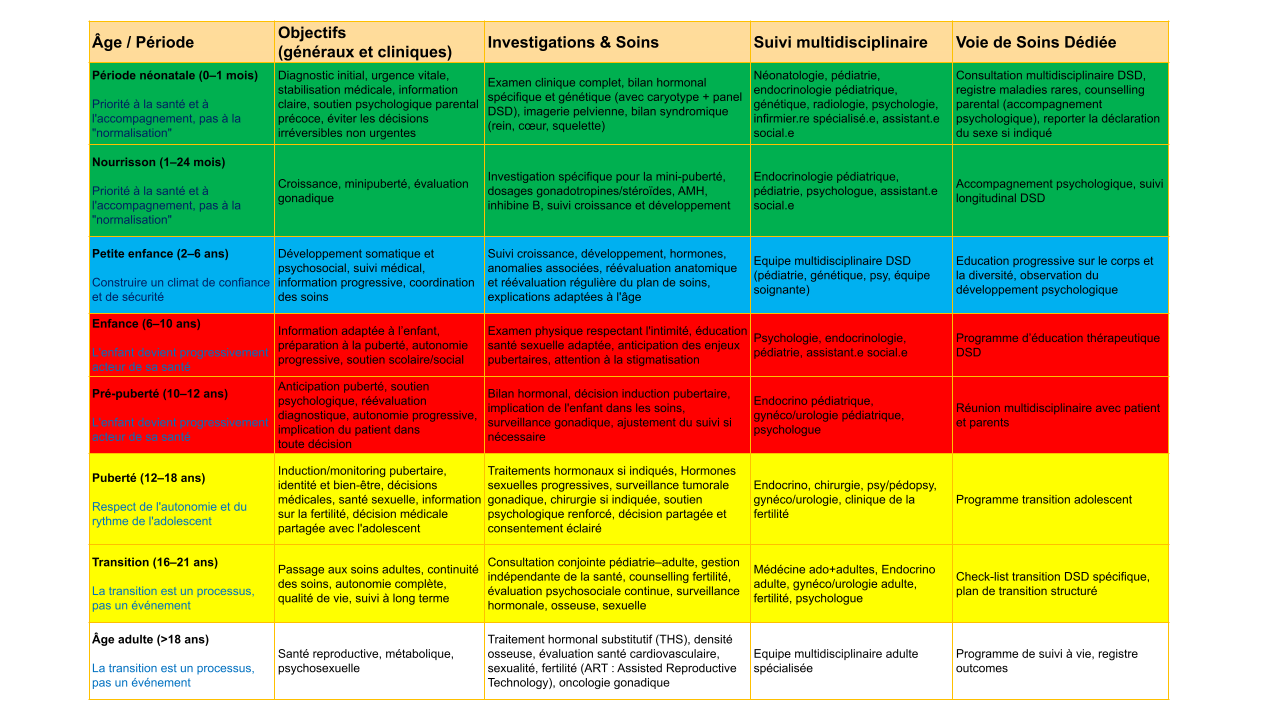
The care of patients with VDS is based on an individualised, person-centred approach that respects their overall development. It includes:
- A specialised diagnostic assessment (clinical, hormonal, genetic and radiological)
- Longitudinal medical and psychosocial support
- Clear information adapted to the age of the patient and their family
- Shared decision-making, particularly regarding treatment options
Depending on the situation, treatments may include:
- Endocrinological follow-up (hormonal treatments when indicated)
- Ongoing psychological and psychosocial support
- Specialised surgical follow-up when medically justified
Multidisciplinary team
The care of patients with VDS requires close collaboration between various healthcare professionals, including:
- Paediatric endocrinology (Dr Alfredo Vicinanza, Prof Cécile Brachet and the entire paediatric endocrinology team at HUDERF, see associated physicians below)
- Genetics, including clinical genetics (Prof Catheline Vilain, Dr Ozlem Okutman)
- Paediatric surgery / paediatric urology (Dr Karim Khelif)
- Paediatric gynaecology (Dr Mélodie Vander Borght)
- Adult gynaecology (Prof Anne Delbaere)
- Fertility clinic
- Andrology (Dr David Pening)
- Psychology / child and adolescent psychiatry (Ms Isabelle Lambotte / Dr Marie Poncelet)
- Specialist nurse (Ms ABI KHALIL, Joya)
- Social worker (Ms Isabelle Flamme)
- Adolescent and young adult medicine (see Transition)
Specific care pathway
The care pathway is structured around several key stages:
- Referral to the specialised clinic (neonatal period, childhood, adolescence)
- Initial multidisciplinary assessment
- Development of a personalised care plan
- Regular follow-up and reassessment at key stages of development
- Coordination with primary care and external specialised services
Transition to adulthood
Particular attention is paid to the transition from paediatric to adult care. This transition is anticipated and prepared progressively, with the patient actively involved. It includes:
- Gradual empowerment of the patient
- Structured transfer of the medical record
- Coordination with specialised adult endocrinology and gynaecology/urology teams

Focus
The centre is involved in clinical and translational research in the field of DSD, particularly concerning:
- The genetic and hormonal bases of DSD
- Long-term health trajectories
- Quality of life and psychosocial aspects
- Person-centred care practices
The centre participates in the international iDSD network, with research projects at international level.

Useful documents and links
Professional resources
- Endo-ERN European Reference Network: https://endo-ern.eu
- ESPE (European Society for Paediatric Endocrinology): https://www.eurospe.org
- International consensus on DSD (Chicago Consensus and updates) DSD Guidelines – Consensus Statement on Management of Intersex Disorders https://dsdguidelines.org
- I-DSD Registry & DSDCare registry (European / national projects), registries for data collection, longitudinal follow-up and collaborative research https://www.i-dsd.org, https://www.dsdcare.de
- Explanatory videos : https://www.starship.org.nz/guidelines/differences-of-sex-development-atawhai-taihemahema/
Patient associations (French-speaking and European)
- DSD France: https://www.dsdfrance.fr
- Collectif Intersexes et Allié·e·s – OII France: https://www.oiifrance.org
- AIS Support Group Europe: https://www.aissg.org
- Intersex Europe: https://www.intersexeurope.org
Associated specialists
The centre collaborates with specialised physicians and teams at national and international level, particularly in the fields of Endocrinology (Pediatric), clinical genetics and specialised surgery.