

Neonatology: 40 Years of Medical and Human Progress in the Care of Newborns
From the surfactant revolution to developmental care, from the Koala Unit to parents becoming care partners, four decades have profoundly transformed the care provided to newborns at the Children’s Hospital.

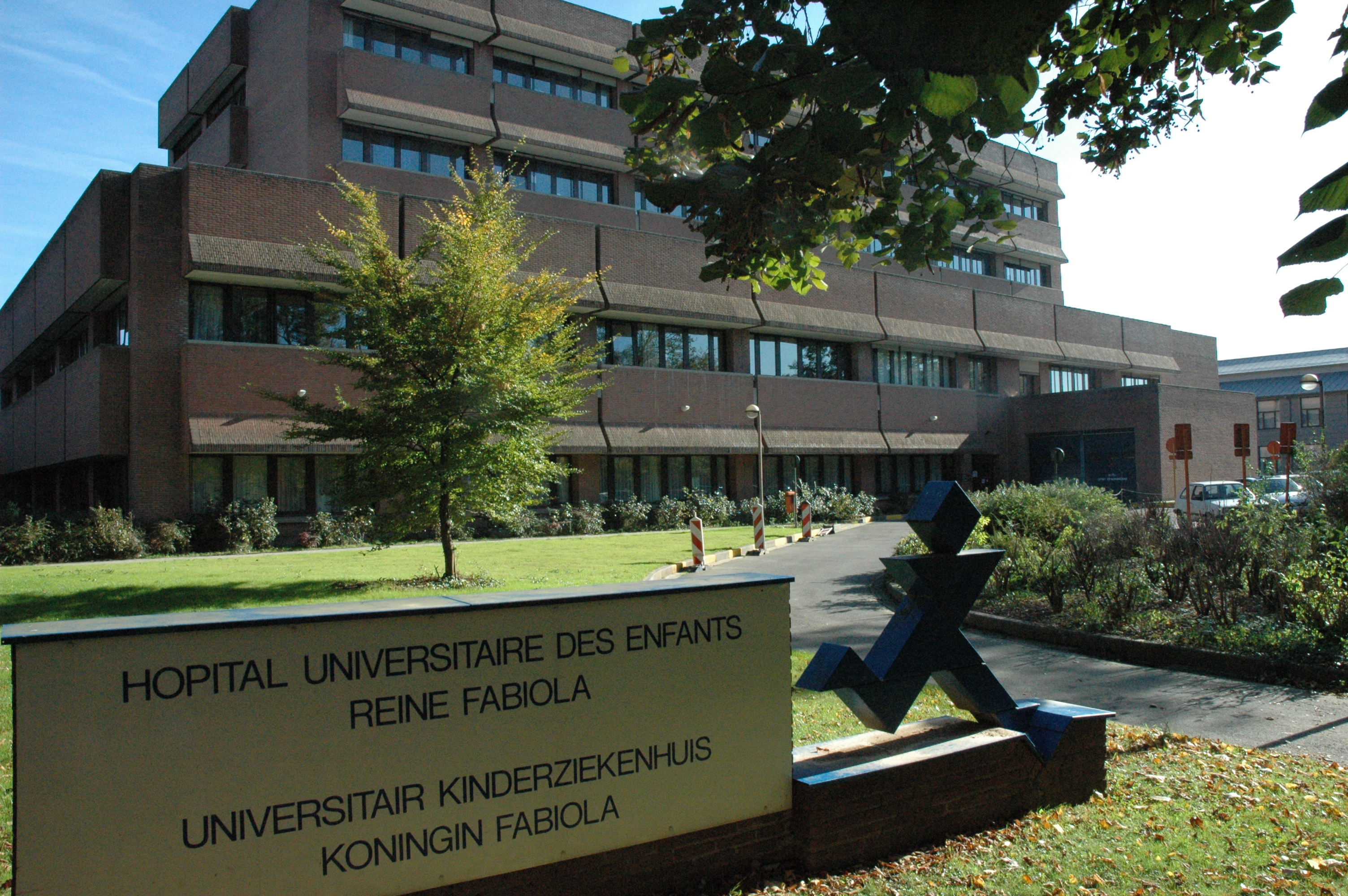
When a child is born several weeks too early or presents with a serious condition from the very first moments of life, every minute counts. Since the opening of the Queen Fabiola Children’s University Hospital (HUDERF) in 1986, neonatology has undergone a spectacular transformation. Babies who once had very little chance of surviving can now receive care, while advances in surgery, imaging, genetics, nutrition and ventilation make it possible to support increasingly complex situations.
But another revolution took place in parallel—one that was more discreet yet equally profound. The aim is no longer merely to ensure the survival of an extremely fragile newborn, but also to protect the developing brain, prevent sequelae, preserve the bond with the parents and prepare for the child’s future. Professor Aline Vuckovic, who now heads the Neonatology Department at H.U.B, witnessed part of this evolution at HUDERF. She sums up this dual medical and human revolution in a few words: “Our profession is highly technological, but human at heart.”
A discipline that has learned to push back the boundaries
Modern neonatology is a relatively young discipline. Until the middle of the 20th century, the options for caring for premature newborns remained limited. The first advances notably involved maintaining their body temperature using incubators, before the first specialised neonatal intensive care units were established in the 1950s and 1960s.
A famous episode illustrates the limits of medicine at the time. In August 1963, Patrick Bouvier Kennedy, the son of US President John F. Kennedy, was born prematurely and died two days later from respiratory distress syndrome. The widely publicised tragedy helped draw attention to respiratory diseases in premature infants and accelerate investment in neonatal research. It would take several more decades for knowledge about pulmonary immaturity to lead to treatments that would genuinely transform the prognosis for these children.
In Brussels, the history that would lead to neonatology at HUDERF is rooted in the university paediatric tradition of Saint-Pierre Hospital. When the Children’s Hospital opened in 1986, paediatric teams and expertise joined the new institution. Professor Liliane Blum belonged to this first generation of neonatologists at HUDERF. Above all, the opening of the new hospital marked a change in scale: the most fragile newborns could now be cared for within a fully paediatric university hospital, where numerous medical and surgical specialists were brought together around the child.


Surfactant changes everything
The years surrounding the opening of HUDERF were a period of considerable progress. Assisted ventilation improved, cardiorespiratory monitoring became more precise, and parenteral nutrition made it possible to provide newborns who were not yet able to feed with the nutrients essential for their growth.
One of the most decisive advances came at the end of the 1980s and the beginning of the 1990s with surfactant. In extremely premature infants, the still immature lungs do not produce enough of it. Its administration helps combat respiratory distress and contributes significantly to improving these children’s survival. At the same time, corticosteroids administered to the mother when premature birth is anticipated promote fetal lung maturation. Later, the development of non-invasive ventilation techniques also helped reduce the need for intubation and the lung injuries associated with mechanical ventilation.
These successive advances gradually pushed back the limits of care. Increasingly premature children could be supported. Today, care can be offered from 24 weeks of pregnancy in certain situations, while care at even earlier gestational ages is the subject of medical, ethical and societal reflection. Pushing back the limits of viability necessarily raises questions about the child’s future, development and quality of life.
Neonatology gradually began to adopt a different perspective. After focusing for a long time primarily on improving newborn survival, it increasingly turned its attention to the conditions in which these children would grow up.
When brain development becomes central to care
From the 1990s onwards, and especially during the 2000s, knowledge of newborn brain development advanced considerably. Teams gained a better understanding of how sensitive the premature infant’s brain is to its environment. The sound of alarms, light, repeated handling, pain, stress and interruptions to sleep can all represent significant stimuli for an organism that is still extremely immature.
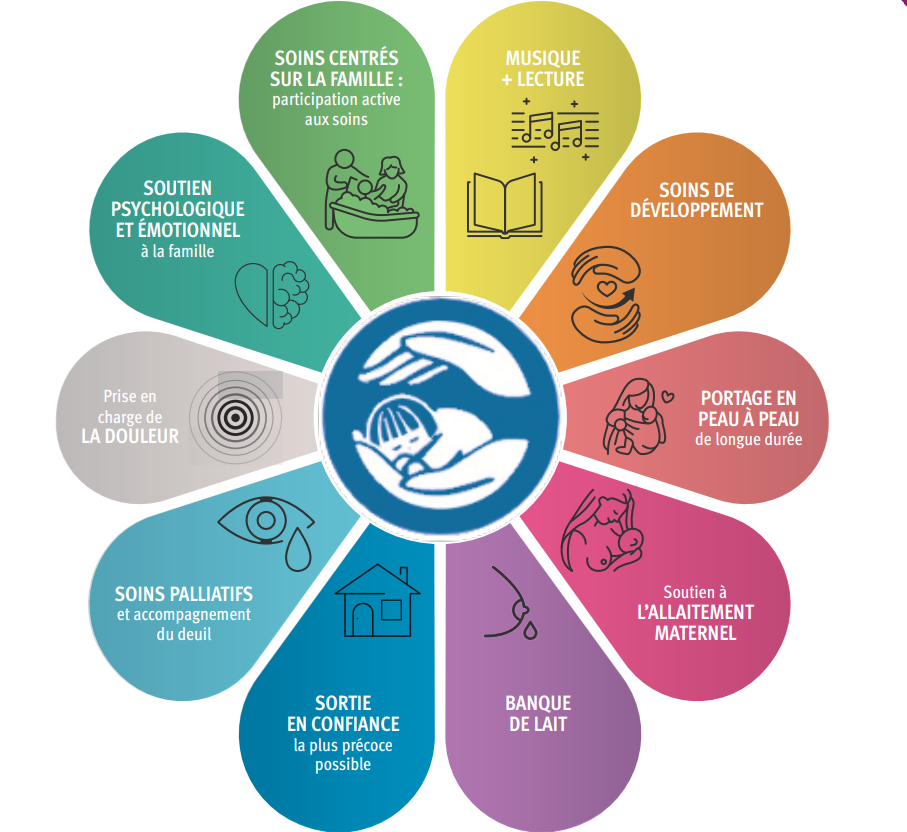
This growing awareness led to the emergence of developmental care. Care was gradually adapted to each baby’s sleep–wake rhythms; procedures were grouped together whenever possible; light and noise were reduced; and increasing attention was paid to comfort, positioning and pain. The baby was no longer viewed solely through their medical parameters: their reactions and behaviour also became information guiding care.
At HUDERF, nursing teams actively contributed to this transformation. Julie Mortiaux, now Deputy Head Nurse of the Neonatology Department, notably took part with colleagues in the “Être Ensemble” reflection group . This initiative reflected a profound change in the philosophy of care: reconciling the highly specialised technical expertise essential to intensive care with the newborn’s sensory, emotional and relational needs.
Enabling parents to become parents
This change also profoundly affected the role of families. Just a few decades ago, neonatology units were mainly organised around large communal rooms, with few private rooms. Opportunities to stay with the child were limited, and parents were still largely regarded as visitors. Visiting hours were restricted, siblings were generally not admitted, and families could sometimes observe their baby from behind a glass corridor. Priority was given to medical monitoring and technical care.
Gradually, teams developed a greater understanding of what families were experiencing. An extremely premature birth, the diagnosis of a malformation or the immediate hospitalisation of a baby can be a major upheaval. Parents may suddenly find themselves faced with a child very different from the one they had imagined during pregnancy, surrounded by tubes, cables and machines, whom they do not always dare to touch or hold in their arms.
Neonatology therefore learned that supporting the newborn also means helping parents find their place in an especially difficult context. Their presence, voice, skin-to-skin contact, holding and breastfeeding are no longer regarded as peripheral to care. They contribute to the child’s development and to the formation of the family bond. Psychological support for parents has also gradually assumed a more important role.


The Koala unit: a new way of thinking about care
This transformation has found a particularly tangible expression at HUDERF in the Koala unit. Dr Ann-Britt Johansson, who headed the Neonatology Department until 2023, notably highlighted how the stress and psychological trauma associated with discovering a congenital malformation or serious condition could hinder the establishment of an early bond between the newborn and their parents.
The idea behind Koala is to bring together two worlds that had previously seemed difficult to reconcile: the highly technical environment of intensive neonatology and the intimacy needed to build family bonds. The unit has five mother-and-child rooms, each with its own shower room, as well as a living area for parents. These rooms can accommodate newborns requiring prolonged care, particularly in cases of prematurity, metabolic or neurological disease, or following certain cardiac or digestive procedures.
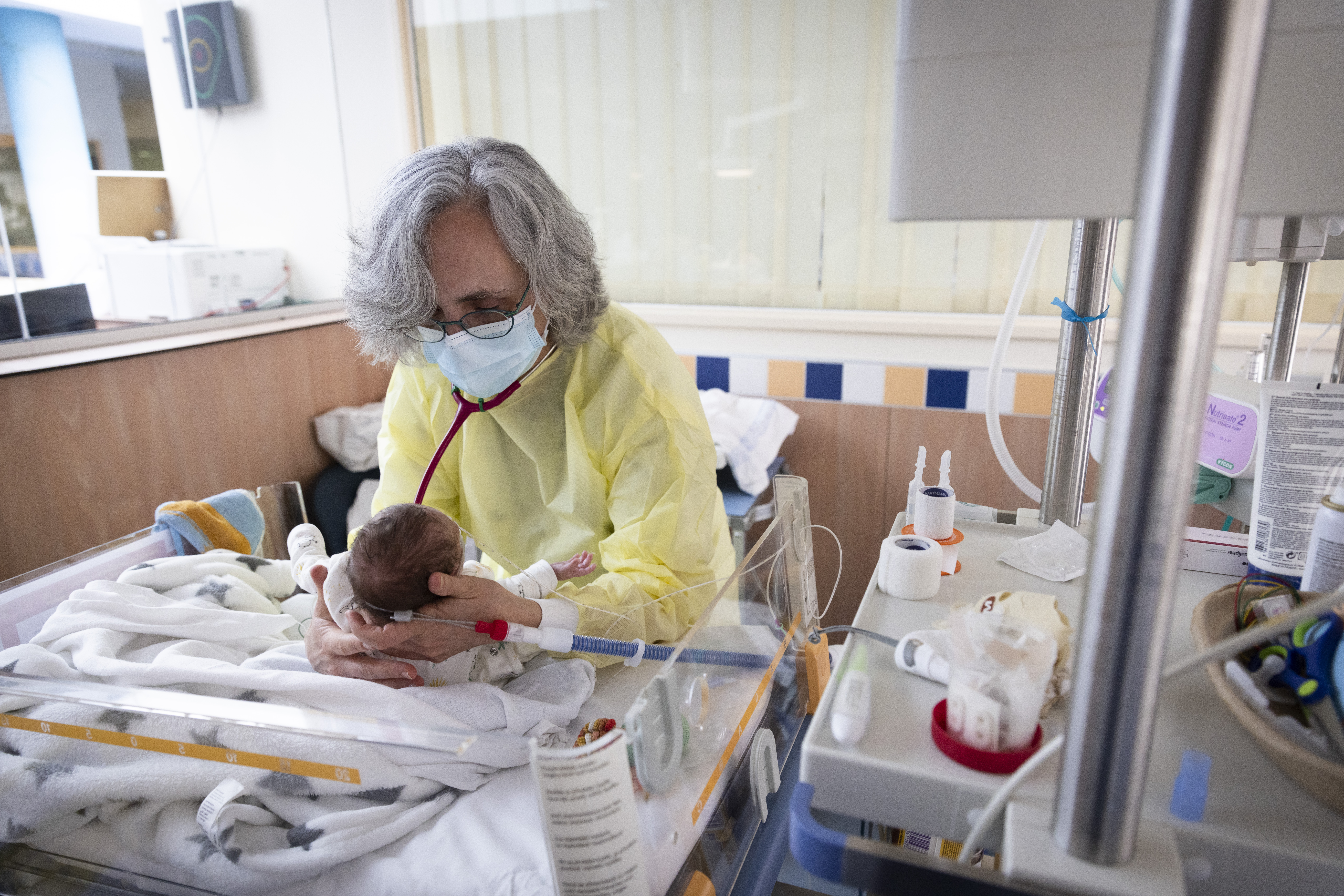
The environment remains fully medicalised, with oxygen, CPAP and central catheters among the equipment available, but the layout is designed to better preserve privacy. The aim is to reduce the potentially anxiety-provoking technical aspects, foster early bonding, support breastfeeding and, above all, involve parents in care so that they can better understand their child’s situation and gradually acquire the independence needed for returning home. The opening of the new unit in 2005, with architecture that provided more space for families while retaining the areas required for close monitoring, marked a further step in this development.
Parents now partners in care
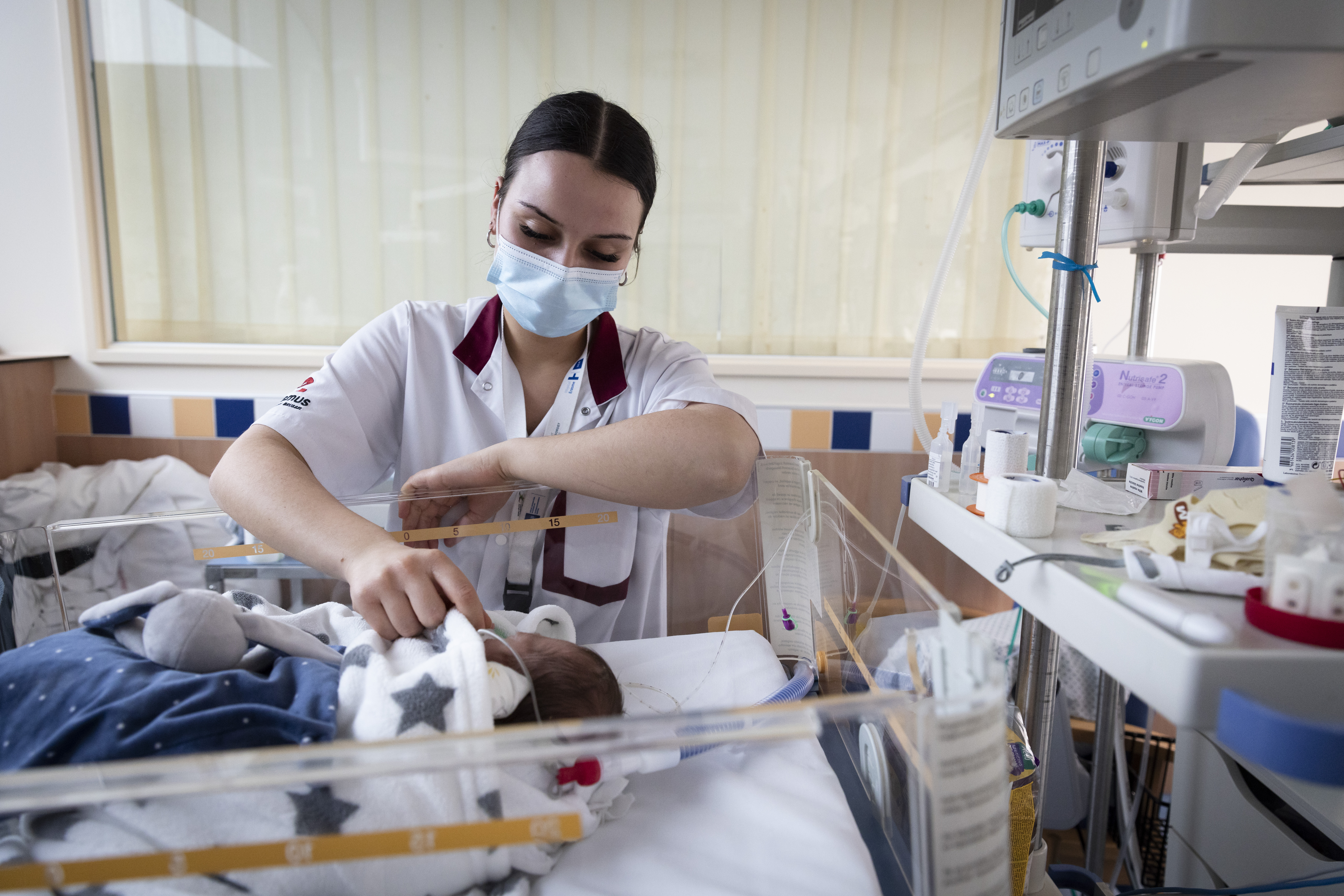
Twenty years later, this philosophy has become widely established. Parents are no longer regarded as mere visitors, but as genuine partners of the teams. When the child’s condition allows, they can participate in bathing, positioning, feeding and various everyday activities. Skin-to-skin contact plays an important role, including for very fragile children, while breastfeeding is supported by the teams and the milk bank.
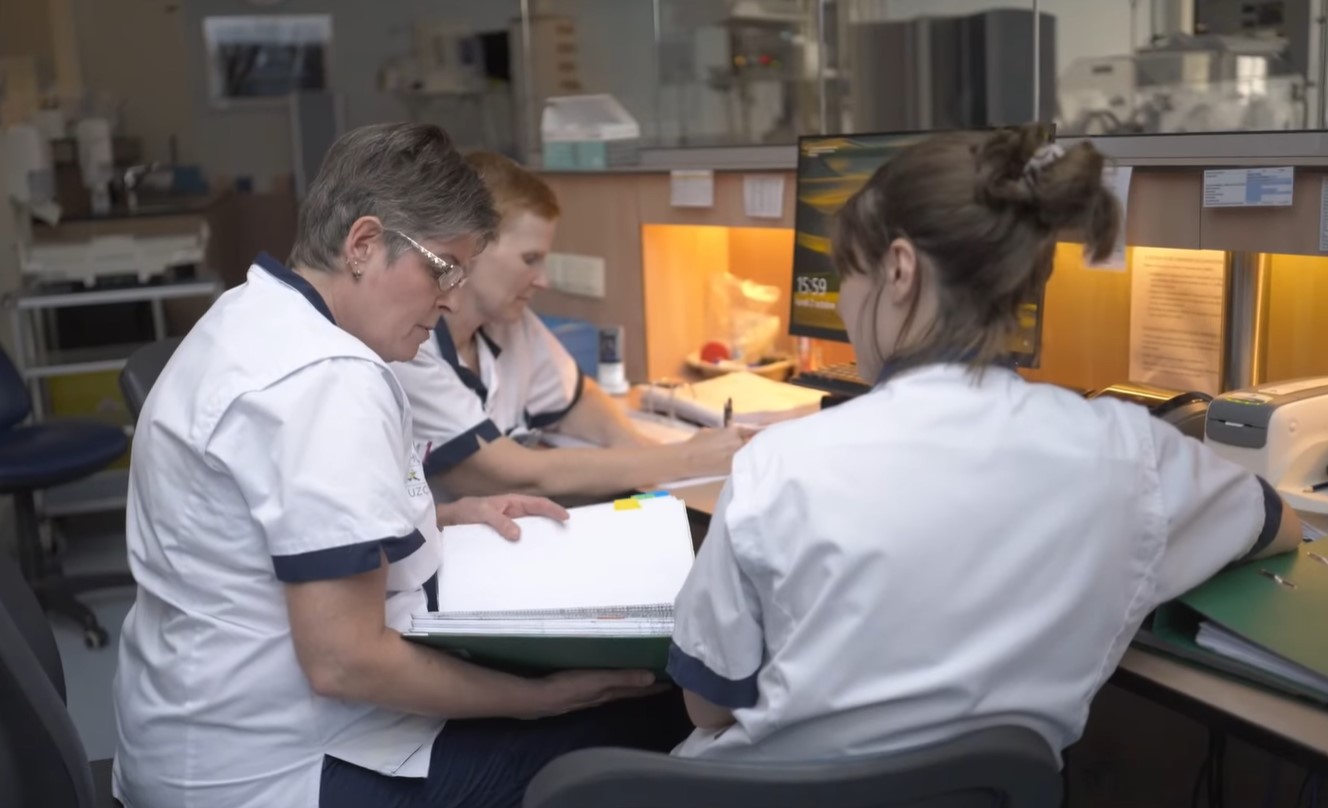
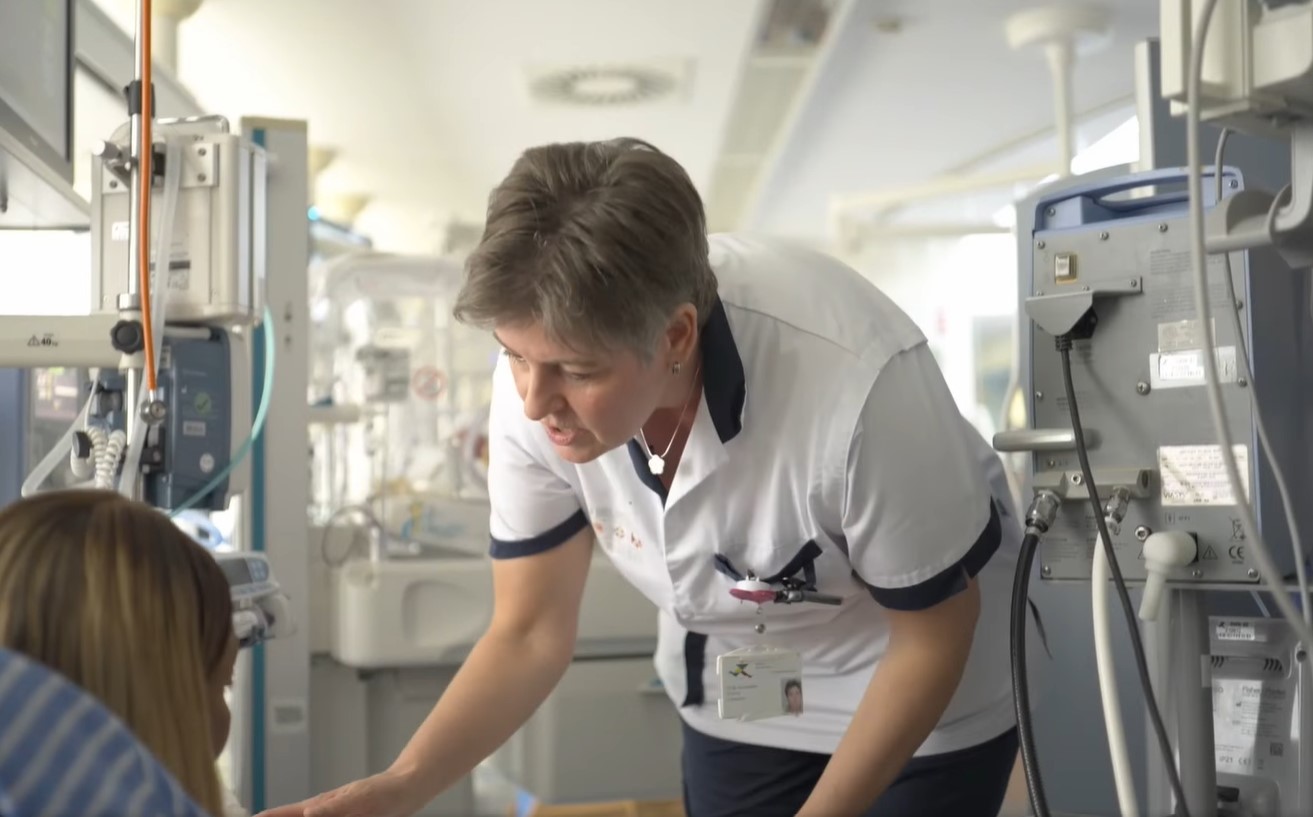
Nurses play an essential role in this development. They support families on a daily basis, explain procedures, help parents interpret their child’s reactions and gradually enable them to gain confidence. This parental presence is not merely a matter of comfort: it contributes to the development of the bond, the newborn’s development and preparation for returning home.
This transformation probably sums up one of the most important changes of the past forty years. Technology has become infinitely more sophisticated, but at the same time, care has sought to bring babies closer to the people around them.
An entire hospital around the newborn
From the outset, HUDERF’s neonatology department has benefited from a particular feature linked to the very design of the Children’s Hospital: the presence of numerous paediatric specialties on a single site.
A hospitalised newborn may have congenital heart disease, a digestive malformation, a neurological or metabolic disease, a genetic abnormality or may require complex surgery. Their care may therefore bring together neonatologists, cardiologists, paediatric or cardiac surgeons, neurologists, geneticists, pulmonologists, radiologists, anaesthetists, nutritionists, physiotherapists, psychologists and social workers. This concentration of expertise makes it possible to address the child in the full complexity of their situation rather than treating each problem separately.
Multidisciplinary care has itself evolved. It no longer necessarily begins when the newborn arrives in the department: when a malformation, condition or risk of extreme prematurity is identified during pregnancy, teams can now prepare for the birth together and anticipate the care that will be needed from the first minutes of life.


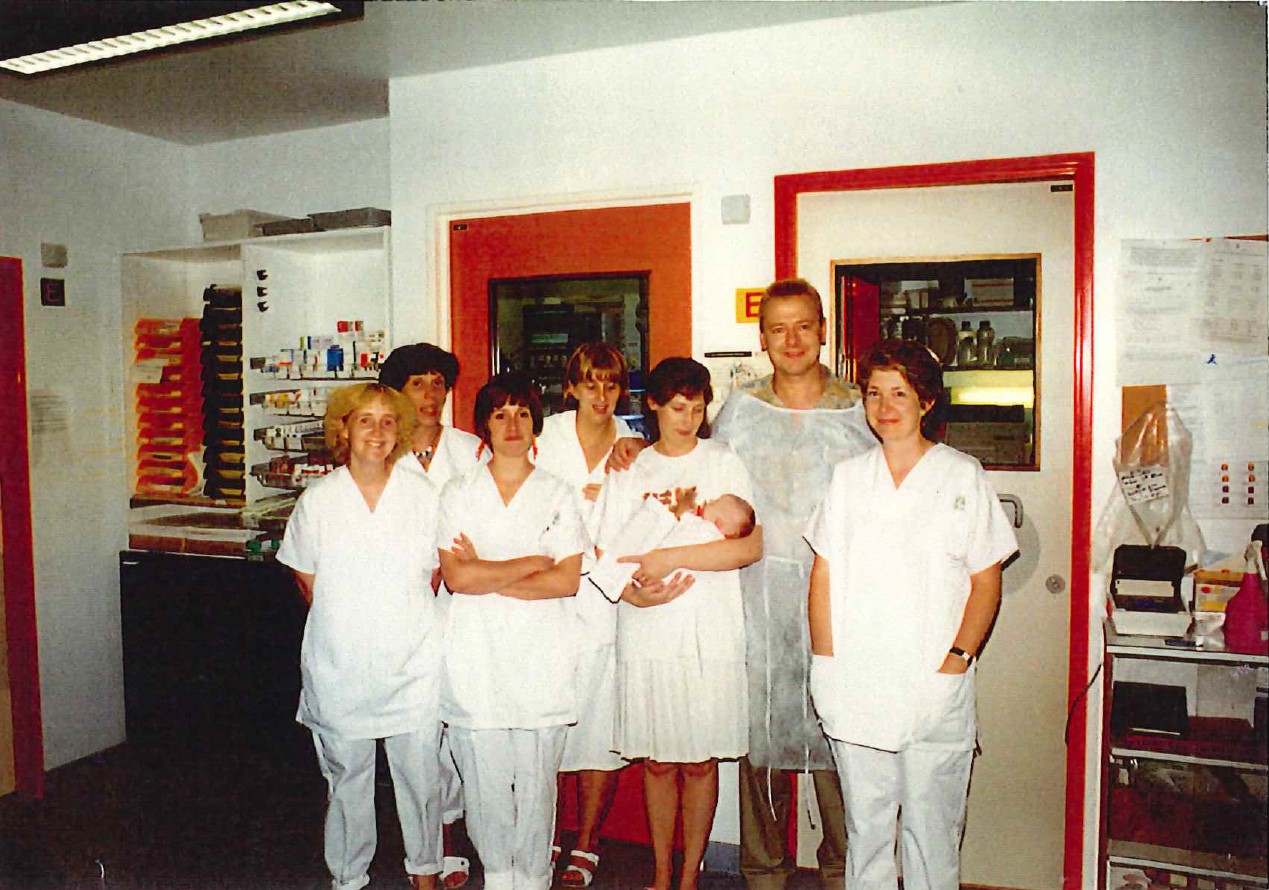
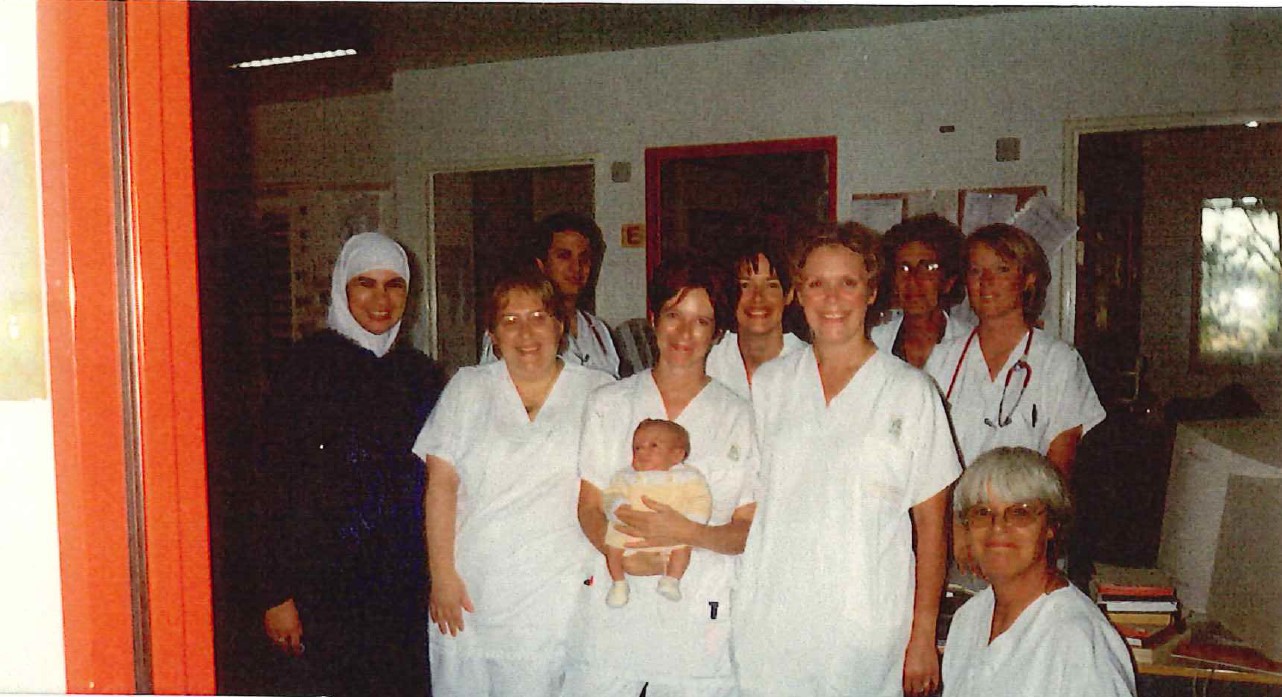
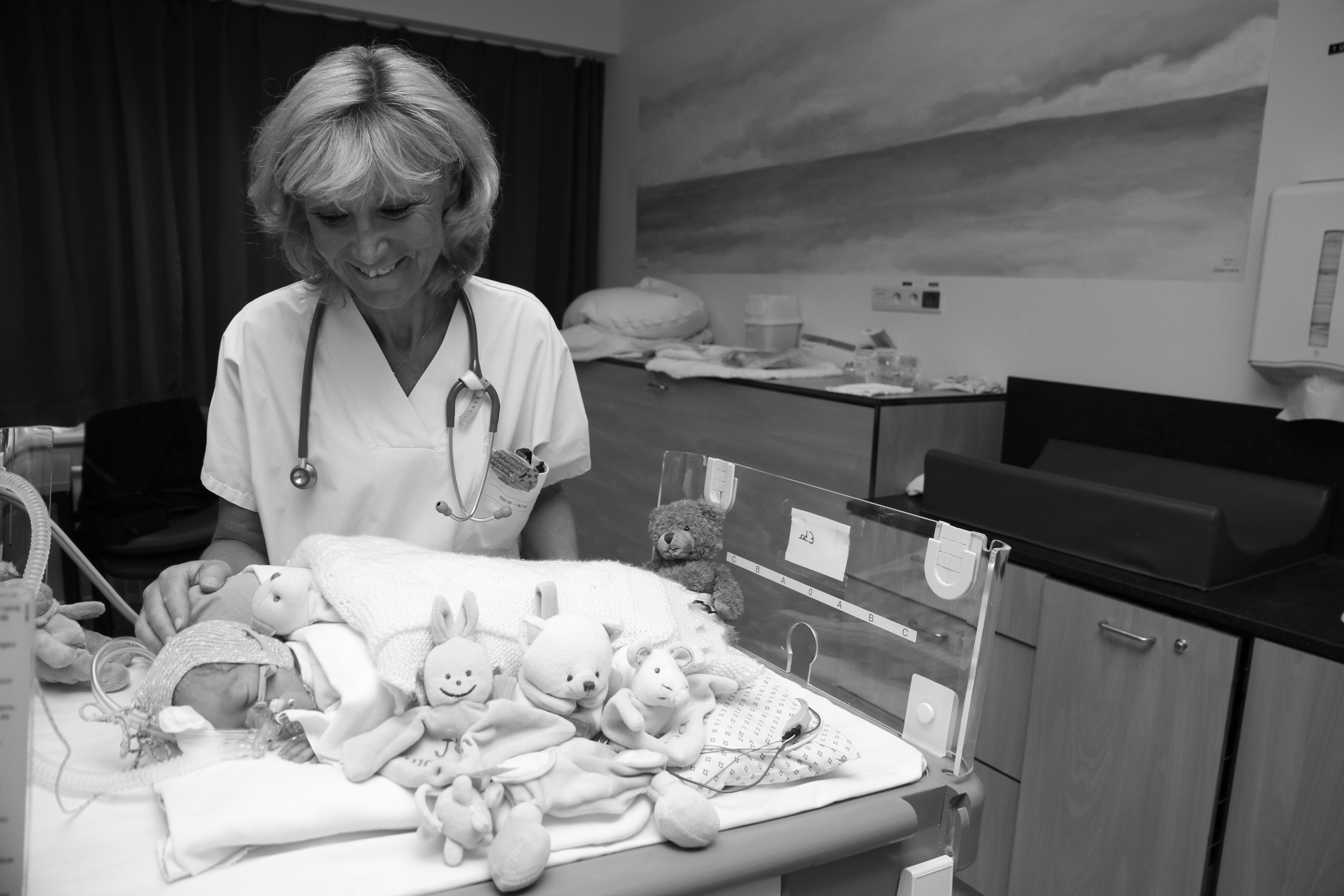
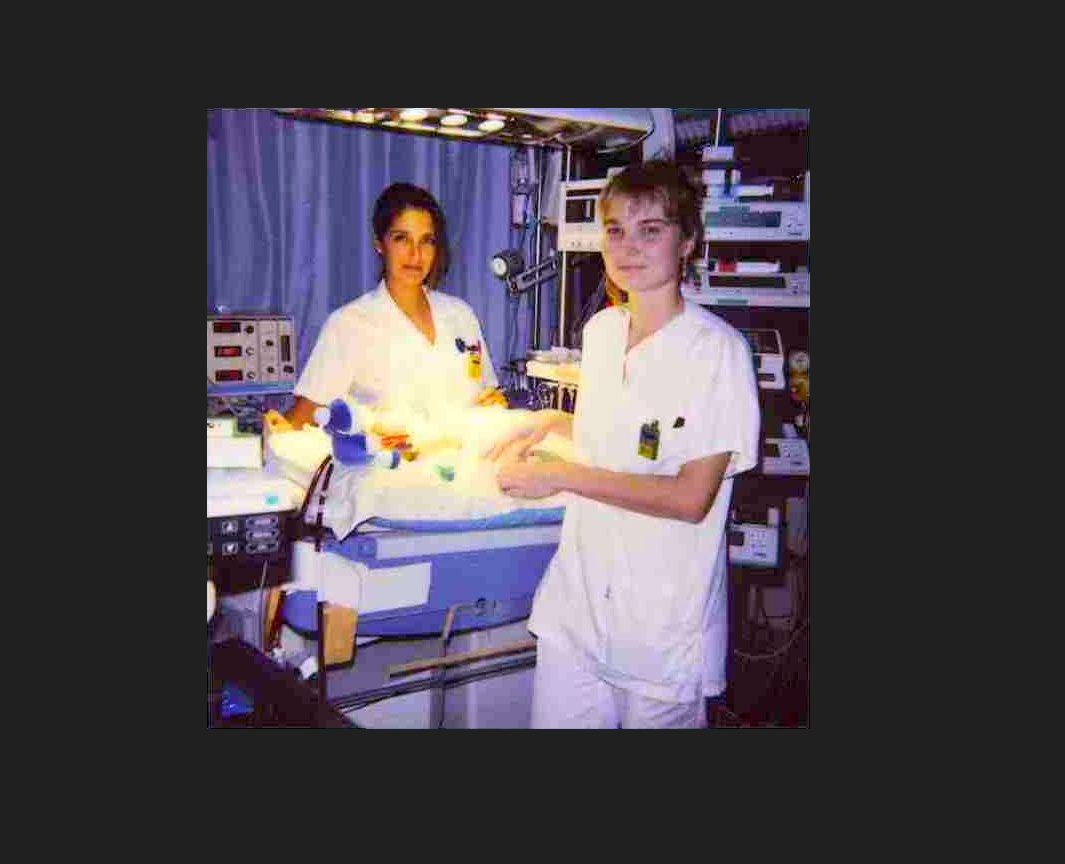


H.U.B: A Neonatology Department, shared expertise
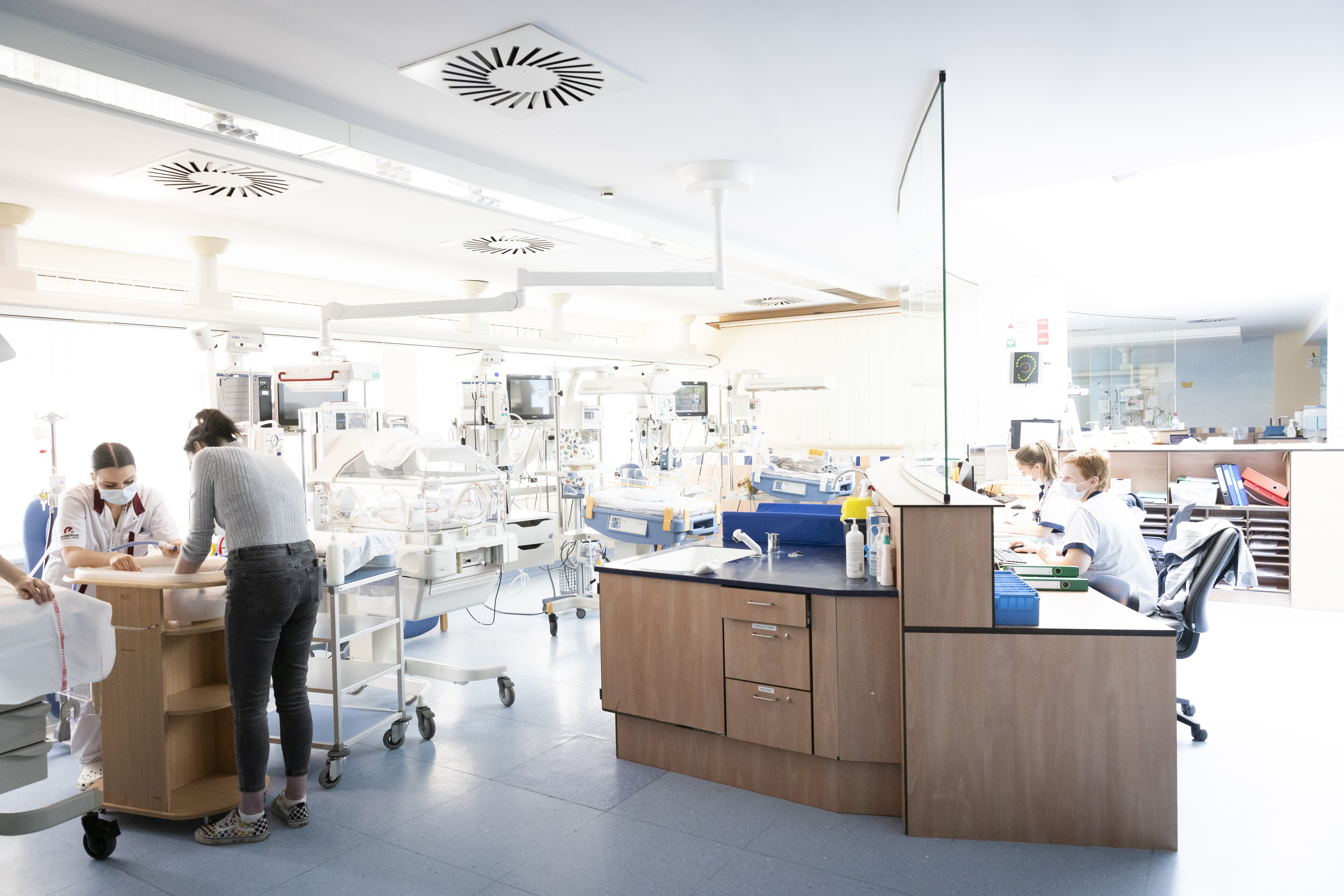
Today, the H.U.B Neonatology Department, headed by Professor Aline Vuckovic, brings together the teams from the Children’s Hospital and Erasme Hospital within a single department. This organisation enables the skills and expertise of both sites to be shared as part of a unified approach to caring for newborns and their families.
The complementarity of the two hospitals ensures continuity from the period preceding birth through to specialised paediatric care. When significant prematurity or a condition is identified during pregnancy, the neonatology teams can work with specialists in maternal and fetal medicine and obstetrics. After birth, newborns who need it benefit from the highly specialised paediatric environment of the Children’s Hospital and its many medical and surgical areas of expertise.
One department, complementary expertise and a shared objective: to provide consistent care tailored to the needs of each newborn before, during and after birth.
Supporting the child well after returning home
Another major transformation concerns the period after hospitalisation. For a long time, the main indicator of success in neonatology was naturally the child’s survival and discharge from hospital. Today, attention is also focused on the child’s long-term development.
The H.U.B is a reference centre for the neurodevelopmental follow-up of children born very prematurely, particularly before 32 weeks of pregnancy or with a birth weight below 1.5 kg. Their development can be monitored in a structured manner until the age of 5, using an approach that includes medical and neurodevelopmental assessments, physiotherapy and family support. The aim is to detect any motor, cognitive or behavioural difficulties as early as possible, so that the necessary interventions can be provided promptly.
For some newborns who still require specific care, a liaison team also helps prepare and support the return home. Here too, the change in perspective is considerable: the role of neonatology no longer ends at the department’s doors.
Continuing to bring children and their parents closer together
The coming years will bring new diagnostic and therapeutic possibilities, but one of the major challenges in neonatology is also deeply human: to further reduce the separation between newborns and their parents.
The concept of “zero separation” ultimately extends an evolution that began several decades ago. The aim is to enable families to remain with their child as much as possible, including when the child requires intensive care, and to involve parents increasingly in their child’s daily life. In some situations, care can already be provided while keeping the baby in contact with a parent. This evolution also raises questions about how departments are organised and how care spaces of the future will be designed.
New technologies will undoubtedly continue to expand the possibilities of medicine and, with them, raise new medical and ethical questions. However, developments over the past four decades show that progress in neonatology is no longer measured solely by the number of children who survive. It is also measured by their development, quality of life, the place given to their parents and the way families are supported long after the first weeks.
Over forty years, neonatology at HUDERF has undergone profound changes, driven by medical advances, a better understanding of newborns’ needs and the increasingly important role given to parents. This evolution continues today with the same ambition: to give every child, from their earliest moments of life, the best possible conditions in which to grow and develop.
Neonatology | Queen Fabiola Children’s University Hospital
For further information – A selection of scientific publications:
- Physiological clamping of the umbilical cord to benefit from delayed clamping in the event of a difficult birth
- Skin-to-skin transport of very low birth weight newborns from the delivery room
- Home ventilation for pulmonary sequelae of prematurity
Parental participation in developmental care (2022)
Parental participation: essential for developmental care but challenging in neonatal wards
Authors: Clara Young, Aline Vuckovic and colleagues.
Highly relevant to the sections on the role of parents, developmental care and the evolution of the philosophy of care.
Pain in newborns (2005)
Pain in newborns: between reality and perception
Authors: Pierre Smeesters, Ann-Britt Johansson, Denise Blum and colleagues.
An interesting historical reference on addressing pain in hospitalised newborns.
Non-invasive ventilation and prematurity (2025–2026)
Rising rates of non-invasive ventilation and bronchopulmonary dysplasia: A propensity score-matched analysis
Authors: Emilie Goffinon, Dominique Badr, Nicolas Lefèvre, Aline Vuckovic.
A study involving 593 children born before 32 weeks, particularly relevant to the section on respiratory advances.
Sleep in premature infants (2021)
Sleep of the prematurely born infant
Authors: Sonia Scaillet, Aline Vuckovic and colleagues.
Useful for illustrating the importance of sleep and neurological development in premature infants.