

Specialist educators at the Children’s Hospital: “Illness must not take up all the space”
For 40 years, specialised educators have safeguarded childhood at the heart of the Children’s Hospital
When a child is admitted to hospital, their life changes abruptly. Medical care structures their days, familiar reference points disappear, and the illness can quickly take over. Yet a hospitalised child is, first and foremost, still a child. They need to play, understand what is happening to them, maintain relationships, express their emotions and continue to grow.
This conviction has been at the heart of the Queen Fabiola Children’s University Hospital (HUDERF) since it opened in 1986. Alongside doctors, nurses, psychologists, teachers and other professionals, the “specialist educators” have held a unique position there for forty years: bringing “everyday life” into the hospital and preserving childhood, even when illness turns everything upside down.


1986: envisioning a child-friendly hospital
When HUDERF opened, it embodied a new ambition: to create a hospital designed entirely around children. The environment, rooms, play areas and the importance given to parents already reflected a different approach to hospitalisation. Treating an illness is not enough: the child’s development, emotions, need to play and relationships with their family must also be taken into account.
Within this approach, educators naturally found their place. In the 1980s, when hospital stays could last several weeks or even months, their presence helped maintain a sense of everyday life. Creative workshops, games, activities, discussions and shared moments: the hospital once again became a place where children could laugh, draw, imagine and simply be children.
As paediatrics changes, the profession evolves
Over the past forty years, paediatric medicine has undergone profound change. Treatments have become more effective, hospital stays are often shorter and the chances of survival for many diseases have improved considerably. Children with cancer, rare metabolic diseases or complex neurological conditions can now grow up with an illness that, in the past, might have offered little prospect of a future.
These advances have also transformed the work of educators. Their role is no longer limited to offering activities during a hospital stay: they accompany children throughout their care journey, help them maintain their bearings and independence, support their development and enable them to remain themselves beyond their status as patients. The question is no longer simply how to occupy time in hospital, but how to continue growing despite illness.
Understanding in order to be less afraid
This evolution is particularly evident in the preparation for medical procedures. A blood test, an MRI scan, a puncture or surgery can be difficult for a child to understand and may seem intimidating. Faced with the unknown, educators have a particularly powerful tool at their disposal: play.
Dolls, drawings, stories, adapted equipment and role-play activities help explain what will happen using words and actions that are accessible to the child’s age. The medical world gradually becomes easier to understand: children can ask questions, express their fears and prepare for what they are going to experience. This preparation helps reduce stress, encourages cooperation during care and, above all, makes the child a true participant in their care journey.
A different perspective on the child
The strength of the specialised educator also lies in the distinctive place they occupy within the multidisciplinary team.
“Our educational expertise enables us to identify the child’s needs, adapt our support and recognise certain changes in their behaviour.”
Julie Pierre, specialised educator


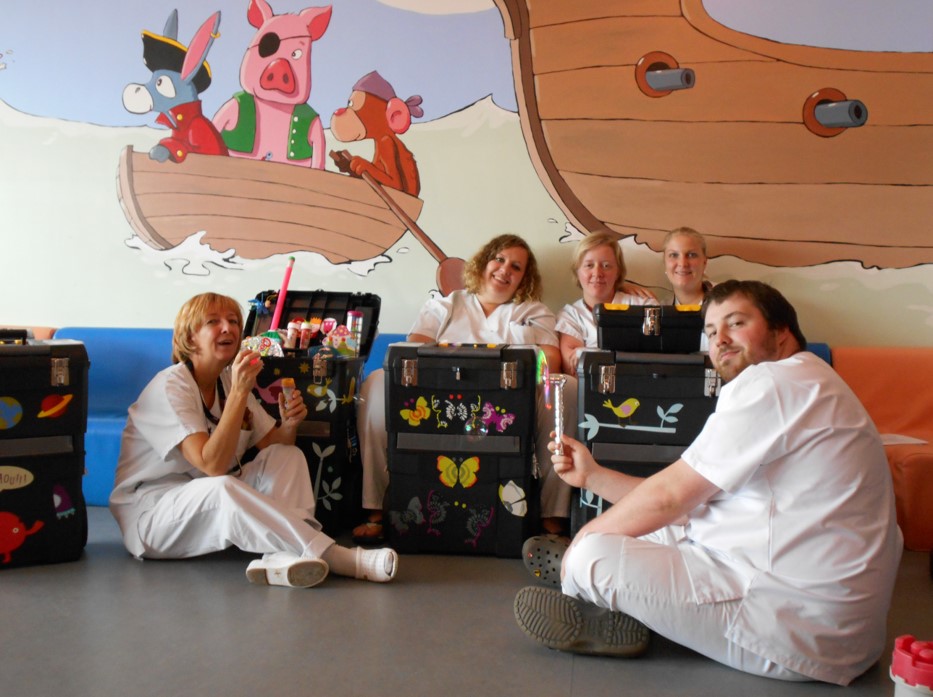
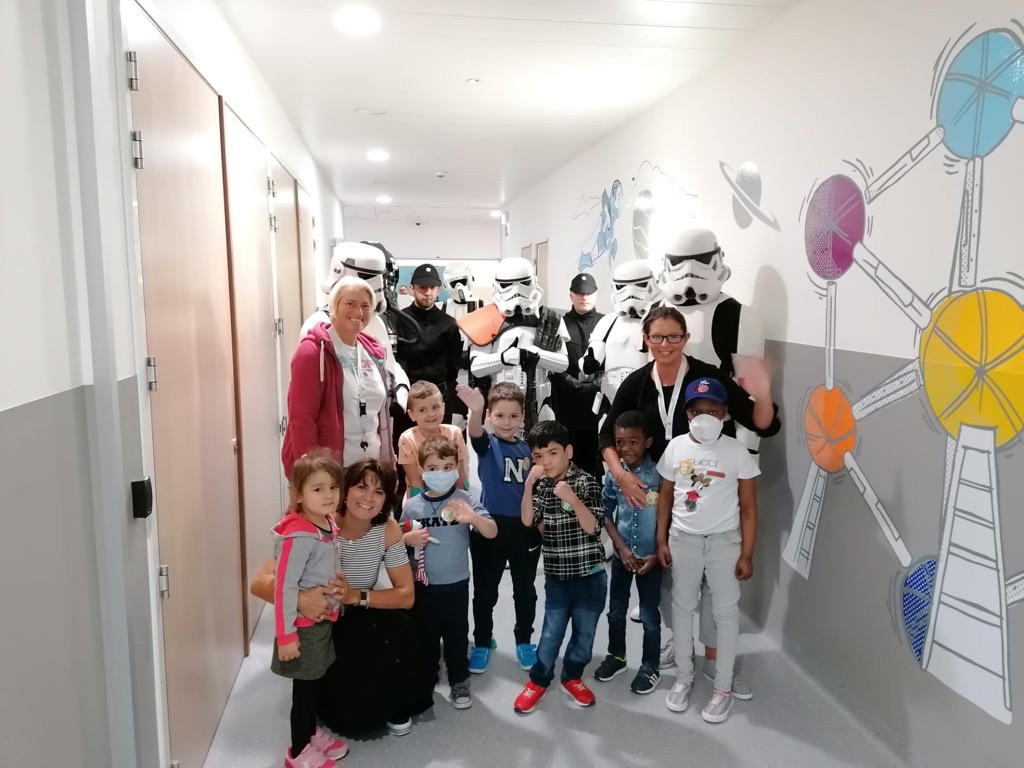
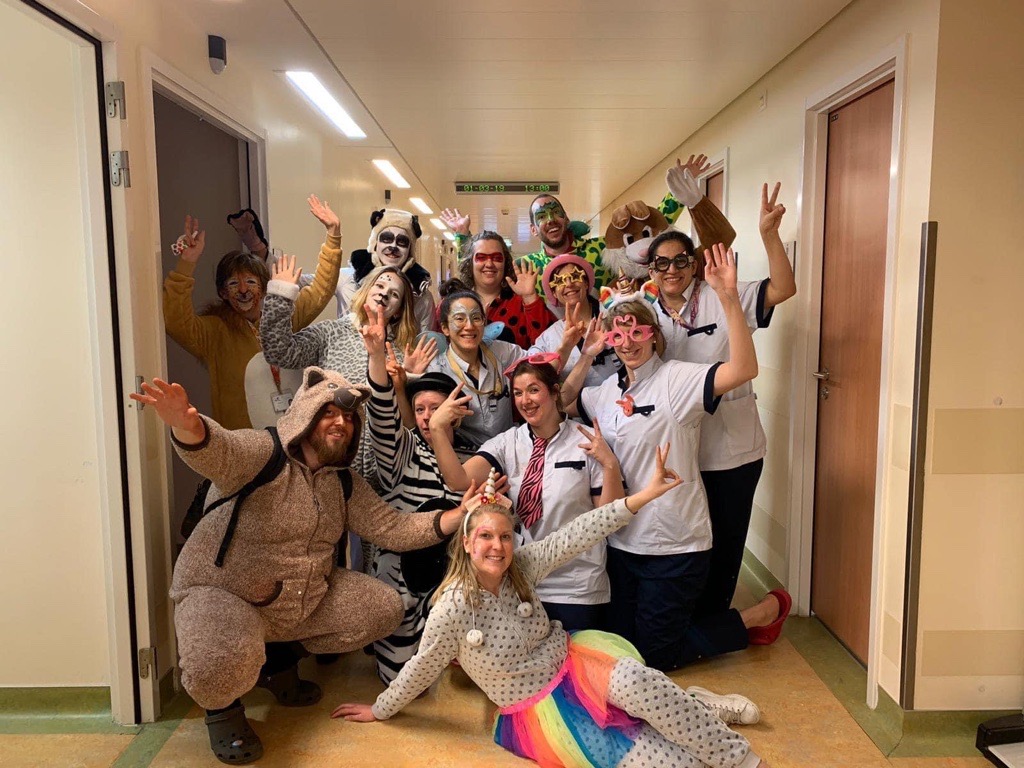
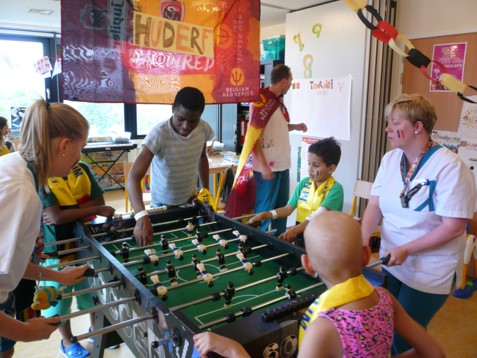
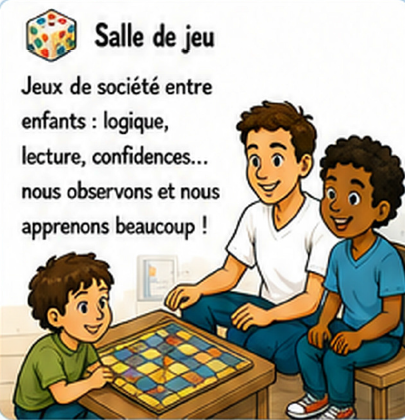
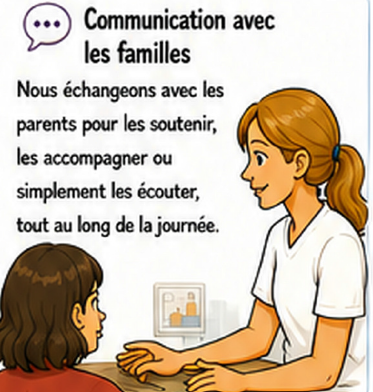
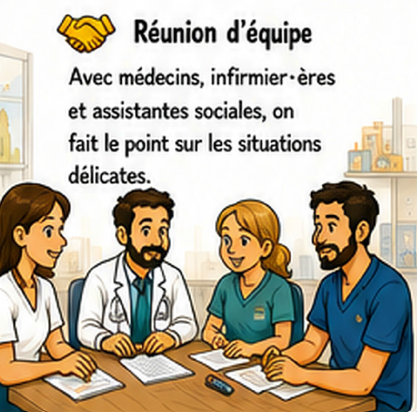
This expertise, based on observation, relationships and knowledge of child development, complements that of doctors, nurses, psychologists, teachers and therapists. In particular, it makes it possible to identify a child who no longer plays, withdraws, loses their bearings or otherwise expresses a concern that they are unable to put into words.
This presence is also important for parents. Hospitalisation disrupts the entire family, and familiar reference points can quickly disappear. Maintaining an activity or a routine, setting aside time for play or simply offering the child a space different from the care environment helps preserve some normality during a period that is no longer normal.
New children, new challenges
The needs of young patients have also evolved. Neurodevelopmental disorders are now identified more frequently, and teams increasingly support children with autism spectrum disorder, ADHD, relationship difficulties or mental health concerns. Educational practices must therefore constantly adapt to each child’s abilities, sensory needs, development and way of communicating.
At the same time, screens have profoundly transformed leisure activities and habits. They can provide welcome distraction during a hospital stay, but they cannot replace play, creativity or, above all, human relationships. The ability to adapt to changes in childhood while preserving connection is one of the profession’s major challenges today.
The more technological the hospital becomes, the more important the human dimension is
Over the past forty years, HUDERF has undergone considerable transformation. Imaging has become more precise, treatments more sophisticated and technology has assumed an increasingly important role in care. Yet some of children’s fundamental needs have not changed: to be reassured, to play, to understand, to create, to be listened to, to maintain relationships and to continue developing.
This is precisely where the role of the educator retains all its strength.
“No technology can replace a relationship, and no medical progress means we can stop looking at the child beyond their illness.”
Thomas Harckmans, specialist educator
40 years of preserving childhood
Since 1986, several generations of specialist educators have supported thousands of children and families at the Children’s Hospital. They have witnessed changes in the buildings, treatments, technologies, hospital stays and young patients’ needs. Their profession has become more structured and adapted to increasingly complex paediatric care, but its essence has remained remarkably constant: making sure that illness never takes up all the space.
Because caring for a child is not only about treating their body. It also means enabling them, as far as possible, to continue playing, learning, creating, dreaming and growing. For forty years, that too has been the Children’s Hospital.
Comic strip: Experience the life of a specialist educator
To find out more: https://www.erudit.org/fr/revues/smq/1982-v7-n2-smq1203/030143ar/